
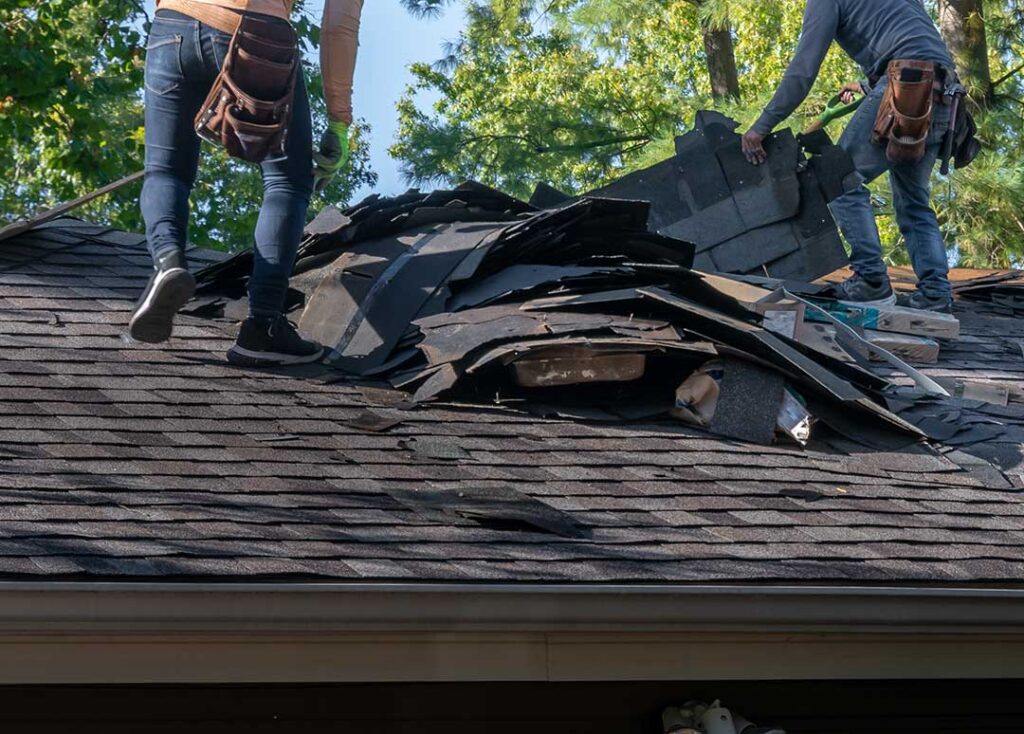
Roof repairs can range from replacing a few missing shingles to correcting leaks around chimneys, vents, skylights, or roof edges. Choosing the right roofing company requires more than comparing prices. A reliable decision depends on licensing and insurance, repair experience, written documentation, safety practices, and a clear understanding of what caused the damage.
What should residents look for first?
Start by confirming that the company is established, properly insured, and experienced with the type of roof involved. A company that mainly installs new roofs may not approach small or complicated repairs in the same way as a contractor who regularly diagnoses leaks and performs targeted repairs.
Ask for:
- Proof of general liability insurance
- Workers’ compensation coverage for employees
- A written business name and physical contact information
- References for similar repair work
- A clear explanation of the proposed repair
- A written description of labor, materials, and warranty terms
Insurance matters because roofing work involves ladders, steep surfaces, tools, and falling materials. If a worker is injured or property is damaged, unclear insurance arrangements can create problems for the homeowner.
How can a homeowner tell whether a roof problem has been properly diagnosed?
A trustworthy roofer should inspect more than the spot where water appeared inside the house. Roof leaks often travel along rafters, roof decking, insulation, or interior framing before becoming visible on a ceiling or wall.
The inspection should consider:
- Shingles, underlayment, and flashing
- Valleys where roof sections meet
- Areas around chimneys, plumbing vents, and skylights
- Drip edges and roof-to-wall transitions
- Gutters and downspouts
- Signs of wind damage, ice buildup, or aging materials
- Attic ventilation and moisture conditions
A ceiling stain does not always indicate that the roof surface directly above it is failing. For example, water entering around flashing may move several feet before appearing indoors. A repair recommendation should explain the likely entry point and why the proposed work addresses it.
Be cautious if a company recommends extensive replacement without showing visible damage or explaining how the existing roof is contributing to the problem. The opposite is also true: repeatedly sealing the same area may not be a lasting solution if the underlying flashing, decking, or ventilation problem remains.
Should the company inspect the attic?
For many leaks, attic access is useful and sometimes necessary. An attic inspection can reveal wet insulation, darkened wood, mold-like growth, daylight through roof gaps, or frost-related moisture. It may also show whether condensation is being mistaken for a roof leak.
In a climate with snow, freezing temperatures, and seasonal temperature swings, attic ventilation and insulation deserve attention. Warm, moist air from the living space can condense beneath a cold roof deck. Poor ventilation may also contribute to ice formation along the eaves, which can force water beneath roofing materials.
A roofing company does not need to make unrelated recommendations, but it should identify conditions that could cause a repaired area to fail again. If the problem involves indoor humidity, insulation, or structural damage, additional building expertise may be needed.
How many repair quotes are reasonable?
Two or three written opinions are usually enough to compare the diagnosis, scope of work, materials, and price. More quotes are not automatically better if each inspection is rushed or based only on photographs.
The lowest price may exclude important work such as replacing damaged flashing, removing wet materials, repairing roof decking, or hauling away debris. A higher price may reflect a broader repair, better access planning, or more durable materials. The key question is whether the price matches the documented scope.
Compare quotes line by line:
- Which areas will be repaired?
- Will damaged materials be removed or covered?
- Are flashing and underlayment included?
- Is roof decking priced separately if needed?
- Who obtains any required permits?
- Is cleanup included?
- What happens if hidden damage is discovered?
- How long is the workmanship warranty?
A written quote should identify what is included and what is not. Vague descriptions such as “fix leak” or “repair roof as needed” make it difficult to compare proposals or resolve disagreements later.
What questions should be asked before signing?
Before approving work, ask how long the repair is expected to take, how weather may affect the schedule, and what temporary protection will be used if rain or snow arrives before the work is complete.
Also ask:
- Will the same company supervise and perform the work?
- Are subcontractors involved?
- What materials will be used?
- Will the repair match the existing roof as closely as practical?
- How will landscaping, siding, windows, and outdoor property be protected?
- How will loose nails and roofing debris be removed?
- What payment is due before work begins?
- Is there a written contract with cancellation and warranty terms?
A large deposit deserves careful explanation, particularly for a small repair. Payment arrangements should be written clearly, and homeowners should avoid signing documents with blank sections or unexplained language.
Are permits or local rules relevant to roof repairs?
Some roofing work may require permits or inspections, especially when repairs involve structural components, roof sheathing, major alterations, or changes to the building. Requirements can vary according to the type and extent of the work.
The company should explain whether a permit may be needed and who is responsible for checking local requirements. Homeowners should not assume that a repair is permit-free simply because it involves only part of the roof. If a contractor avoids answering basic questions about compliance, that is a reason to pause.
Insurance records, contracts, and permit documents should be kept with other home-maintenance records. They may be useful for future repairs, insurance questions, or property transactions.
What warning signs suggest a roofing company should be avoided?
Several warning signs deserve attention:
- Pressure to sign immediately
- Requests for full payment before work starts
- Refusal to provide insurance information
- A diagnosis based only on a distant view or interior stain
- No written scope of work
- Unusually low pricing with few details
- Claims that insurance will definitely pay for the repair
- Unmarked vehicles and unclear business identification
- Repeated requests for cash without receipts
- Recommendations for a complete replacement without evidence of widespread failure
A legitimate company may be busy after a storm, but urgency should not replace documentation. Storm damage can be reported promptly without agreeing to the first proposal offered.
How should storm or winter damage be handled?
After strong wind, heavy snow, or ice, inspect from the ground rather than climbing onto the roof. Look for missing shingles, displaced metal, sagging areas, damaged gutters, and debris. Inside the home, check ceilings and attic spaces for new moisture.
If water is entering, place containers under drips and move furnishings away from the affected area. Do not climb onto a wet, icy, or damaged roof. Temporary covering may be appropriate in an emergency, but it should be installed safely and followed by a complete inspection.
Photographs taken from the ground and indoors can help document the condition. Insurance decisions should be based on the policy and the actual damage, not on promises that a contractor can guarantee coverage.
What does a good final repair look like?
A completed repair should leave the area weather-tight, securely fastened, reasonably matched to the surrounding roof, and free of loose debris. The homeowner should receive any applicable warranty information, material details, permit records, and photographs of concealed work when practical.
Before making final payment, review the repaired area from the ground and check the attic after the next significant rainfall. A repair cannot always be judged immediately, but clear documentation makes follow-up easier if a problem returns.
The right roofing company is not necessarily the one with the fastest availability or lowest quote. For households in Greene, careful diagnosis, written expectations, safe work practices, and honest communication provide a more dependable basis for choosing repair services.
