
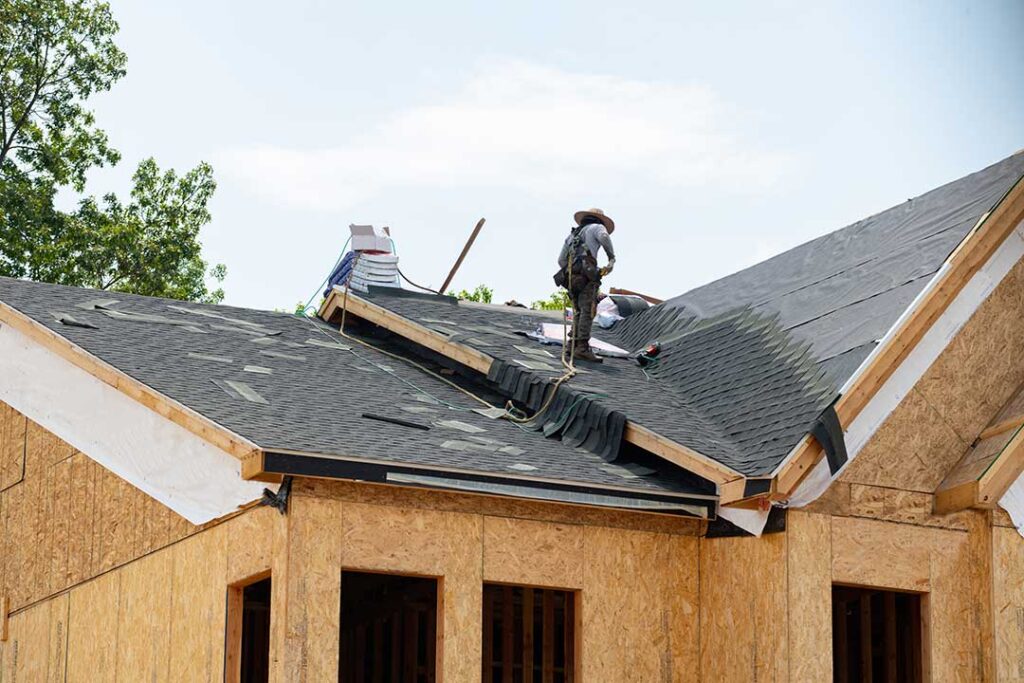
What do building codes control on a roof?
Building codes set minimum safety requirements for roof design, installation, repair, replacement, and structural performance. In Greene, NY, these requirements are part of the New York State Uniform Fire Prevention and Building Code and are administered locally through the appropriate code enforcement office.
A roof is more than its visible shingles or metal panels. Code requirements may apply to:
- Structural framing and the roof deck
- Snow, wind, and rain loads
- Underlayment and flashing
- Ice dam protection
- Roof ventilation
- Fire resistance
- Drainage and water management
- Safe construction practices
- Permits and required inspections
The purpose is not to dictate every appearance or material choice. The purpose is to ensure that roof work does not create avoidable risks for the people inside the building, neighboring properties, or future owners.
Why are local requirements especially relevant in Greene?
New York has statewide building codes, but local enforcement still matters because the building official must evaluate work within a specific municipal jurisdiction. A property may fall under the Town of Greene or the Village of Greene, and the responsible office depends on where the property is legally located.
This distinction matters because mailing addresses do not always match municipal boundaries. Some properties associated with a Greene mailing address may be governed by a different local authority. Before work begins, the property owner should confirm which code enforcement office has jurisdiction.
Local review also helps account for conditions common to the area, including winter snow, freeze-and-thaw cycles, wind exposure, older housing, additions built at different times, and roof designs that may collect drifting snow. A roof that appears simple from the ground can have complicated load paths, valleys, dormers, or lower sections where snow and ice accumulate.
Is a permit required to replace a roof?
For a full roof replacement or roof recover, a permit is generally required in Greene. The local code enforcement office specifically identifies roof replacement and roof recover work as activities requiring approval before work starts.
A roof replacement usually means removing the existing roof covering and installing a new system. A roof recover generally means installing a new roof covering over an existing one when the code permits that approach. Both can affect the building’s weather protection, fire safety, weight, and long-term performance.
Small repairs may be treated differently from a full replacement. Replacing a limited damaged area, sealing a minor leak, or repairing isolated flashing is not necessarily the same as reroofing an entire structure. The deciding factor is the scope of work and the applicable code provisions. When the project falls between a repair and a replacement, asking the local code office before work begins is safer than assuming no permit is needed.
Starting covered work without approval can lead to enforcement action, penalties, or a stop-work order. It can also create difficulties when a property is sold, refinanced, insured, or inspected later.
What does the code look at during roof replacement?
A permit review is not limited to the color or type of roof covering. It may address whether the proposed roof system is appropriate for the existing structure and whether the work will correct hidden problems rather than conceal them.
Important considerations can include:
Roof structure and deck condition
Old roofing can hide rotted sheathing, weakened rafters, altered framing, or previous water damage. If damaged materials are left in place, the new roof may look finished while the underlying structure remains unsafe.
Code-compliant work may require deteriorated components to be repaired or replaced. A roof deck also needs suitable fastening and support for the new covering.
Snow and wind resistance
Winter weather places repeated stress on roof systems. Snow load is not determined only by how much snow is visible at one moment. The design may also account for roof slope, drifting, exposure, building height, nearby roof sections, and uneven accumulation.
Wind resistance matters as well. Edge areas, corners, ridges, eaves, and areas around roof penetrations can experience stronger uplift forces than the middle of the roof. Proper fastening patterns and compatible materials help keep the covering attached during severe weather.
Ice dams and water intrusion
Freeze-and-thaw conditions can allow ice to form along eaves, especially when heat escapes into an attic and melts snow on the upper roof. Building code provisions may require underlayment or other protective measures in areas vulnerable to ice backup.
Flashing is equally important. Valleys, chimneys, skylights, plumbing vents, sidewalls, and roof-to-wall intersections need water-shedding details designed for the roof system. New shingles or panels cannot compensate for poorly designed flashing.
Ventilation and insulation
A roof assembly needs a suitable balance of insulation, air sealing, and ventilation. Poor airflow can contribute to condensation, mold, premature deterioration of sheathing, and uneven winter melting.
Ventilation openings also need protection from snow, wind-driven rain, insects, and blockage. Adding vents without considering the attic’s overall airflow can produce little benefit and may create new problems.
Does a permit guarantee that a roof will last?
No. A permit confirms that the proposed work is subject to code review and that required inspections or documentation are part of the process. It does not guarantee workmanship, maintenance, material quality, or a particular service life.
Roof durability still depends on factors such as:
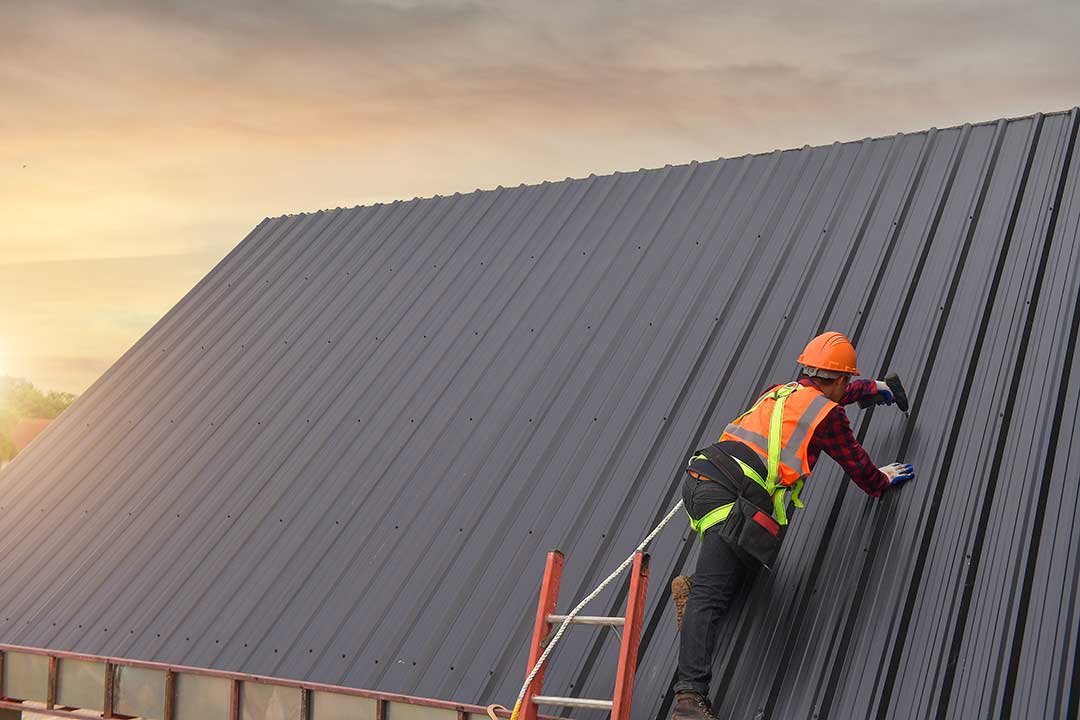
- Existing structural conditions
- Installation quality
- Proper flashing
- Adequate attic ventilation
- Drainage and gutter performance
- Tree exposure and falling branches
- Repeated ice and snow conditions
- Routine inspection and maintenance
A permit is therefore one part of responsible roof work, not a substitute for proper design and installation.
What should property owners ask before roof work begins?
Before signing a work agreement or allowing materials to be delivered, it is useful to clarify:
- Is the work a repair, roof replacement, or roof recover?
- Does the project require a building permit?
- Which municipal office has jurisdiction over the property?
- Will the existing roof covering be removed or left in place?
- How will damaged roof decking or framing be handled?
- What ice, water, wind, and snow protections are included?
- Are inspections required before the work is covered?
- Will permit documents and inspection records be retained?
These questions are especially useful for older homes, additions, garages, porches, and buildings with more than one roof level. A small-looking project may involve structural or drainage conditions that are not visible until the existing covering is removed.
Why do code records matter after the project is finished?
Permit and inspection records create a documented history of work on the property. That record can help future owners understand what was changed, when it was changed, and whether the work received municipal approval.
Missing records do not automatically mean that a roof is unsafe, but they can make later questions more difficult to answer. Unpermitted work may also need to be investigated or corrected before a sale, insurance review, addition, or major renovation.
For residents in the Town of Greene or Village of Greene, the appropriate code enforcement office can explain current permit requirements, jurisdiction, and inspection procedures. Because code editions and local administrative practices can change, confirmation before work starts is more reliable than relying on an old permit experience, a neighbor’s project, or a general roofing rule from another location.
