
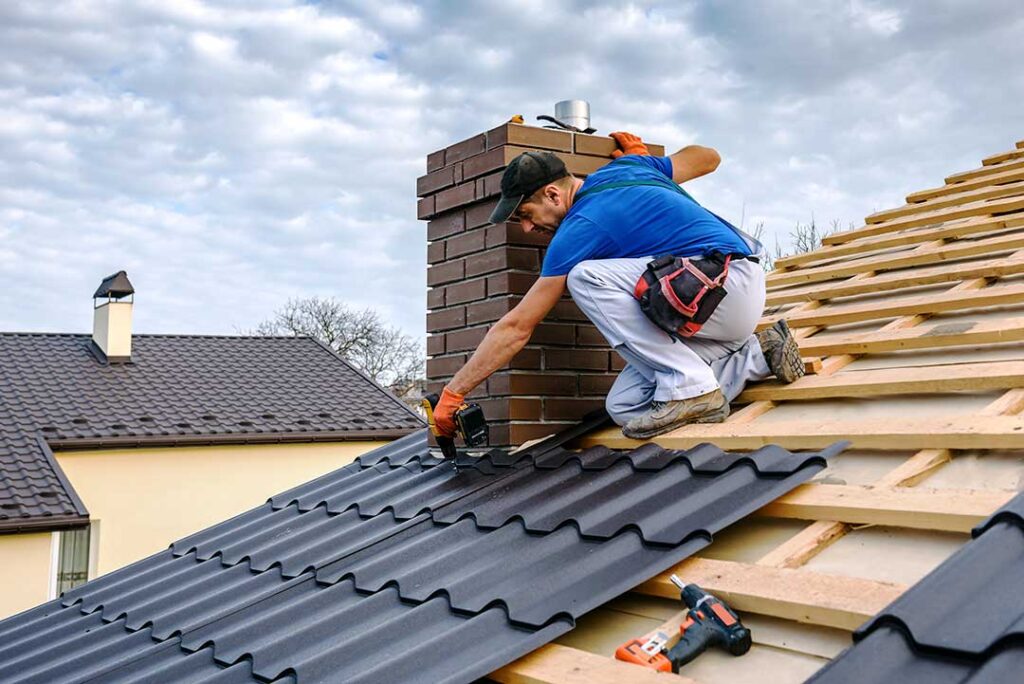
How long does a typical roof last?
A typical asphalt-shingle roof lasts about 15 to 25 years, although some roofs need major repairs sooner and others remain serviceable longer. The actual lifespan depends on the roofing material, installation quality, ventilation, maintenance, weather exposure, and the condition of the underlying roof structure.
For homeowners in Greene, NY, seasonal weather plays a meaningful role. Repeated freeze-thaw cycles, snow, ice, wind, summer heat, fallen branches, and moisture can gradually weaken roofing materials. A roof’s age provides a useful starting point, but visible condition and performance are just as important.
How long do different roofing materials last?
Roofing materials have different expected service lives. Approximate ranges include:
- Three-tab asphalt shingles: 15 to 20 years
- Architectural asphalt shingles: 20 to 30 years
- Wood shingles or shakes: 20 to 30 years with appropriate maintenance
- Metal roofing: 40 to 70 years, depending on the material and coating
- Slate roofing: 50 to more than 100 years
- Clay or concrete tile: 50 years or longer
These are general estimates rather than guarantees. A high-rated shingle can deteriorate prematurely if the attic is poorly ventilated, roof drainage is inadequate, or installation details allow water to enter around chimneys, valleys, skylights, and roof edges.
The material covering the roof is only one part of the system. Flashing, underlayment, ventilation, gutters, insulation, and the roof deck all affect how long the roof performs.
What shortens a roof’s life?
The most common causes of early roof failure are moisture, poor ventilation, storm damage, and deferred maintenance.
Moisture can enter through damaged shingles, exposed fasteners, deteriorated flashing, or areas where water collects. Once water reaches the roof deck or attic insulation, damage may continue even when the exterior appears mostly intact.
Poor attic ventilation can also reduce service life. During winter, warm air escaping into a cold attic may contribute to condensation and ice buildup. During summer, trapped heat can accelerate shingle aging and dry out roofing components. Adequate insulation and balanced intake and exhaust ventilation help control temperature and moisture.
Other factors that may shorten roof life include:
- Heavy or repeated snow loads
- Ice dams along the eaves
- Strong wind and missing shingles
- Overhanging branches and falling limbs
- Moss or organic growth that holds moisture
- Clogged gutters and blocked downspouts
- Foot traffic on brittle or aging shingles
- Improperly installed roof additions or equipment
- Previous repairs that did not address the source of a leak
A roof may also age unevenly. The side facing prevailing weather, the area beneath a tree, or a section near a roof valley may show problems before the rest of the roof.
How does Greene, NY weather affect roofing?
Cold winters and changing seasons can place repeated stress on roofing materials. Snow itself is not always damaging, but accumulated snow adds weight, and melting snow can refreeze at colder roof edges. This may create ice dams that push water beneath shingles and into the roof edge, attic, or upper walls.
Wind can lift or loosen shingles, particularly around roof perimeters and exposed ridges. Summer sunlight and heat gradually cause asphalt shingles to lose flexibility. Leaves, pine needles, and other debris may collect in valleys or behind roof features, slowing drainage and keeping surfaces damp.
Older homes may also have roof designs, attic layouts, or additions that complicate drainage and ventilation. A roof that has been covered with several layers of shingles may weigh more than the original structure was designed to carry and may conceal problems beneath the visible surface.
What are the signs that a roof is nearing the end of its life?
A roof may be approaching replacement age when several warning signs appear together. Age alone does not prove that a roof has failed, but an older roof deserves closer observation.
Common signs include:
- Shingles that are cracked, curled, blistered, loose, or missing
- Granules collecting in gutters or at the base of downspouts
- Dark streaks, moss, or persistent organic growth
- Sagging areas along the roofline or between rafters
- Daylight visible through the attic roof deck
- Damp insulation, stained decking, or musty attic odors
- Water marks on ceilings or upper walls
- Repeated leaks after rain, melting snow, or strong wind
- Flashing that is rusted, separated, or visibly damaged
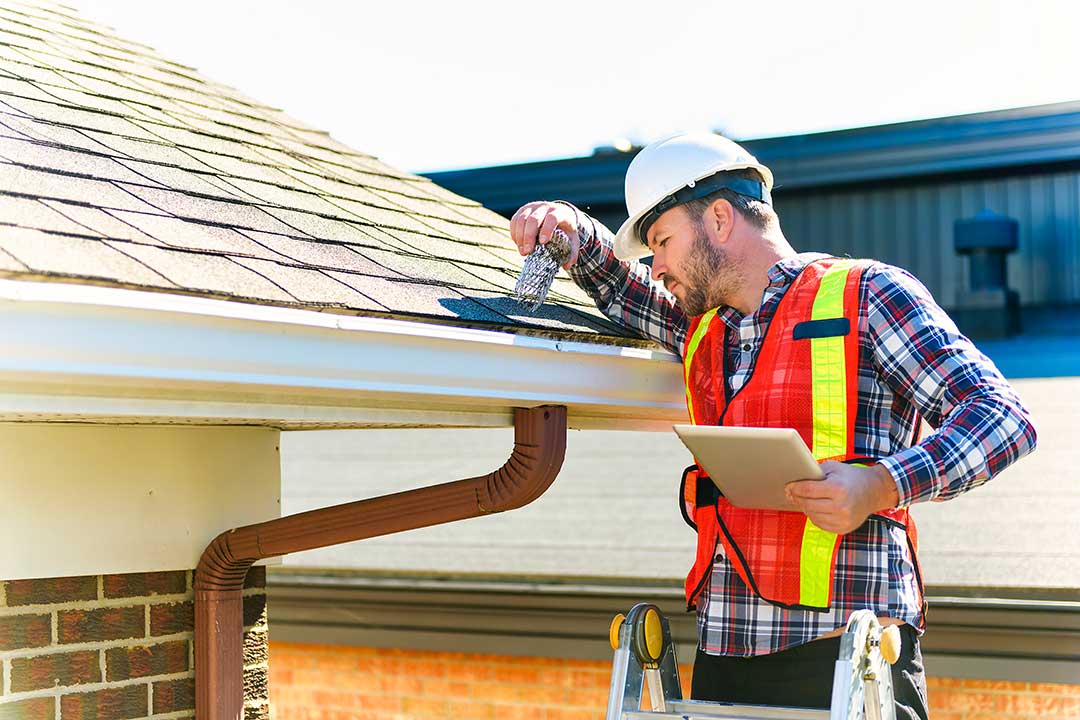
A single missing shingle may be a limited repair issue. Widespread granule loss, recurring leaks, sagging decking, or extensive deterioration usually indicates a broader problem.
Can a roof last longer with maintenance?
Routine observation and timely maintenance can help a roof reach its expected lifespan, but maintenance cannot make worn-out materials new again. The most useful steps are simple and preventive.
Keep gutters and downspouts clear so water can leave the roof efficiently. Trim branches that scrape against shingles or hang over the roof. After major windstorms, look from the ground for missing materials, lifted edges, or debris. In the attic, watch for dampness, staining, condensation, or changes in insulation.
Roof surfaces should not be walked on casually, especially when shingles are cold, brittle, wet, or aging. Snow removal from a roof can also create safety hazards and may damage shingles if performed improperly. Areas with heavy snow accumulation, ice buildup, or suspected structural stress require particular caution.
A periodic inspection is useful even when there is no active leak. Small defects around flashing or roof penetrations can allow water to enter long before a ceiling stain appears.
Should an older roof always be replaced?
No. An older roof does not automatically require replacement if the materials remain intact, the roof deck is sound, and water is draining properly. Some roofs continue performing well beyond their expected range, while others develop serious problems earlier because of storm damage, ventilation issues, or installation defects.
Replacement becomes more likely when deterioration is widespread, repairs are frequent, water has damaged the decking or framing, or the remaining service life is difficult to predict. Repairing one area may be reasonable when the problem is isolated. A broader solution may be needed when leaks appear in multiple locations or when shingles are failing across large sections.
The decision should consider both visible roofing materials and concealed components. Replacing shingles over damaged decking, inadequate flashing, or unresolved moisture problems may only postpone the larger issue.
How can homeowners estimate remaining roof life?
Start with the installation date, if available. Building records, previous repair documents, and information from past owners may help establish the roof’s age. Then compare that age with the expected range for the material and examine the roof’s current condition.
A practical assessment considers:
- The age and type of roofing material
- The number and quality of previous repairs
- Evidence of active or past leaks
- The condition of flashing and roof penetrations
- Attic ventilation and moisture levels
- Signs of sagging or damaged decking
- Exposure to snow, wind, trees, and shade
- Whether the roof drains freely during heavy rain
For residents in Greene, planning ahead can be useful before winter weather arrives. Identifying weak areas, blocked drainage, or damaged flashing in advance may reduce the chance of a leak during snowmelt or a windstorm. The safest approach is to avoid climbing onto the roof and to treat structural sagging, extensive water intrusion, electrical hazards, or unstable surfaces as conditions requiring qualified evaluation.
