
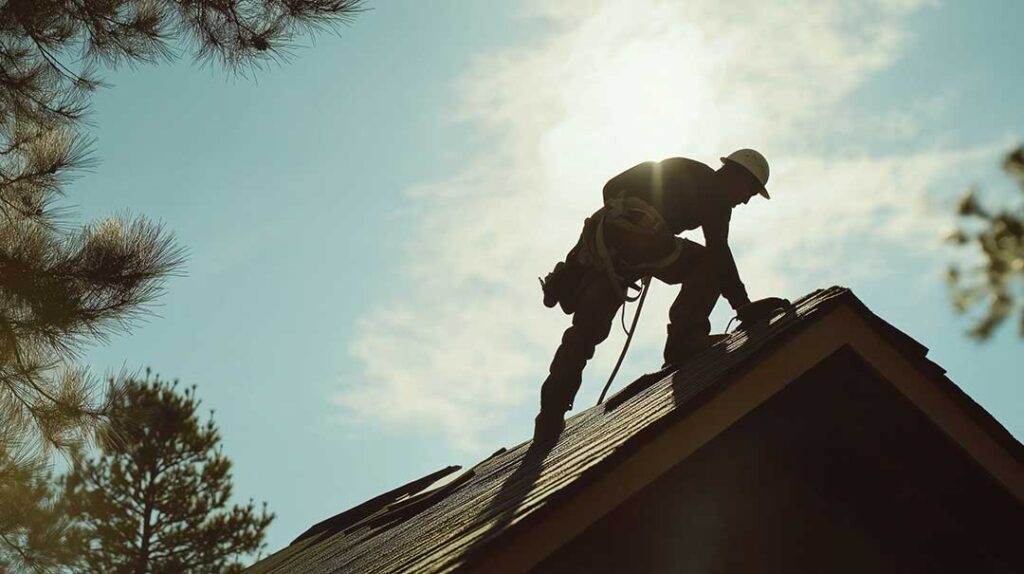
A roof rarely fails all at once. In most homes, replacement becomes necessary after years of gradual wear, repeated repairs, moisture intrusion, or damage from wind, ice, and changing temperatures.
For residents of Greene, NY, the decision often depends on more than the roof’s age. The condition of the shingles, flashing, roof deck, attic, and drainage system all matter. A roof that looks acceptable from the ground may still have problems developing underneath.
How long does a typical roof last?
The expected service life depends on the roofing material, installation quality, ventilation, exposure, and maintenance history.
Common residential roofing materials have general life spans such as:
- Asphalt shingles: approximately 15 to 30 years
- Architectural asphalt shingles: approximately 25 to 40 years
- Metal roofing: approximately 40 to 70 years
- Slate, tile, and other long-lasting materials: often 50 years or more
These are estimates, not guarantees. A roof exposed to strong winds, standing snow, repeated ice formation, fallen branches, or poor attic ventilation may deteriorate sooner. An older roof does not automatically require replacement, but age becomes more significant when combined with visible damage or recurring leaks.
What are the clearest signs that a roof needs replacement?
The strongest evidence is a pattern of widespread deterioration rather than one isolated defect.
Look for:
- Shingles that are curling, cracked, blistered, or missing granules
- Bare patches where the shingle surface has worn away
- Missing, loose, or lifted shingles
- Numerous temporary repairs in different areas
- Dark stains or exposed wood around roof penetrations
- Sagging along the roofline or between rafters
- Water stains on ceilings, walls, or upper-floor trim
- Daylight visible through the roof deck in an attic
- Granules collecting in gutters or at the base of downspouts
- Flashing that is rusted, separated, or visibly damaged
A few damaged shingles may be repairable. If deterioration is spread across multiple slopes, however, patching may only delay a larger failure.
Do roof leaks always mean the entire roof must be replaced?
No. A small, isolated leak does not automatically mean the roof has reached the end of its life.
Leaks caused by a single damaged shingle, loose flashing joint, or failed seal around a vent may be repairable. The more difficult question is whether the leak is isolated or part of a broader moisture problem.
Replacement becomes more likely when:
- Leaks occur in several locations
- Repairs do not stop the same leak from returning
- The underlayment or roof deck has deteriorated
- Shingles are brittle and cannot be safely lifted for repair
- Moisture has caused widespread rot, mold, or insulation damage
- The roof is near or beyond its expected service life
Water can travel along rafters and roof decking before appearing indoors. The location of a ceiling stain may not match the location where water entered.
How do Greene’s winters affect roof condition?
Cold winters, snow, freezing rain, and repeated freeze-thaw cycles can place extra stress on residential roofs. Snow may remain on shaded roof sections while warmer areas begin to melt. Meltwater can refreeze near eaves, valleys, and roof edges, creating ice buildup that may force water beneath roofing materials.
Winter conditions can also reveal existing weaknesses in:
- Flashing around chimneys, vents, and skylights
- Valleys where roof sections meet
- Low-slope areas
- Gutters and downspouts
- Attic insulation and ventilation
- Older or brittle shingles
Snow and ice are not automatically signs that a roof needs replacement. However, repeated ice-related leaks, sagging, or water damage should not be treated as routine seasonal maintenance. Excessive snow loads can also create structural concerns, especially where snow drifts collect near roof transitions, additions, or obstructions.
Can attic problems indicate that the roof needs replacement?
Yes, although attic issues do not always originate with the roof covering.
During a careful attic inspection, warning signs may include:
- Wet or compressed insulation
- Frost on nails or roof sheathing during cold weather
- Water marks on rafters or decking
- Musty odors
- Mold-like staining
- Rot or soft wood
- Rusted fasteners
- Poor airflow through soffit, ridge, gable, or roof vents
Poor ventilation can shorten shingle life by allowing excessive heat and moisture to build up. It can also contribute to frost and ice-dam problems. Replacing shingles without correcting a ventilation or insulation issue may allow the same damage to return.
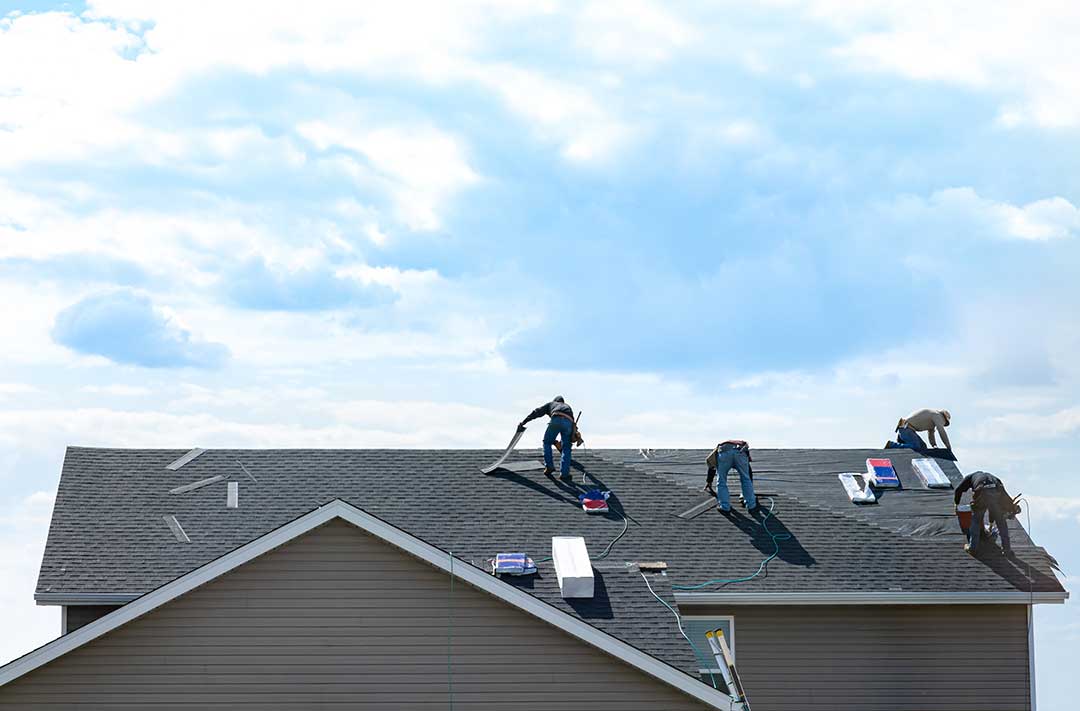
Attic inspections should be performed cautiously. Walking on ceiling joists or entering areas with exposed nails, unstable decking, mold, or structural damage can be hazardous.
Is it better to repair or replace an aging roof?
Repair is generally reasonable when damage is limited, the surrounding shingles remain flexible, and the roof has substantial useful life remaining.
Replacement deserves serious consideration when repair costs are recurring or when the roof has several of these conditions at once:
- Advanced age
- Widespread granule loss
- Multiple leak locations
- Repeated storm damage
- Sagging or soft decking
- Failed flashing in several areas
- Extensive moss or moisture-related deterioration
- Previous roofing layers that are already concealing problems
A roof may still appear functional while its underlying materials are failing. A repair decision should account for the condition of the roof deck and underlayment, not just the visible shingles.
Does moss mean the roof must be replaced?
Not necessarily. Moss grows where moisture remains on the roof, often in shaded areas. It can lift shingles, retain water, and hide damaged surfaces, but light moss growth alone does not prove that replacement is necessary.
The more relevant questions are whether the shingles have been lifted, whether the roof deck is soft, and whether moisture is entering the building. Aggressive scraping or pressure washing can remove protective granules and cause additional damage.
When should homeowners inspect a roof?
A practical schedule is to inspect the roof from the ground in spring and fall, and again after major wind, hail, or ice events. The inspection should include roof edges, valleys, flashing, gutters, downspouts, attic spaces, and interior ceilings.
After severe weather, look for:
- Shingles or metal pieces in the yard
- New ceiling stains
- Bent or detached flashing
- Clogged or sagging gutters
- Exposed underlayment
- Branch impact marks
- New roofline sagging
Do not climb onto a wet, icy, steep, or visibly damaged roof. A qualified roofing inspector may be needed when the condition cannot be evaluated safely from the ground or attic.
What should be checked before replacing a roof?
Roof replacement is a building project, not only a shingle project. Before work begins, the full roof assembly should be considered:
- Roof decking and structural framing
- Underlayment and ice-barrier protection
- Flashing at walls, chimneys, valleys, and penetrations
- Attic insulation and ventilation
- Gutter and downspout drainage
- Roof penetrations and exhaust vents
- Local building-code requirements
New York’s residential code includes requirements for roof coverings, underlayment, flashing, and ice barriers in areas subject to ice backup. The correct details depend on the roof design and the work being performed.
The clearest time to replace a roof is when age, widespread surface wear, recurring leaks, and underlying moisture or structural problems begin appearing together. Addressing those signs before the next major winter or storm can help prevent damage from spreading into insulation, ceilings, walls, and framing.
