
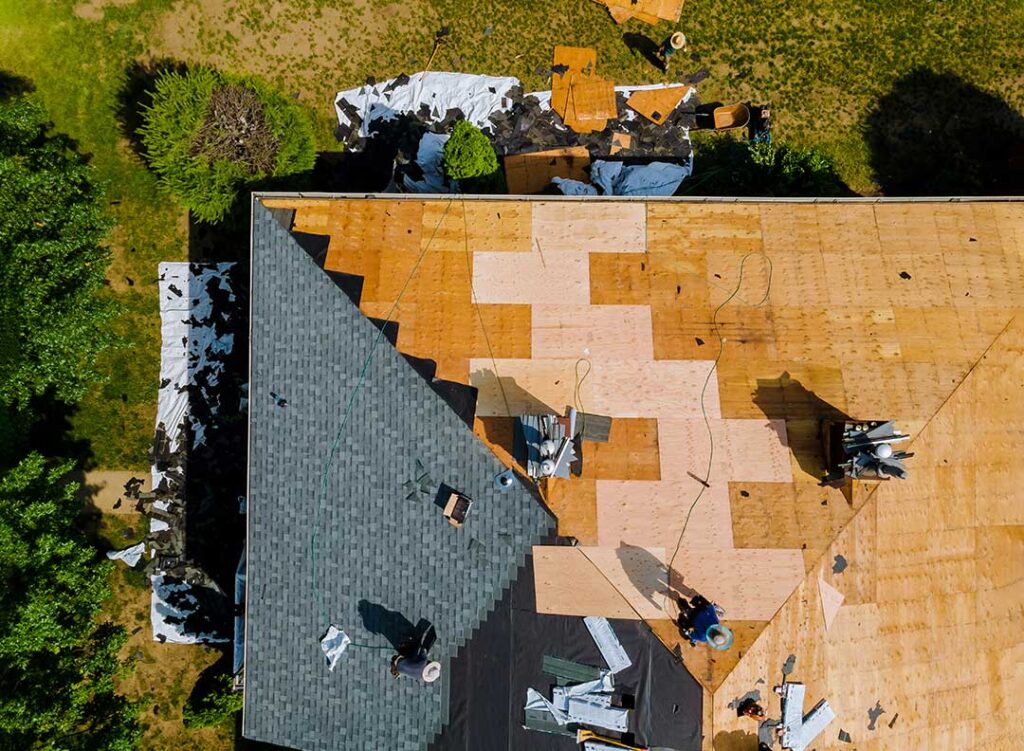
How do pests get into a roof?
Pests usually enter through small openings, damaged materials, or gaps around roof features. A hole does not need to be large: mice can squeeze through openings about one-quarter inch wide, while bats, squirrels, birds, raccoons, and insects may use larger gaps around the roofline.
In Greene, NY, seasonal weather can make these entry points worse. Freeze-thaw cycles, wind, heavy rain, snow, and falling branches may loosen shingles, widen cracks, or damage vents and flashing. Once an opening develops, animals may use it for shelter, nesting, or access to warmer parts of a house.
Common roof entry points include:
- Loose or missing shingles
- Damaged roof sheathing
- Gaps around chimneys, plumbing vents, and skylights
- Openings at soffits, fascia, and roof edges
- Unscreened ridge, gable, or soffit vents
- Damaged attic vents
- Gaps around utility lines
- Deteriorated flashing
- Tree limbs touching or overhanging the roof
The roof itself is only part of the entry system. Pests often climb trees, siding, gutters, downspouts, or exterior walls before reaching the eaves.
Which pests commonly enter through roofs?
Different animals use roofs in different ways. Rodents often seek dry nesting spaces in attics, while larger wildlife may enter through roof edges, vents, or damaged sections.
Mice and rats can enter through very narrow openings. They may travel along wall cavities, insulation, and attic framing. Signs can include droppings, shredded insulation, gnaw marks, scratching sounds, and a strong stale odor.
Squirrels commonly reach roofs from nearby trees. They can chew through wood, soffits, fascia, and some vent materials. An opening that begins as a small damaged spot may become much larger if the animal continues enlarging it.
Raccoons need a larger opening, but their size and strength allow them to pull apart weak materials. They may target loose roof edges, deteriorated soffits, chimney areas, and poorly secured attic vents.
Bats often use narrow gaps along flashing, roof intersections, and siding-to-roof connections. They may remain quiet during the day, making an entry problem difficult to notice until staining, droppings, or nighttime activity becomes apparent.
Birds and insects may enter through vents, holes, and gaps beneath roofing materials. Wasps, bees, and other insects can also establish nests in wall or roof cavities, particularly where moisture-damaged wood or open ventilation paths are present.
Where are the most vulnerable places on a roof?
The roof perimeter is usually more vulnerable than the middle of an intact roof. Roof edges contain several transitions where materials meet, move, or require protective trim.
Soffits and fascia
Soffits allow attic ventilation, but damaged or missing screens can provide direct access. Fascia boards may rot where gutters hold water against the wood. Squirrels and other animals can then create or enlarge openings.
Roof vents
Ridge vents, box vents, gable vents, and turbine vents may be damaged by wind, falling branches, or age. A missing screen or broken cover can allow birds, bats, insects, or rodents into the attic.
Chimney flashing
Flashing seals the joint between a chimney and the roof. If it separates, corrodes, or becomes loose, water and animals may enter through the same gap. Chimney caps also matter because an uncapped or damaged chimney can attract birds, bats, and other wildlife.
Plumbing vent openings
Rubber seals and flashing around plumbing vents can crack over time. The resulting gap may be small, but it can allow moisture, insects, or rodents to enter near the roof penetration.
Roof valleys and intersections
Where roof planes meet, water and debris can collect. Nearby flashing may deteriorate faster, especially if leaves remain trapped after storms or during the fall season.
Can pests enter through a roof that looks intact?
Yes. A roof can appear sound from the ground while still having concealed entry points. Small gaps may be hidden behind gutters, under overlapping shingles, beneath ridge caps, or inside vent assemblies.
Some signs are easier to detect from inside the attic than outside. Look for:
- Daylight visible through roof or wall openings
- Torn or displaced insulation
- Droppings or urine stains
- Scratching, rustling, or squeaking sounds
- Gnawed wood, wires, or stored materials
- Feathers, nesting material, or animal odors
- Staining near vents, chimneys, or roof penetrations
- Insects repeatedly appearing in one area
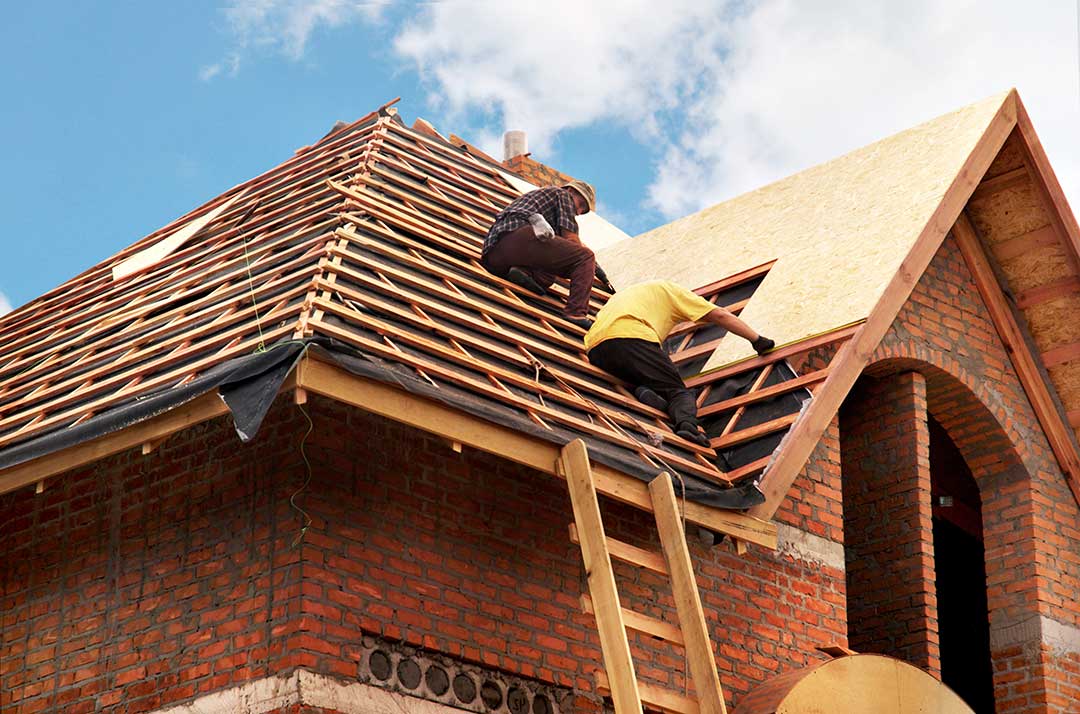
A roof inspection from the ground may miss problems at the underside of the roof edge. Safe attic access, a flashlight, and careful observation can reveal more, but unstable flooring, electrical hazards, animal bites, and contaminated insulation create real risks.
How do seasonal conditions affect roof pest entry?
Seasonal changes influence both roof damage and animal behavior. In autumn, wildlife may search for protected spaces before colder weather arrives. In winter, warm attic air can make a house especially attractive to rodents, squirrels, and bats.
Spring storms may loosen shingles, damage vents, and bring down branches. Summer heat can cause roofing materials, sealants, and vent components to expand, contract, or age more quickly. Heavy rain may also expose leaking areas that animals later use as entry points.
Homes surrounded by mature trees may face additional risk because branches create pathways to the roof. Leaves and twigs can block drainage, retain moisture, and conceal small gaps near roof edges.
Does attic ventilation attract pests?
Proper ventilation does not normally attract pests by itself. The problem occurs when vents are open, damaged, or missing a durable protective screen.
Ventilation openings need to allow air movement while blocking animals and insects. A screen that has pulled loose, rusted through, or been damaged by wildlife may no longer protect the attic. Covering a vent completely is not a safe solution because restricted ventilation can contribute to heat buildup, condensation, moisture damage, and shortened roof life.
How can homeowners reduce roof entry risks?
Prevention begins with routine observation and prompt attention to minor damage. Useful steps include:
- Check roof edges, soffits, fascia, and vents after major wind or snow events.
- Keep tree branches from resting against or providing easy access to the roof.
- Remove leaves and debris that remain trapped near valleys, chimneys, and gutters.
- Look for missing screens or damaged vent covers.
- Keep attic spaces dry and avoid storing food that could attract rodents.
- Seal openings around utility lines and other wall-to-roof connections with suitable materials.
- Watch for new noises, odors, droppings, or insulation disturbance.
- Avoid sealing an opening before confirming that no animal is inside.
Exclusion work must be planned carefully. Sealing an active nest can trap young animals, force wildlife into living spaces, or separate a mother from offspring. Bats and some other wildlife may also be subject to specific handling and exclusion rules. If an animal is present, the safest response may require knowledge of wildlife behavior and building safety.
What should be done after finding a roof entry point?
First, identify whether the opening is active and whether water is entering. Photographing the location from a safe position can help document changes. Do not reach into dark cavities, disturb nests, or handle droppings without proper protection.
If wiring has been chewed, insulation is contaminated, or a large animal has entered the attic, the situation involves more than ordinary roof maintenance. Electrical damage and animal waste can create health and fire hazards. In those circumstances, safety and legal wildlife-handling requirements should guide the next steps.
A roof opening is often a symptom of another issue, such as deteriorated flashing, damaged ventilation, moisture-weakened wood, or storm damage. Correcting only the visible hole may leave the underlying problem—and the route pests use to return—still in place.
