
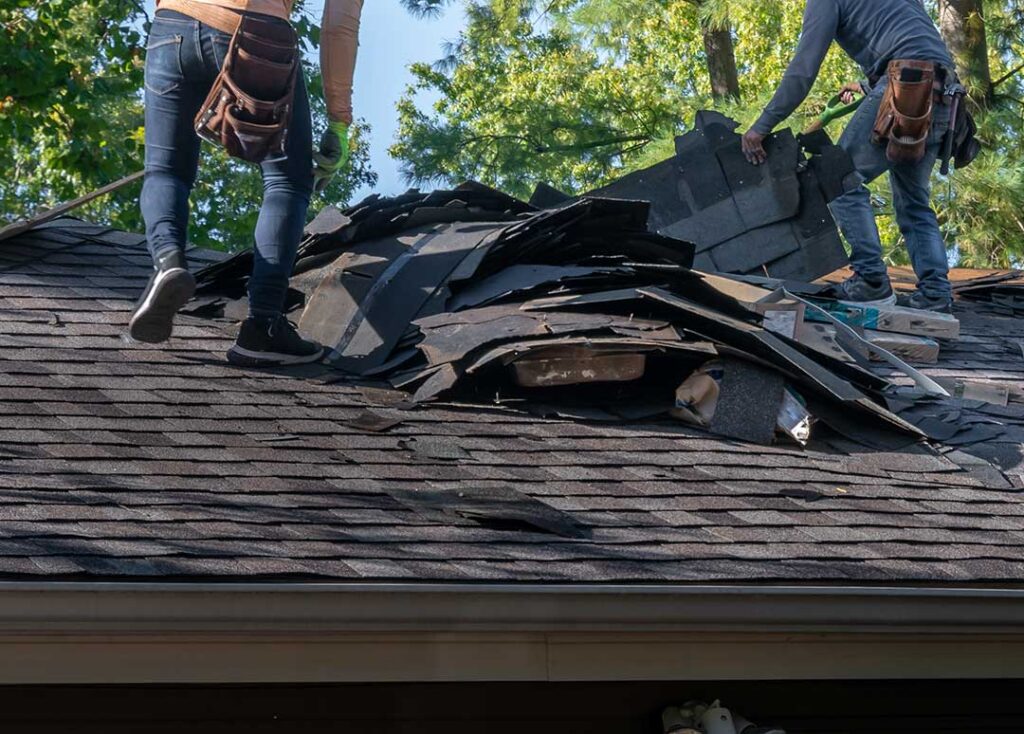
Roof replacement can produce a surprising amount of waste, including shingles, roofing paper, metal flashing, gutters, wood, insulation, and damaged sheathing. In Greene, NY, many of these materials should be handled as construction and demolition debris rather than placed in household recycling bins.
The right disposal method depends on the material, its condition, and whether it is clean and separated. Some roofing materials can be recycled into pavement or reused in building projects, while others require special handling because they may contain hazardous substances.
Which roofing materials can be recycled?
Asphalt shingles are the most common roofing material considered for recycling. Clean, uncontaminated asphalt shingles may be processed into material used in asphalt pavement and other construction applications. Roofing paper may also be accepted with asphalt shingles at facilities equipped to process it.
Other materials may have separate recycling or reuse options:
- Metal flashing, gutters, vents, and drip edge: These are generally recyclable as scrap metal if they are free of excessive roofing cement, insulation, and other debris.
- Clay, concrete, or slate roofing: Unbroken pieces may be reusable, while broken material may sometimes be processed as aggregate or masonry debris.
- Wood shingles and shakes: Clean, untreated wood may be accepted separately from other construction waste. Painted, stained, glued, or pressure-treated wood may have different disposal requirements.
- Roof decking and lumber: Unpainted, uncontaminated wood may be reusable or recyclable through a construction and demolition debris facility.
- Roofing insulation: Some rigid insulation products may be accepted by specialized recyclers, but they are not normally placed in curbside recycling.
- Roof membranes: Single-ply membranes, modified bitumen, and built-up roofing materials may require a facility that specifically accepts commercial roofing waste.
A facility may reject a load if different materials are mixed together, if the debris is wet or contaminated, or if it contains prohibited materials. Acceptance rules should be confirmed before transporting a large load.
Can old asphalt shingles go in household recycling?
No. Asphalt shingles should not be placed in a household recycling bin or mixed with ordinary curbside recyclables. They are bulky, heavy, and composed of asphalt, fiberglass or organic reinforcement, mineral granules, and adhesives.
The appropriate destination is usually a construction and demolition debris facility, transfer station, or specialized shingle recycler that accepts asphalt roofing materials. New York regulations recognize uncontaminated asphalt shingles and roofing paper as a construction and demolition material category that may be accepted and processed at properly registered facilities.
In practice, recycling availability can vary. A facility may accept shingles for disposal but not process them for recycling, or it may accept only clean asphalt shingles without wood, insulation, flashing, or general trash mixed in.
How should roofing debris be sorted?
Sorting materials before loading can reduce disposal problems and may make recycling possible. Keep the following groups separate when practical:
- Asphalt shingles and roofing paper
- Metal components
- Clean wood
- Concrete, slate, clay, or masonry
- Plastic or rubber roofing materials
- General trash
- Suspected hazardous materials
Remove obvious items such as plastic wrapping, cardboard, tools, loose insulation, wires, and household garbage. Nails do not necessarily prevent asphalt shingles from being accepted, but excessive metal, large pieces of wood, and other debris may cause a load to be rejected.
A tarp or covered container is useful during transport. Roof tear-off debris can contain sharp nails and may scatter on roads or driveways, especially during windy conditions or while traveling over uneven roads.
What should residents do with old roof shingles?
Residents usually have three practical options:
1. Take clean, separated shingles to an accepting construction and demolition debris facility.
2. Ask whether the receiving facility sends asphalt shingles to recycling or handles them as disposal waste.
3. Separate metal and reusable materials before bringing the remaining roofing debris to the appropriate waste stream.
Greene County transfer stations accept construction and demolition debris, but acceptance rules, charges, and operating conditions can change. Shingles may be handled as loose construction waste rather than bagged household trash. Loads should be prepared according to the current requirements, and questionable materials should be identified before arrival.
For a small repair, storing a few shingles for future patching may be practical if they are dry, flat, and undamaged. However, old shingles become brittle with age and may break when reused. Reuse is more realistic for newer leftover materials than for shingles removed after many years of weather exposure.
How should metal roofing and flashing be handled?
Metal roofing is often easier to recycle than composite roofing because steel, aluminum, and copper have established scrap-metal markets. Before recycling, remove as much roofing cement, insulation, underlayment, and wood as reasonably possible.
Keep different metals separate when possible. Copper, aluminum, and steel may be valued and processed differently. Sharp edges should be folded inward or secured so they do not injure people handling the material.
Metal roofing with extensive coatings, attached foam, or other bonded materials may not qualify as ordinary scrap metal. A recycling facility may classify it as mixed construction debris instead.
What about slate, tile, and wood roofing?
Undamaged slate or tile may be suitable for repair work, small garden structures, or future replacement of individual pieces. Store it on a stable surface where it cannot slide or crack. Slate is heavy and brittle, so lifting and stacking require care.
Broken tile, slate, and concrete roofing may be accepted as masonry or inert construction debris, but it should not be mixed automatically with asphalt shingles. Clean wood shingles and shakes may have reuse potential, while painted, treated, or deteriorated wood may need a different disposal route.
Do not burn old roofing materials. Asphalt shingles release smoke and pollutants when burned, and painted or treated wood can release additional hazardous compounds.
How can asbestos-containing roofing be recognized?
Some older roofing products may contain asbestos, particularly certain cement shingles, roofing felts, mastics, and other specialty materials. Asbestos cannot be identified reliably by appearance alone.
If roofing material is from an older building, appears cement-like or unusually rigid, or is suspected to contain asbestos, avoid breaking, cutting, sanding, sweeping, or placing it in a regular waste load. New York waste facilities do not generally accept asbestos with ordinary construction debris. Testing and regulated removal may be required before disposal.
The same caution applies to debris contaminated with mold, chemicals, fuel, or other hazardous substances. Do not mix questionable material with clean shingles or recyclable metal.
What is the most practical approach for a roof replacement?
The simplest approach is to plan waste handling before tear-off begins. Identify the roofing materials, arrange separate containers or staging areas, and confirm which facility accepts each category. In a rural and seasonally variable area such as Greene, weather can quickly make roofing debris wet, muddy, or difficult to sort, so covered storage is especially useful.
For a do-it-yourself repair, keep the volume small, separate metal from shingles, protect the load during transport, and never assume that a household recycling program accepts roofing waste. For a full replacement or debris pile containing suspected asbestos or other hazards, specialized handling may be necessary for safety and legal compliance.
Recycling is not always available for every roofing product, but careful sorting can still reduce landfill waste, recover valuable metal, preserve reusable materials, and prevent hazardous debris from entering an ordinary waste stream.
