
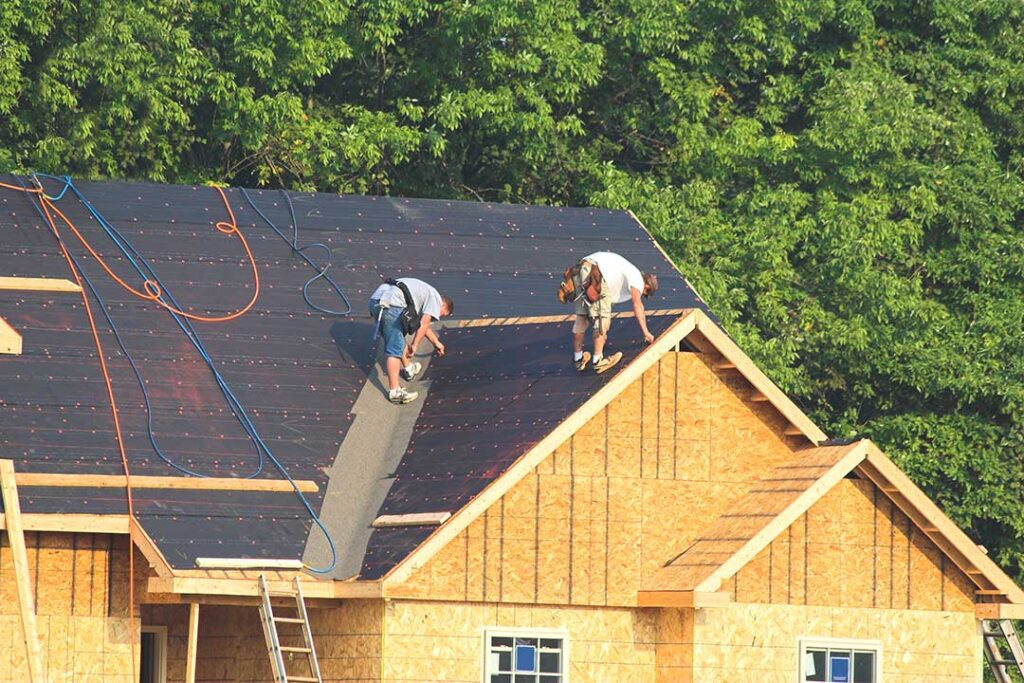
Roof decking is the structural layer beneath the shingles or other roof covering. It is commonly made from plywood, oriented strand board, or older wood planks, and it helps support the roofing system while transferring weight to the rafters or trusses.
Problems in the decking are often caused by water intrusion, long-term condensation, ice dams, poor ventilation, or age-related deterioration. In Greene, NY, repeated cycles of snow, freezing temperatures, thawing, wind-driven rain, and summer humidity can make small moisture problems worse over time.
What does damaged roof decking look like?
Damaged decking may not be visible from the ground, especially when shingles and underlayment are still covering it. The first clues often appear in the attic, on ceilings, or as changes in the roof’s exterior shape.
Common signs include:
- Sagging or uneven areas on the roof surface
- Soft, stained, or crumbly wood in the attic
- Water marks on ceilings or upper walls
- Musty odors near the attic or top-floor rooms
- Shingles that appear wavy, uneven, or poorly supported
- Nails or fasteners that have pulled loose
- Repeated leaks in the same area
- Visible daylight through the roof boards
- Mold-like staining or wood discoloration
A single stain does not always mean the entire roof deck is failing. It does indicate that moisture has reached an area that should be checked, particularly if the stain grows or reappears after rain or snowmelt.
How can attic conditions reveal a decking problem?
The attic is often the most useful place to look because the underside of the decking may be exposed. Inspection should be done carefully from a stable surface, since stepping between rafters can damage the ceiling below.
Look for:
- Darkened or water-stained sections of sheathing
- Peeling layers or swollen edges on plywood or OSB
- Wood fibers that crumble when lightly touched
- Rusted nails or metal fasteners
- Damp insulation beneath roof leaks
- Frost or heavy condensation on the underside of the roof
- A persistent musty smell
- Small patches of mold-like growth
Roof decking can weaken even when there is no active dripping. A leak may occur only during wind-driven rain, melting snow, or an ice dam. Moisture can also come from warm indoor air entering a cold attic through gaps around light fixtures, plumbing penetrations, ductwork, or the attic access.
Frost on the underside of the roof in winter is a warning sign for excess moisture or inadequate air movement. When that frost melts, it can wet the decking and insulation, sometimes creating damage that looks like a roof leak.
What exterior signs suggest the decking may be soft or weakened?
Some roof-deck problems can be noticed from the ground, although an exterior appearance cannot confirm the condition of the wood underneath.
A roof surface that dips between rafters may indicate weakened decking, framing movement, excess weight, or a problem with the roofing materials. Shingles may also look uneven when the surface beneath them has swollen, sagged, or deteriorated.
Pay attention to areas around:
- Chimneys and roof-to-wall intersections
- Valleys where two roof slopes meet
- Plumbing vent openings
- Skylights
- Dormers
- Eaves and roof edges
- Areas below damaged or missing shingles
These locations receive concentrated runoff or contain penetrations where flashing can fail. Water that gets beneath the roof covering may travel along the decking before appearing inside the home, so the visible ceiling stain may not be directly below the original entry point.
Can ice dams damage roof decking?
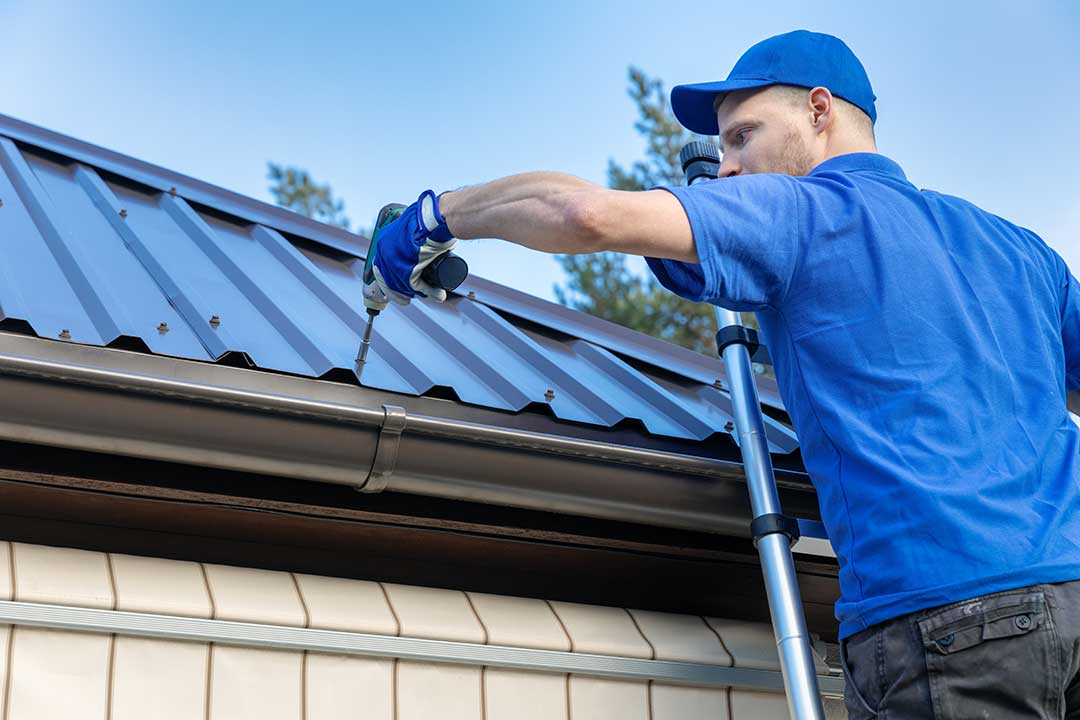
Yes. Ice dams can contribute to decking damage by allowing melted snow to collect behind a ridge of ice along the roof edge. The standing water may work beneath shingles and underlayment, especially if the roof assembly has weak flashing or gaps in water protection.
Homes with uneven attic temperatures are more vulnerable. Heat escaping from the living space can warm portions of the roof while the eaves remain cold. Snow melts on the warmer section, then refreezes near the colder edge.
Signs of possible ice-dam-related damage include:
- Water stains near exterior walls or ceilings
- Damp insulation along the eaves
- Repeated winter leaks that stop in warmer weather
- Peeling paint near upper-floor windows
- Swollen wood or staining at roof edges
- Icicles accompanied by interior moisture problems
Large icicles do not automatically mean the decking is damaged, but recurring ice buildup deserves attention. Removing snow or ice from a roof can also be hazardous and may damage shingles, so roof access should not be treated as a routine do-it-yourself task.
Is discoloration always rot?
No. Discoloration can result from an old leak, surface mold, dirt carried by water, or condensation. Rot usually involves a loss of wood strength or texture rather than color alone.
Wood that feels soft, spongy, flaky, or crumbly is more concerning than a firm board with an isolated stain. Plywood may delaminate, meaning its layers begin to separate. OSB may swell along its edges and lose its original shape. Older plank decking may split, decay around fasteners, or show areas that have become thin.
A moisture meter or close inspection can help distinguish surface staining from deeper moisture damage, but measurements should be interpreted alongside the roof’s history and ventilation conditions.
What should homeowners do after finding a suspected problem?
Start by documenting the location and timing of the issue. Note whether the stain appears after rain, snowmelt, strong wind, or a period of cold weather. Photographs of attic stains, exterior roof areas, and interior ceiling damage can help establish whether the condition is changing.
Inside the home:
- Place a container beneath active drips.
- Move stored items away from wet areas.
- Avoid touching electrical fixtures that may have become wet.
- Do not cover a ceiling bulge by puncturing it unless there is an immediate safety reason and the electrical risk has been addressed.
- Keep people away from visibly sagging ceilings.
If the roof surface is sagging, the attic decking can be stepped on only with extreme care, or water is near electrical wiring, the condition should be treated as a safety issue. Structural damage may require evaluation before ordinary roof work proceeds.
A roof covering replacement does not automatically solve a decking problem. When shingles or other materials are removed, the wood underneath should be examined for soft spots, swelling, delamination, rot, and improper fastening. Damaged sections may need replacement, while sound decking may remain in place.
How can roof decking problems be reduced?
Regular observation helps catch moisture before it becomes structural damage. Check the attic during different seasons, especially after heavy rain, prolonged snow cover, or a major freeze-thaw period. Keep gutters and drainage paths clear, watch for missing or damaged shingles, and make sure bathroom and kitchen exhaust systems discharge outdoors rather than into the attic.
Good attic insulation and air sealing also matter. They help limit warm, moisture-laden air from reaching cold roof surfaces during the heating season. Adequate ventilation must be designed as part of the roof assembly rather than added without considering existing insulation and air pathways.
For area households, the most useful warning sign is often repetition: a stain that returns, a leak that occurs each winter, or a roof section that keeps looking uneven. Recurring symptoms usually point to an unresolved moisture or structural condition beneath the visible roofing materials.
