
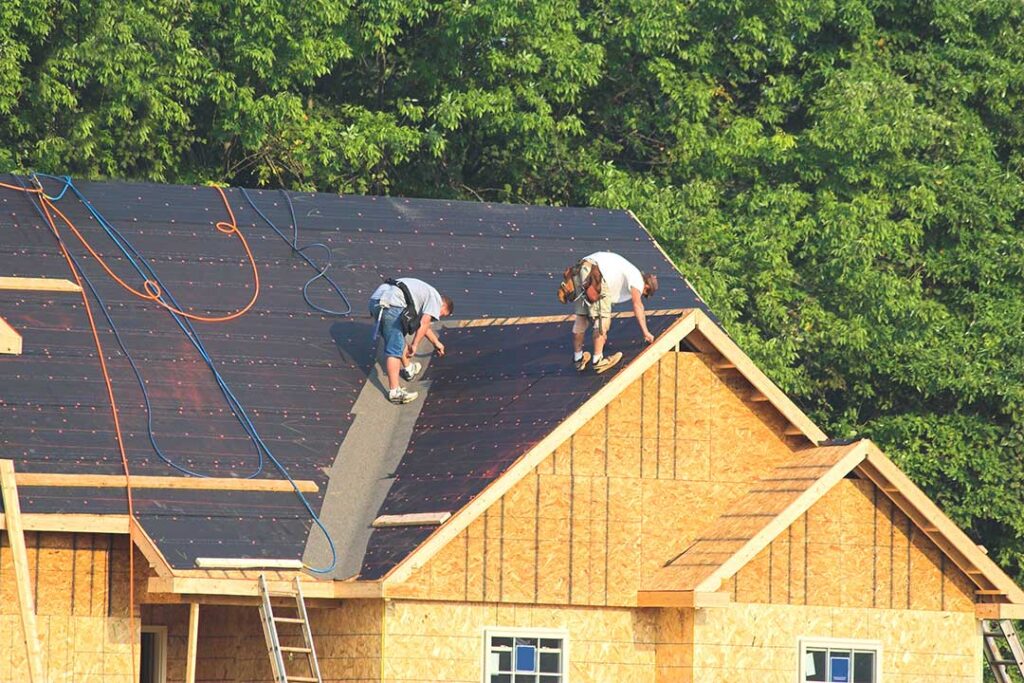
What does the roofing process involve?
A roofing project usually follows a sequence: inspection, planning, material selection, preparation, removal, installation, ventilation work, and final cleanup. Understanding each stage helps property owners recognize normal progress and identify problems before they become expensive.
In Greene, NY, roofing decisions are shaped by seasonal weather. Snow, ice, wind, spring rain, summer heat, and repeated freeze-thaw cycles can all affect roofing materials and the condition of the underlying structure.
A roof is more than its visible shingles. It is a system that includes:
- The roof deck, usually made of wood panels
- Underlayment that adds moisture protection
- Flashing around openings and transitions
- Shingles or another exterior covering
- Ventilation components
- Gutters, downspouts, and drainage paths
A successful project addresses the entire system rather than focusing only on the surface.
How does a roofing project begin?
The process begins with an inspection and a clear definition of the work. The roof may need a minor repair, partial replacement, or complete replacement. Those options should not be treated as interchangeable.
An inspection typically looks for:
- Missing, cracked, curled, or loose shingles
- Exposed fasteners or damaged flashing
- Soft areas in the roof deck
- Water stains in attic spaces or upper ceilings
- Sagging ridges or roof planes
- Blocked or inadequate ventilation
- Moss, algae, or debris buildup
- Deteriorated areas around chimneys, vents, skylights, and wall intersections
Visible staining does not always show where water entered. Roof leaks can travel along rafters, decking, insulation, or interior framing before appearing inside the building. For that reason, patching the exact spot where a stain appears may not solve the underlying issue.
The age of the roof also matters, but age alone does not determine whether replacement is necessary. A well-maintained roof may remain serviceable longer than an improperly ventilated or repeatedly damaged roof.
What planning decisions matter before work begins?
Planning should account for the building’s design, local weather exposure, roof slope, existing materials, and the condition of the supporting structure. The goal is to choose a roofing approach that works with the building rather than simply covering visible defects.
Important questions include:
- Is the existing roof covering suitable for another layer, or should it be removed?
- Is the roof deck dry, flat, and structurally sound?
- Are attic ventilation paths open and balanced?
- Are flashing details being repaired or replaced?
- How will snow and ice affect roof edges and valleys?
- Are gutters positioned to manage runoff from the completed roof?
- Are permits or inspections required for the specific work?
Layering new shingles over old ones can sometimes be allowed, but it is not appropriate for every roof. Multiple layers can conceal damaged decking, add weight, make future repairs harder, and reduce the ability to inspect vulnerable areas.
What happens during roof removal?
During removal, the existing roof covering is taken off in sections. This stage can be noisy and can produce falling debris, especially around roof edges and wall lines.
The exposed roof deck is then examined. Damaged panels, rotten wood, or areas weakened by long-term moisture may need to be replaced before new roofing materials are installed. Covering a weak deck does not restore its strength.
Removal also reveals conditions that may not have been visible during an exterior inspection. Examples include:
- Hidden leaks around flashing
- Nail pops or improperly placed fasteners
- Water damage near valleys
- Inadequate edge protection
- Compressed or missing insulation
- Signs that attic moisture has been mistaken for a roof leak
Weather planning is especially important in a climate with changing conditions. An exposed roof deck should not be left unprotected during rain or overnight moisture. Materials may also require suitable temperatures and dry surfaces for proper installation.
How are the new roofing layers installed?
Once the deck is ready, the roof system is installed from the lower edge upward. The exact materials vary, but the general purpose of each layer remains similar.
The roof edge is prepared first so water is directed away from the deck. Underlayment is then applied to provide an additional moisture barrier beneath the exterior covering. Valleys and other high-risk areas may receive extra protection because they collect and channel water.
Flashing is installed wherever the roof meets another surface or contains an opening. Common locations include:
- Chimneys
- Plumbing vents
- Skylights
- Sidewalls
- Roof-to-wall transitions
- Valleys
- Eaves and rakes
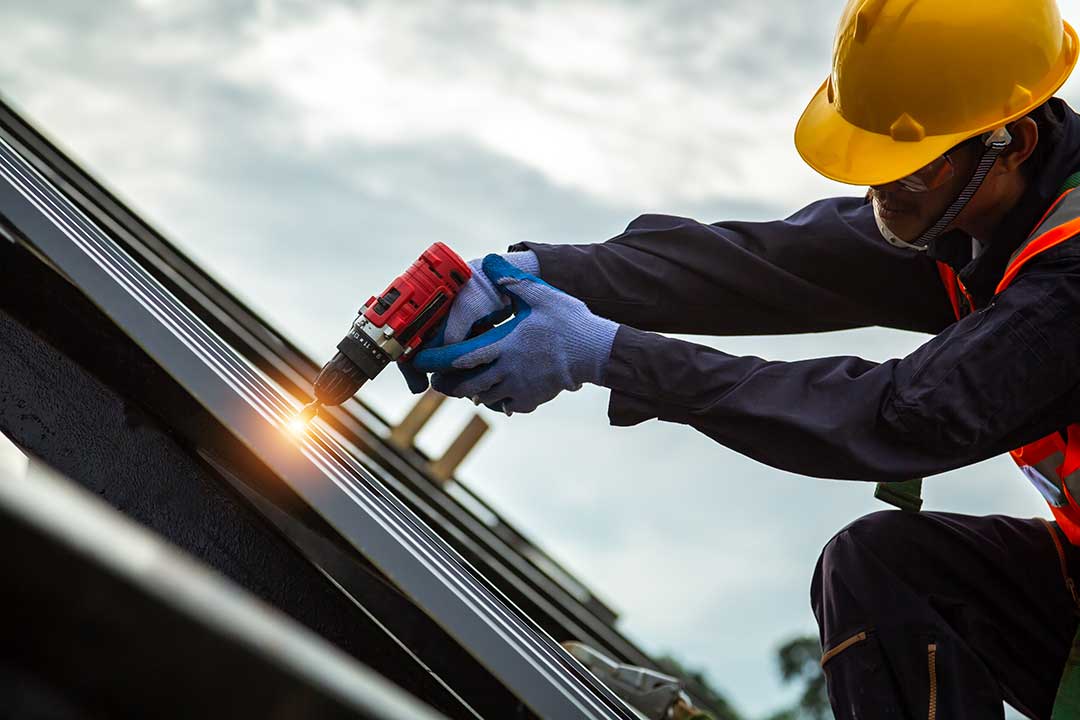
Shingles or other roof coverings are installed in planned courses so overlaps shed water rather than trap it. Fastener placement matters. Nails that are too high, too low, too few, or poorly aligned can reduce the roof’s ability to resist wind and moisture.
Roof penetrations deserve particular attention. A new roof can still leak if a vent, chimney, or skylight is not properly integrated with the surrounding layers.
Why are ventilation and insulation part of the process?
Roof ventilation helps control heat and moisture in the attic. It does not replace insulation, and adding vents without a proper airflow path may not improve conditions.
A functioning ventilation system generally requires air to enter near the lower roof edge and exit higher on the roof. Blocked soffit paths, insufficient intake openings, or misplaced insulation can interfere with that movement.
Poor attic ventilation may contribute to:
- Condensation on cold surfaces
- Damp insulation
- Mold or wood deterioration
- Premature aging of roofing materials
- Ice buildup along roof edges during winter
Ice dams can form when heat escapes into the attic and warms the underside of the roof while the eaves remain cold. Snow melts, flows toward the edge, and refreezes. Ventilation, insulation, air sealing, and adequate drainage all influence this problem.
What should be checked after installation?
A final inspection should confirm that the roof is complete, secure, and properly integrated with the rest of the building. It should include more than a visual check from the ground.
Useful items to verify include:
- Roofing materials are properly aligned and fastened
- Flashing is present and sealed at vulnerable transitions
- Pipe collars and other penetrations are intact
- No exposed underlayment or damaged shingles remain
- Valleys and roof edges are free of loose debris
- Gutters and downspouts are clear
- Attic areas show no new moisture or daylight where it should not appear
- Grounds, landscaping, and exterior surfaces are free of discarded fasteners
Magnetic sweeping can help collect loose roofing nails from paved and lawn areas, although property owners should still inspect places where children, pets, or foot traffic are common.
The first heavy rain and the first significant snow provide useful opportunities to observe drainage. Water should move through intended channels without pooling against walls, overflowing at corners, or backing up beneath roof edges.
How should a new roof be maintained?
Routine maintenance extends the useful life of a roof and makes small problems easier to address. After major wind, hail, falling branches, or heavy snow, a visual inspection can reveal damage that is not obvious from indoors.
Property owners should watch for:
- Loose or missing shingles
- Granules collecting in gutters
- Damaged flashing
- Sagging areas
- Blocked drainage
- Tree limbs touching the roof
- Stains or damp odors in attic spaces
Walking on a roof can damage materials and create a fall hazard. Ground-level observation, attic inspection, and safe access by trained workers are generally more appropriate.
Roofing work should also be coordinated with other exterior projects. Gutter replacement, chimney repairs, insulation upgrades, and siding work can affect flashing and water management. Treating the roof as part of the whole building envelope helps prevent one improvement from creating a new leak path.
What is the most common misunderstanding about roofing?
The most common misunderstanding is that a roof is finished once new shingles are visible. The long-term performance of the roof depends just as much on the deck, underlayment, flashing, ventilation, drainage, and installation details.
For households in Greene, NY, seasonal inspection is particularly useful because winter conditions can expose weak flashing, poor drainage, and ventilation problems. A roof that is properly planned and carefully checked is better prepared for the repeated cycles of snow, rain, wind, freezing, and thawing that affect local buildings.
