
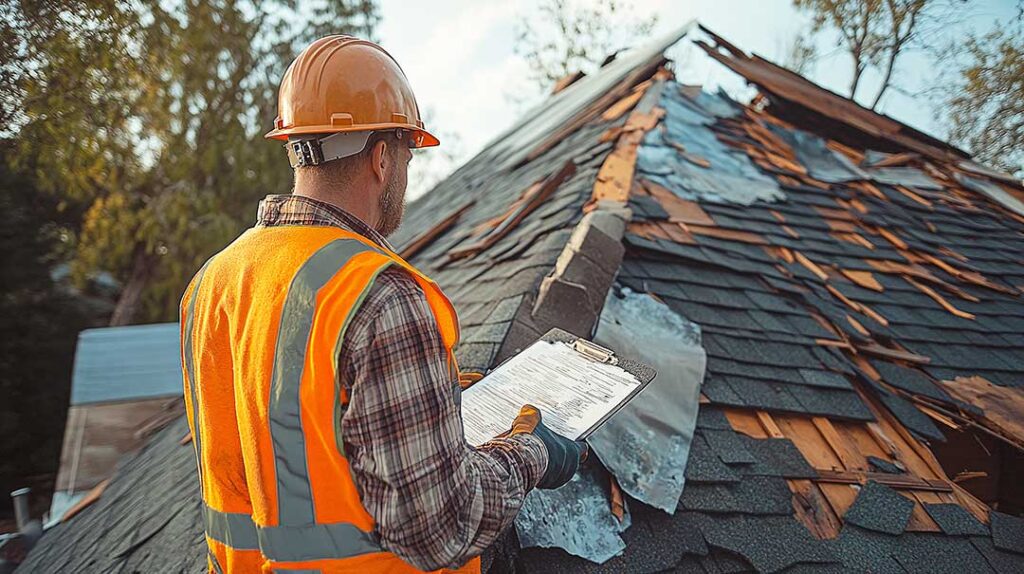
Why do roof leaks happen?
Most roof leaks begin when water finds a weak point in the roofing system. That weak point may be a damaged shingle, an aging flashing joint, a blocked drainage path, or a small opening around a roof penetration.
In Greene, NY, roofs must handle changing conditions throughout the year, including heavy rain, snow, ice, freeze-thaw cycles, wind, and falling branches. Water may enter during one weather event but remain unnoticed until staining appears on a ceiling or wall.
A visible drip does not always identify the original source. Water can travel along roof decking, rafters, insulation, or interior framing before appearing inside the building.
Which roofing materials commonly cause leaks?
Damaged, missing, or deteriorated shingles
Asphalt shingles can crack, curl, blister, loosen, or lose protective granules over time. Wind may lift shingle edges, while branches and debris can scrape or puncture the surface.
Common signs include:
- Shingles that are missing, broken, or visibly raised
- Granules collecting in gutters or near downspouts
- Bare or dark-looking areas on the roof
- Shingle edges that curl upward
- Exposed underlayment or roof decking
A roof does not need to look severely damaged to leak. A single missing shingle or small split may allow water to reach the layers underneath.
Worn-out roofing near the end of its service life
Roofing materials gradually become less flexible and less resistant to water. Older shingles may still appear intact from the ground but have weakened seals, brittle surfaces, or deteriorated underlayment.
Age alone does not prove that a roof is leaking, but older roofs are more likely to develop several small problems at once. A recurring ceiling stain, repeated patching, or widespread granule loss can indicate general material deterioration rather than one isolated defect.
Why does flashing cause so many leaks?
Flashing is the material used to direct water away from joints and changes in the roof surface. It is commonly installed around chimneys, plumbing vents, skylights, walls, valleys, and roof edges.
Flashing can leak when it is:
- Bent or damaged by wind
- Corroded or rusted
- Loosened from the roof or masonry
- Installed with gaps or poor overlaps
- Sealed with a compound that has dried, cracked, or separated
Roof penetrations are especially vulnerable because they interrupt the continuous surface of the roof. Water often enters where two materials meet, such as metal and shingles, roofing and masonry, or a vent pipe and its surrounding boot.
A patch of caulk may hide a symptom temporarily without correcting the underlying drainage or connection problem.
Can gutters and downspouts cause a roof leak?
Yes. Gutters do not usually create a hole in the roof by themselves, but poor drainage can push water into vulnerable areas.
Leaves, twigs, ice, and sediment can block the flow of water. When gutters overflow, water may run down fascia boards, behind trim, or against exterior walls. In some cases, saturated roof edges and repeated freezing can damage the underlying materials.
Downspouts that discharge too close to the foundation can also contribute to basement moisture and wall dampness, which may be mistaken for a roof problem.
Signs of a drainage-related issue include:
- Water spilling over the gutter during rain
- Sagging or detached gutter sections
- Streaks or staining below the roof edge
- Rotting fascia or soffit material
- Ice buildup along the eaves during cold weather
Keeping drainage paths clear helps, but gutter cleaning does not correct damaged shingles, failed flashing, or poor roof design.
How do ice dams lead to leaks?
Ice dams form when snow melts on warmer sections of a roof and refreezes near colder eaves. The resulting ridge of ice can block normal runoff. Water may then collect behind the dam and move beneath shingles or into roof edges.
In Greene, winter temperature swings can make this problem more likely, particularly after snowfall followed by sunny or warmer conditions. Poor attic insulation, air leakage, and inadequate ventilation can increase heat loss through the roof and contribute to uneven snowmelt.
Ice dams may cause:
- Water stains near exterior walls
- Damp insulation in the attic
- Peeling paint or damaged plaster
- Wet roof decking
- Icicles that form along broad sections of the eave
Large icicles do not always mean an ice dam is present, but extensive ice buildup deserves attention. Removing ice from a roof by chopping at it can damage shingles and create a fall hazard.
What roof penetrations are most likely to leak?
Plumbing vent pipes, chimneys, skylights, exhaust vents, antennas, and other roof openings all require carefully sealed transitions. Their seals may shrink, crack, loosen, or become brittle as they age.
Rubber pipe boots are a frequent trouble spot. The rubber can deteriorate from sunlight and temperature changes, while the metal flashing around it may separate from the roofing.
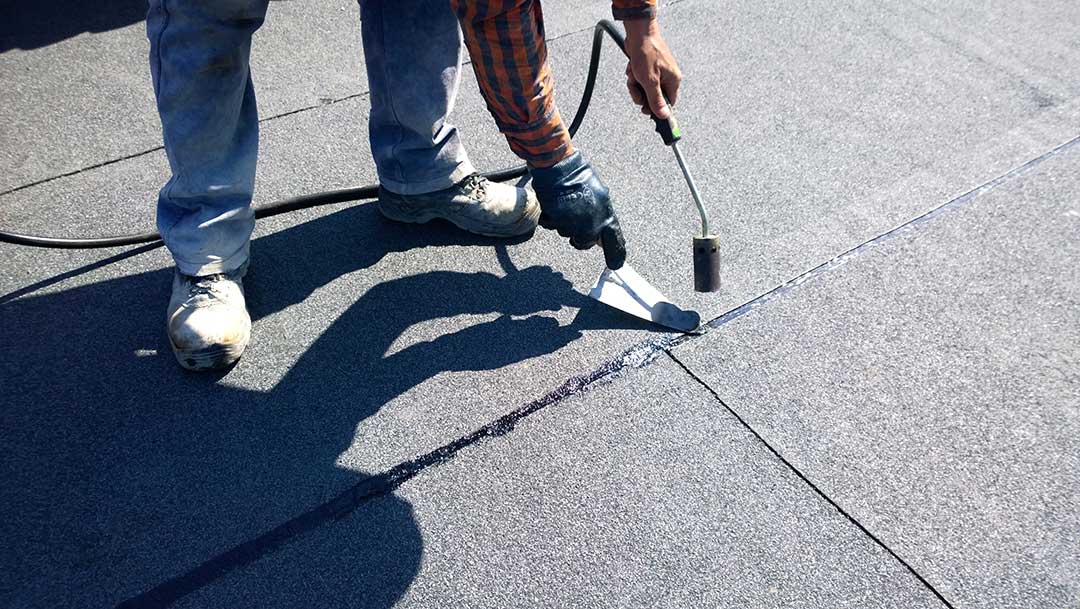
Skylights can leak because of failed flashing, blocked drainage channels, damaged seals, or condensation. A skylight leak may appear on the ceiling several feet away from the unit, making the source difficult to identify from indoors.
Chimneys also deserve close attention. Water can enter through damaged flashing, cracked mortar, open masonry joints, or a deteriorated chimney cap.
Can roof valleys create leaks?
Roof valleys are the channels where two sloped roof sections meet. They carry a large volume of water and snowmelt, so they experience more runoff than many other parts of the roof.
Valley leaks may result from:
- Cracked or displaced shingles
- Exposed or damaged valley lining
- Debris collecting in the channel
- Improperly installed overlapping materials
- Ice buildup and repeated freeze-thaw movement
Because valleys sit lower than surrounding roof areas, a small defect can expose the roof to concentrated water flow. Stains near an interior corner or along a ceiling line may be related to a valley even when the leak is not directly above the stain.
How do wind, branches, and severe weather damage roofs?
Wind can lift shingles, loosen flashing, and drive rain beneath overlapping roofing materials. Falling branches may puncture shingles, damage roof decking, or strike chimneys and vents.
After a storm, visible damage may include:
- Loose or missing shingles
- Exposed nail heads
- Bent flashing
- Cracked vent covers
- Broken branches resting on the roof
- New ceiling or wall stains
A roof can also sustain less obvious damage. Shingles may remain in place but lose their seal, allowing water to enter during the next wind-driven rain.
Why do some leaks appear only during certain weather?
The direction and intensity of rain often determine whether a leak becomes visible. Wind-driven rain can reach areas that remain dry during a calm storm. Snowmelt may reveal problems that ordinary rain does not. A leak may also appear only after several hours of continuous precipitation, when roofing materials and insulation become saturated.
Interior condensation is another possibility. Warm, moist air entering a cold attic can condense on nails, roof decking, or ventilation ducts. This may produce dampness that resembles a roof leak, especially during winter.
A useful record includes the weather conditions when the problem appears: heavy rain, wind from a certain direction, snowmelt, freezing temperatures, or a long period of steady precipitation.
What should residents do when a ceiling stain appears?
Place a container under active dripping and move furniture or electronics away from the area. If the ceiling is bulging, avoid standing beneath it because trapped water can add significant weight.
Photograph the stain and note when it appeared. If it is safe to access the attic, look for wet insulation, darkened wood, or water trails, but do not walk on areas that are not designed to support weight.
Electrical fixtures near water should be treated as a safety concern. Avoid touching wet switches, outlets, or light fixtures, and use caution around any area where water may have reached wiring.
A ceiling stain may dry after a storm, but drying does not mean the cause has been corrected. The source still needs to be located before the next period of rain, snowmelt, or freezing weather.
How can roof leaks be reduced?
Routine observation can identify small problems before they become interior damage. Look for missing shingles after high winds, clear debris from drainage paths when safe, and check attic spaces for damp insulation, staining, or musty odors.
Never climb onto a wet, icy, steep, or visibly damaged roof. Roof access can be hazardous, and storm damage may make surfaces unstable. Conditions involving electrical hazards, structural damage, significant water entry, or difficult-to-reach areas may require qualified assistance for safe evaluation.
The most common leaks are often caused by ordinary weaknesses: aging roofing, failed flashing, blocked drainage, ice buildup, weather damage, and deteriorating seals around roof openings. Recognizing those patterns helps residents respond sooner and distinguish a minor visible symptom from a larger roofing problem.
