
What is the safest way to clean a roof?
The safest approach is to avoid walking on the roof whenever possible. Many routine cleaning tasks can be handled from the ground with a roof rake, soft brush, garden hose, or long-handled tool. If roof access is necessary, the work should be limited to dry, mild conditions and performed with proper fall protection.
Roof cleaning is not simply a cosmetic chore. Leaves, moss, algae, pine needles, and other organic debris can hold moisture against roofing materials and block drainage paths. However, the cleaning method must match the roof surface. Asphalt shingles, metal roofing, wood shakes, and low-slope membranes can all be damaged by the wrong tools or chemicals.
For homes in Greene, NY, seasonal moisture, summer humidity, autumn leaf buildup, and winter freeze-thaw cycles can make roof debris a recurring maintenance concern.
Should you walk on the roof to clean it?
In most cases, no. Walking on shingles can loosen protective granules, crack aging materials, bend flashing, and create slipping hazards. Roofs become especially dangerous when they are wet, frosted, moss-covered, steep, or shaded.
A roof may also have weak areas that are not obvious from above. Soft decking, deteriorated shingles, hidden skylights, and roof edges can fail under a person’s weight.
Before attempting any work, inspect the roof from the ground. Look for:
- Heavy leaf or branch buildup
- Dark streaks or green moss
- Sagging areas
- Missing, lifted, or cracked shingles
- Damaged flashing around chimneys, vents, and skylights
- Gutters that appear blocked
- Tree limbs touching or hanging over the roof
If the roof is steep, more than one story above ground, visibly damaged, or difficult to reach safely, cleaning from the ground is the better choice. A person should not improvise fall protection with ropes, makeshift anchors, or equipment that has not been designed for roof work.
What tools are appropriate for roof cleaning?
Use tools that remove debris without scraping, crushing, or forcing water beneath the roofing material. A telescoping roof rake with a non-abrasive head is useful for loose leaves and light debris on some roof types. A soft-bristled brush may help with limited surface cleaning, but it should be used gently and in the direction of the roofing material.
A garden hose can rinse loose dirt from some roofs, provided the water is directed downward and used at low pressure. Never use a pressure washer on asphalt shingles or other fragile roofing surfaces. High-pressure water can remove granules, lift shingle edges, force water beneath flashing, and damage seals.
Avoid metal rakes, stiff wire brushes, abrasive pads, and scraping tools. These can scratch metal panels, tear membrane roofing, and remove the surface coating from shingles.
Before using any cleaning product, check whether it is compatible with the roof material. A solution that is acceptable for one roofing system may stain, weaken, or discolor another.
How should moss and algae be removed?
Moss should not be aggressively pulled from shingles. Its root-like structures can lift or tear the roofing surface. Loose moss may be gently loosened with a soft tool, but heavy growth often indicates that the roof needs a closer inspection for trapped moisture and damaged materials.
Algae usually appears as dark streaks or broad discoloration. It may not immediately affect the roof’s structure, but aggressive scrubbing can cause more damage than the algae itself. Cleaning should focus on gentle treatment and controlled rinsing rather than force.
Do not mix bleach with ammonia, acids, or other household cleaners. Dangerous gases can result. Keep cleaning solutions away from shrubs, gardens, ponds, and storm drains, and avoid allowing concentrated runoff to enter soil or waterways. Covering or thoroughly wetting nearby plants before and after limited cleaning may reduce damage, but chemical runoff should still be minimized.
Do not assume that stronger chemicals produce better results. The wrong concentration or application method can discolor siding, damage painted surfaces, corrode metal, and harm vegetation.
What is the correct direction for rinsing?
Rinse from the ridge downward, following the normal direction of water flow. This helps prevent water from being forced beneath shingle tabs, metal seams, flashing, or other overlapping components.
Use low water pressure and work in small sections. Avoid spraying directly upward beneath shingle edges or around vent openings. Roof penetrations, skylights, chimneys, and flashing deserve particular care because they are common locations for leaks.
If runoff is carrying large amounts of dirt or organic material into the gutters, pause and remove the buildup from the gutters afterward. Blocked gutters can cause water to back up beneath roof edges and contribute to fascia, soffit, and foundation drainage problems.
Is pressure washing safe for a roof?
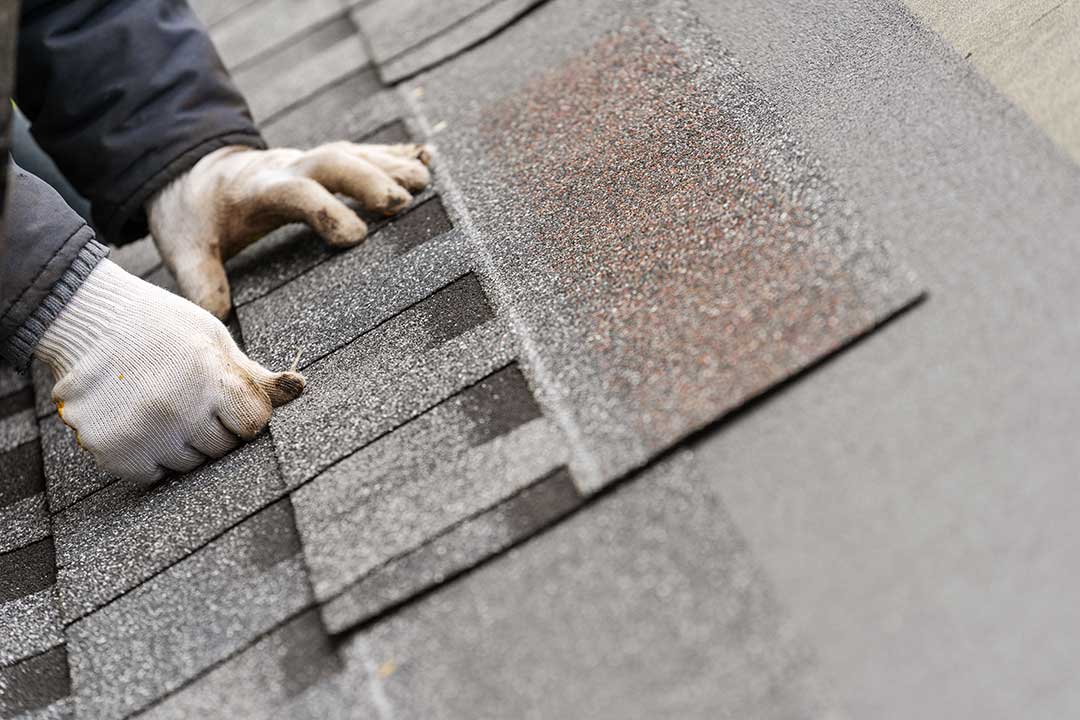
Pressure washing is generally not safe for asphalt shingles and is risky for many other residential roofing materials. The force can strip protective granules, expose the underlying mat, damage seal strips, and shorten the roof’s useful life.
Even on metal roofing, pressure washing can drive water into seams, damage coatings, or loosen fasteners if used improperly. Wood shakes can split or become saturated. Low-slope roofs may develop drainage problems if debris is pushed into drains or scuppers.
A low-pressure rinse may be suitable for some surfaces, but the equipment and technique must be appropriate for the specific roofing system. “Low pressure” should not be treated as a guarantee of safety if the nozzle is too close or the water is aimed against overlaps.
When should roof cleaning be done?
Choose a dry, calm day with moderate temperatures. Avoid cleaning during rain, freezing conditions, strong winds, or periods of intense heat. Wet roofing materials are slippery, while frozen surfaces can conceal weak footing and ice hazards.
Spring and early autumn are often practical times to remove accumulated debris, but timing depends on the roof’s condition and surrounding trees. After major wind events, inspect from the ground for branches, lifted materials, and debris rather than immediately climbing onto the roof.
In Greene, winter snow and ice should not be removed by climbing onto a residential roof with a shovel. Roof snow removal from a ladder or sloped surface can create severe fall and balance hazards. If snow must be reduced, use a roof rake from a stable position on the ground, keeping clear of falling snow, ice, and overhead hazards.
When is roof cleaning no longer a do-it-yourself task?
Stop and avoid roof access if any of the following conditions exist:
- The roof is steep or difficult to reach
- Shingles are brittle, curling, cracked, or missing
- The roof deck feels soft or appears sagged
- Moss covers a large portion of the surface
- There are overhead power lines or unstable tree limbs
- A skylight or roof opening is present
- Cleaning would require standing near an unprotected edge
- The roof is wet, icy, frosted, or windy
- You do not have properly rated fall-protection equipment and training
A fall from a roof can cause serious injury even at a relatively low height. Roof cleaning should never be treated as routine ladder work when the task requires extended time on a sloped surface.
Regular ground-level inspections, trimmed branches, clear gutters, and prompt removal of loose debris can reduce the need for risky roof access. Cleaning should preserve the roofing system—not create new damage while trying to improve its appearance.
