
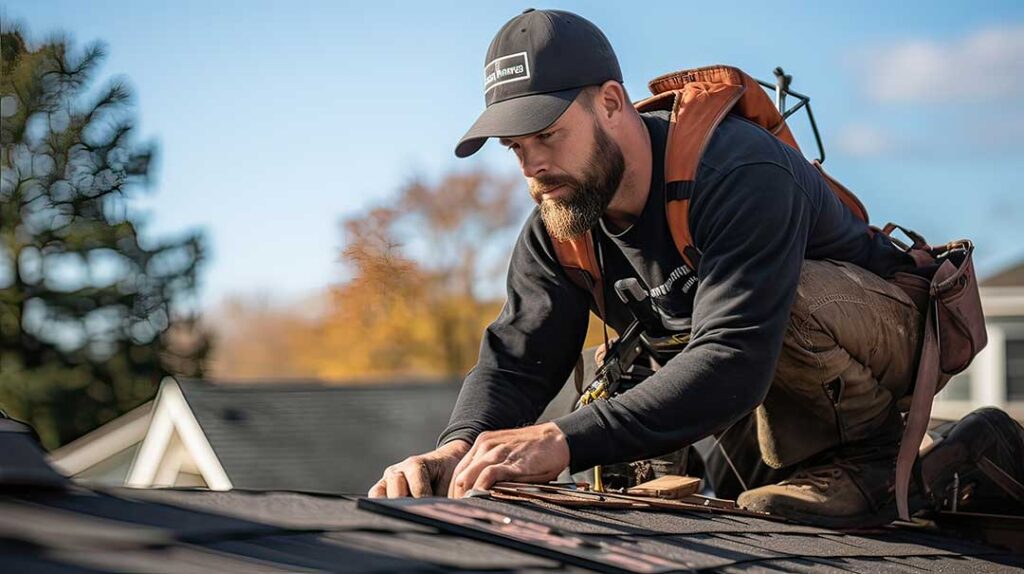
Roof problems are not always caused by wind, age, or heavy snow. In Greene, NY, small openings around the roofline can also allow squirrels, mice, bats, birds, raccoons, insects, and other pests into attics and wall cavities. Once inside, these animals may damage insulation, wiring, ventilation materials, and structural wood.
Understanding how pests enter is the first step toward preventing a minor gap from becoming a larger roofing or indoor-air problem.
Where do pests usually get into a roof?
Pests most often enter through roof edges, vents, chimneys, and areas where different building materials meet. Many openings are difficult to see from the ground because they are hidden beneath eaves, behind gutters, or near the upper edges of siding.
Common access points include:
- Loose or damaged soffits
- Gaps along fascia boards
- Broken or missing roof shingles
- Openings at roof-to-wall connections
- Damaged ridge, gable, or box vents
- Unscreened attic ventilation openings
- Gaps around plumbing vents and electrical penetrations
- Loose chimney flashing or uncapped chimney openings
- Areas where dormers, valleys, or additions meet the main roof
- Rotting wood around eaves and roof edges
A gap does not need to be large to become an entry route. Mice can use very small openings, while squirrels and raccoons may enlarge weak spots by chewing, pulling, or pressing against deteriorated materials.
How do animals reach the roof?
Most roof-invading animals do not need to climb directly up a smooth wall. Nearby trees, fences, utility lines, attached structures, and stacked firewood can provide access to the roofline.
Tree limbs that hang over a roof can give squirrels and other animals a direct path to shingles, vents, and eaves. Raccoons are strong climbers and may reach roof edges from trees, porch roofs, or nearby structures. Birds can enter through open vents or gaps under roof overhangs, while bats may use narrow openings near soffits, gable vents, and roof joints.
In older homes, repeated freeze-thaw cycles, wind, moisture, and ice can gradually loosen exterior materials. Snow and ice are not usually the direct cause of animal entry, but seasonal weather can expose weak points that pests later exploit.
Why are roof vents common entry points?
Roof vents are designed to move air through the attic, but damaged or unprotected vents can also allow pests inside. Vent screens may rust, tear, loosen, or become separated from the surrounding frame. Birds, bats, mice, and insects can then enter through the opening.
A vent can appear intact from the ground while still having a gap on the underside or at the connection with the roof deck. Plastic vent components may also crack with age or become brittle after repeated exposure to changing temperatures.
Vent protection must allow air to flow while blocking animals. Covering a vent with an unsuitable material can restrict ventilation and create moisture problems, so repairs should preserve the original airflow path.
Can pests enter through shingles?
Yes. Missing, lifted, cracked, or deteriorated shingles can expose the roof deck and create a path into the attic. Shingles may loosen around roof edges, valleys, penetrations, and areas that have experienced wind damage.
A small lifted shingle may not immediately cause an indoor leak, but it can allow insects or small animals to reach underlayment and wood sheathing. If the opening remains exposed, water intrusion may eventually add to the damage.
Animals may also take advantage of soft or rotted roof decking. Squirrels can gnaw weakened wood, and raccoons may pull apart deteriorated materials when searching for a dry nesting location.
What signs suggest pests are already inside?
The most noticeable sign is often noise. Scratching, gnawing, fluttering, or movement in the ceiling may indicate activity in the attic or roofline. Timing can provide clues, although it cannot identify the animal with certainty.
Other warning signs include:
- Droppings or urine stains
- Torn or displaced insulation
- Nesting material made from leaves, paper, or insulation
- Chewed wiring or wood
- Grease marks near a frequently used opening
- Feathers, fur, or insect remains
- Unusual odors
- Daylight visible through the roof or vent area
- Stains on attic rafters or ceiling surfaces
Squirrels are often active during daylight, while raccoons and some rodents may be more noticeable after dark. Bats may leave through small openings around dusk. These patterns are useful clues, but visual confirmation is safer than relying on sound alone.
Do pests damage the roof itself?
Pests can damage both the roof covering and the parts beneath it. Their activity may loosen shingles, enlarge gaps, tear vent screens, and disturb flashing. Nesting materials can block ventilation openings, while droppings and moisture can create unpleasant odors and encourage deterioration.
Rodents may chew electrical wiring, which can create a fire concern. Larger animals can compress or tear insulation and may damage drywall if they move into wall cavities. Moisture from a damaged roof opening can worsen the problem by softening wood and creating conditions that attract insects.
The damage is not always visible from inside the living space. An attic may look generally normal while a hidden section near the eaves contains nesting material, damaged wood, or contaminated insulation.
Should a roof opening be sealed immediately?
Not always. Sealing an active opening without knowing what is inside can trap animals, separate young from a parent, or force an animal to create a new exit through another part of the building.
This is especially relevant with bats, birds, raccoons, and squirrels. The appropriate approach depends on the species, the season, and whether nesting or young animals are present. A temporary observation period may help determine whether an opening is active.
Once the space is confirmed to be empty, the repair should address the full weakness rather than covering only the visible hole. Durable materials such as properly fitted metal flashing or heavy-duty screening are generally more reliable than soft materials that animals can chew.
How can households reduce the risk?
Routine inspections are most useful before the colder months and after periods of strong wind, heavy rain, or ice. From the ground, residents can look for lifted shingles, loose soffits, damaged vent covers, gaps at roof intersections, and branches touching the roof.
Other practical steps include:
- Keep tree limbs trimmed away from roof surfaces where feasible.
- Secure attic and roof vent screens without blocking ventilation.
- Keep chimney openings properly protected while maintaining safe exhaust flow.
- Store firewood and outdoor materials away from the walls of the home.
- Avoid placing bird food where it attracts animals directly beneath the roofline.
- Repair leaking gutters and downspouts that keep eaves and fascia damp.
- Check attic spaces for daylight, odors, droppings, and disturbed insulation.
- Do not handle bats, raccoons, or unknown droppings with bare hands.
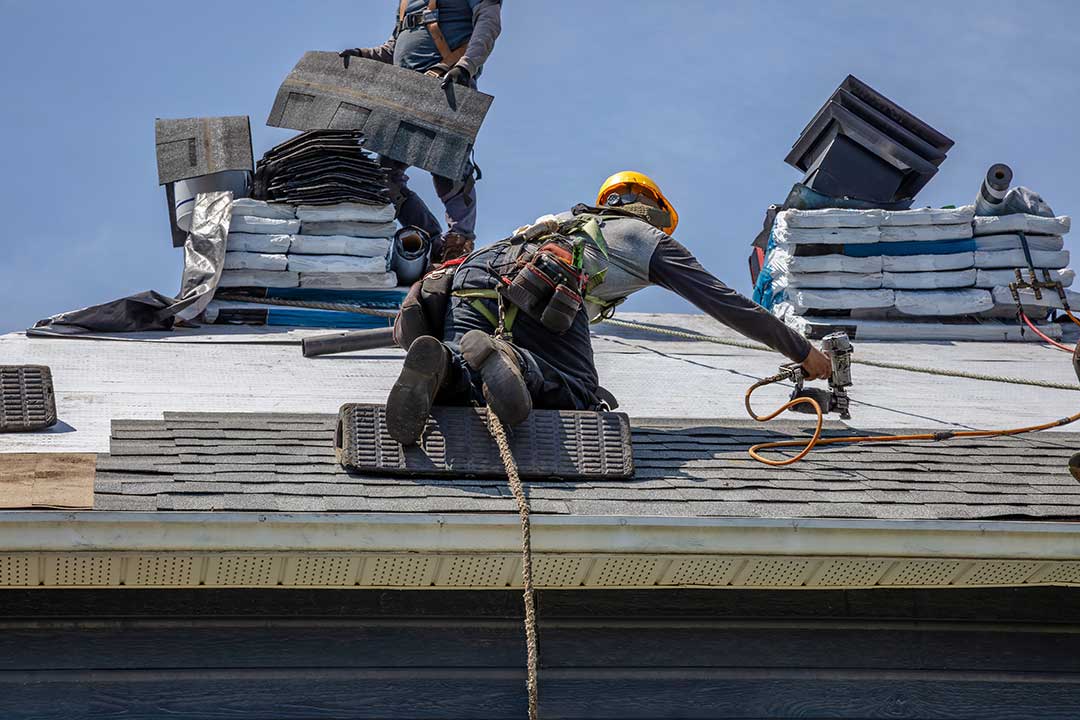
Roof access can be hazardous, particularly when shingles are wet, icy, steep, or weakened. Active wildlife, electrical damage, contaminated insulation, or uncertain animal activity may require specialized safety measures rather than a simple patch.
For homes in Greene, NY, seasonal roof inspections can be especially useful because changing temperatures, winter moisture, and aging exterior materials may gradually create the small openings pests need. Finding and correcting those weak points early helps protect both the roof and the living space beneath it.
