
Hail damage is not always dramatic. A roof can look intact from the ground while individual shingles, flashing, vents, or gutters have been weakened by falling ice. For residents in Greene, NY, knowing what to look for after a severe thunderstorm can help distinguish ordinary aging from storm-related damage and identify problems before water enters the home.
What does hail damage on a roof look like?
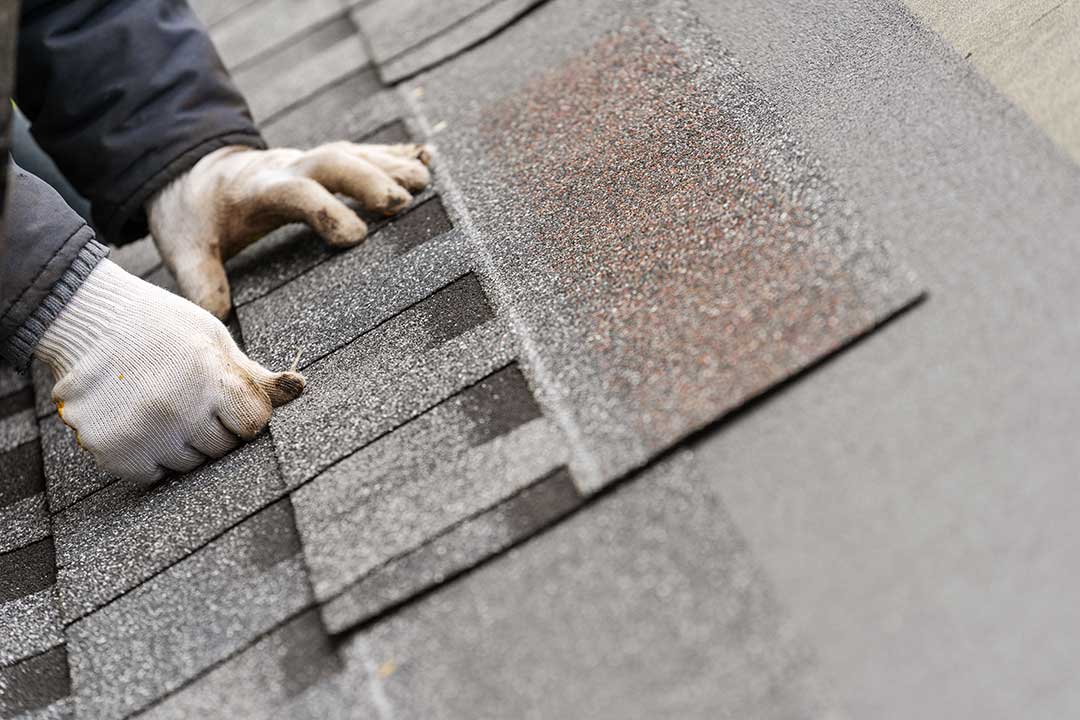
Hail damage often appears as small, irregular impact marks, exposed areas, dents, or missing protective granules. The most affected parts are usually roof surfaces that directly face the storm, along with softer materials such as vents, skylight coverings, gutters, and downspouts.
On asphalt shingles, look for:
- Round or irregular dark spots where granules have been knocked away
- Bruised areas that feel soft or slightly spongy
- Cracks, splits, or shallow depressions
- Exposed black or gray matting beneath the granules
- Shingles with loosened, broken, or missing edges
- Small piles of roof granules in gutters or at the base of downspouts
A hail mark does not always look like a perfect circle. Wind can move hail across the roof, and the angle of impact may produce elongated marks, shallow dents, or small tears.
How can hail damage be checked safely from the ground?
A ground-level inspection can reveal warning signs without requiring anyone to climb onto the roof. Use binoculars if available and look along the roof edges, ridges, valleys, and areas around roof penetrations.
Check for:
- Shingles that appear uneven, lifted, or displaced
- New dark patches or areas with noticeably fewer granules
- Bent or dented metal flashing
- Damage to ridge vents, plumbing vent collars, or attic ventilation covers
- Loose pieces of roofing material in the yard
- Dented gutters, downspouts, window trim, or exterior air-conditioning components
- Hailstones or piles of ice that remained after the storm
After a storm, examine the ground around the home as well. Damaged shingles may not be obvious from above, but fragments can collect near foundation walls, porches, or entrances.
Do not walk on a roof to investigate. Wet shingles, steep slopes, damaged decking, and hidden weak spots create fall hazards, especially immediately after a storm.
What is the difference between hail damage and normal shingle aging?
Normal aging usually affects broad areas gradually. Hail damage is more likely to appear as scattered impact points or concentrated damage on roof planes exposed to the storm.
Aging shingles may show:
- Widespread granule loss
- Dry, brittle surfaces
- Curling or cracking along many shingle edges
- Repeated wear near roof valleys and high-flow drainage areas
- General fading from years of sun exposure
Hail damage tends to be more localized. A roof may look relatively normal overall while several shingles have isolated bruises or broken protective surfaces.
The distinction can be difficult because an older roof may have both conditions at once. Sun exposure, freeze-thaw cycles, wind, and ordinary weathering can make storm marks harder to identify. A soft spot or impact depression is more concerning than simple discoloration.
Can hail damage cause a leak right away?
Sometimes, but not always. Hail may puncture or split a shingle, creating an immediate path for water. In other cases, the damage only removes surface granules or weakens the shingle, allowing later rain, ice, and temperature changes to worsen the defect.
Signs of possible interior water entry include:
- Brown or yellow ceiling stains
- Damp attic insulation
- Water marks on rafters or roof decking
- Musty odors in the attic
- Peeling paint near upper-floor ceilings
- Drips around chimneys, skylights, or attic access areas
- Moisture appearing after rain even when the sky has cleared
A ceiling stain may not be directly below the damaged area. Water can travel along roof decking, rafters, insulation, or framing before becoming visible indoors.
If water is actively entering the home, place a container beneath the leak and move belongings away from the area. Avoid touching wet electrical fixtures or wiring.
Which roof components should be checked besides shingles?
Hail can damage more than the main roof covering. Metal and plastic components may show dents or cracks that are easier to see than shingle bruising.
Inspect from a safe location:
- Gutters and downspouts for dents, bends, or separated joints
- Aluminum drip edges and exposed flashing
- Roof vents and vent caps
- Skylight domes or protective coverings
- Chimney caps and metal chimney flashing
- Siding, window trim, screens, and exterior doors
- Deck railings, fences, and outdoor equipment
Damage to several outdoor surfaces can help establish that a storm affected the property, even if the roof itself is difficult to view. However, dents on gutters alone do not prove that shingles are damaged. Each roof surface needs to be assessed separately.
Why do hail and winter conditions matter in Greene, NY?
Seasonal weather can make roof damage less obvious over time. After a hailstorm, later rain, wind, freezing temperatures, and snow may cover, enlarge, or alter the original impact marks.
A roof in this region may also experience repeated freeze-thaw movement. Water entering a small crack can freeze and expand, placing additional stress on shingles, flashing, and roof joints. Snow and ice can hide exterior evidence while interior staining continues to develop.
For that reason, a quick visual check after a severe storm is useful even if there is no immediate leak. Photographs taken from the ground can also document the roof, gutters, siding, and yard before later weather changes the appearance.
Should hail damage be documented?
Yes. Clear documentation can help separate storm damage from later wear and can be useful for household records.
Photograph:
- The date and general weather conditions
- The roof from each visible side of the home
- Close views of suspected impact marks
- Damaged gutters, vents, siding, windows, or outdoor equipment
- Shingle fragments or granules found on the ground
- Any interior stains, damp materials, or active leaks
Do not alter or discard damaged materials before they have been documented. Keep notes about when the storm occurred, when damage was noticed, and whether water entered the home afterward.
When is a roof inspection necessary?
A qualified inspection is appropriate when damage is suspected but cannot be safely or clearly evaluated from the ground, particularly if the roof is steep, wet, covered with debris, or difficult to access. Inspection is also warranted when there is an active leak, visible shingle loss, damaged flashing, or evidence of attic moisture.
Not every hailstorm damages every roof, and not every dark spot indicates hail. The most reliable evaluation considers the roof’s age, material, exposure, previous condition, storm direction, and the location and pattern of the marks. Safety should take priority over climbing, lifting shingles, or attempting temporary repairs during unstable weather.
