
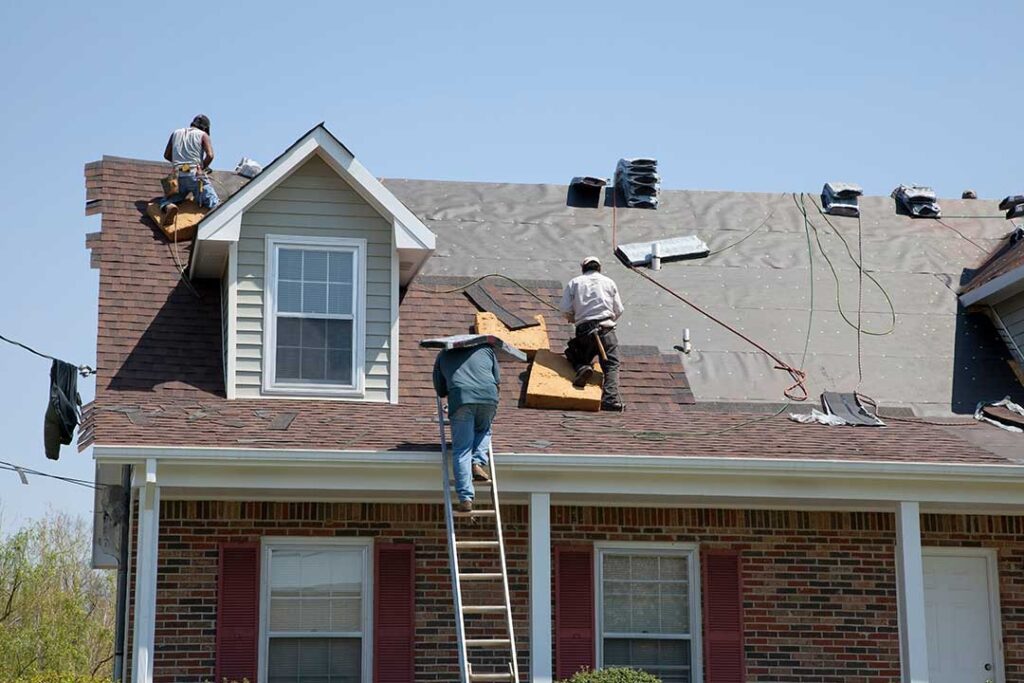
Roof repairs can become urgent after wind, heavy rain, ice, or fallen branches. In Greene, NY, seasonal weather can expose weak shingles, damaged flashing, leaks around chimneys, and problems that were not visible from the ground. That urgency is exactly what roofing scammers try to exploit.
A trustworthy roofing process leaves time for questions, provides written details, and does not depend on fear or pressure. The following warning signs can help residents protect their homes, money, and insurance claims.
What are the most common roofing scams?
The most common scams involve unsolicited inspections, exaggerated damage claims, large deposits, vague contracts, and contractors who disappear before completing the work.
Some scams are obvious, such as a person demanding cash immediately after knocking on the door. Others appear more legitimate and may involve professional-looking paperwork, temporary phone numbers, or claims that insurance will “cover everything.”
Common examples include:
- Storm-chasing crews: Workers travel into an area after severe weather, seek quick jobs, collect deposits, and leave before problems become apparent.
- False emergency claims: A person says the roof is about to collapse or that repairs must begin immediately, even when there is no evidence of an urgent structural danger.
- Free inspection traps: An inspection is advertised as free, but the homeowner is pressured into signing a contract before receiving a clear written report.
- Insurance manipulation: A contractor offers to inflate the repair price, exaggerate damage, or handle an insurance claim in a way the homeowner does not fully understand.
- Low-price baiting: A very low starting price is presented verbally, followed by added charges for decking, flashing, disposal, ventilation, or “unexpected” repairs.
- Deposit-and-disappear schemes: A large payment is collected, materials never arrive, and phone calls or messages stop being returned.
A damaged roof should be addressed promptly, but prompt action does not require signing a blank or incomplete agreement.
What warning signs should homeowners watch for?
High-pressure behavior is one of the clearest warning signs. A legitimate contractor should allow time to review the proposal, compare options, and ask questions.
Be cautious if someone:
- Arrives without being invited and insists that damage must be repaired that day
- Claims to have extra materials left over from another nearby job
- Refuses to provide a verifiable business name, physical address, or working phone number
- Wants payment in cash only
- Requests a large deposit before the scope of work is written down
- Discourages a second opinion
- Says a written contract is unnecessary
- Provides only a verbal price
- Asks the homeowner to sign over insurance benefits without a full explanation
- Cannot explain who will perform the work or whether subcontractors will be used
- Offers a discount only if the agreement is signed immediately
A contractor’s vehicle, clothing, or paperwork does not prove reliability. Basic information should be independently verified rather than accepted at face value.
How can a homeowner verify a roofing contractor?
Verification means checking more than online reviews. Ask for references from recent roofing projects and follow up with those property owners. If possible, view completed work from a safe location rather than relying only on photographs.
Request proof of current liability insurance and workers’ compensation coverage where applicable. Insurance matters because a worker injury or property accident can create serious complications for the homeowner.
Confirm the contractor’s legal business identity and address. Be cautious when the only contact information is a mobile number, temporary email address, or social media account. A business that cannot be located after a dispute is much harder to hold accountable.
New York does not require the same statewide home-improvement license for every roofing contractor. Licensing requirements can depend on the location and type of work. Residents should verify any requirements that apply locally instead of assuming that a contractor’s statement is accurate.
In Greene, roofing permits are required for roof replacement and roof recover work. The property owner and contractor share responsibility for making sure required approvals are obtained before work begins. A promise to “take care of the permit later” is a warning sign.
What should a roofing contract include?
For home-improvement work costing more than $500, New York requires a written contract with specific information. A roofing agreement should clearly identify the contractor, describe the work, state the materials to be used, list the price, and provide approximate start and completion dates.
Read the contract before signing and make sure it addresses:
- Removal and disposal of existing roofing materials
- Shingle or roofing material type, color, and manufacturer
- Underlayment, flashing, ventilation, and ice-barrier details
- Replacement of damaged roof decking and how extra work will be priced
- Protection of landscaping, siding, windows, and other property
- Cleanup, magnetic nail removal, and disposal
- Payment schedule and deposit amount
- Warranty terms and who is responsible for warranty service
- Permit responsibilities and inspection requirements
- Procedures for written change orders
Never sign a contract with blank spaces. Keep a complete copy, including attachments, estimates, warranty documents, and any text or email messages that change the agreement.
New York home-improvement contracts generally include a three-business-day cancellation right, subject to specific exceptions. That right is not a substitute for reading the contract before signing, but it can provide additional protection against rushed decisions.
How much should a homeowner pay upfront?
The full roofing price should not be paid before the work is completed. A reasonable payment schedule should match progress on the project rather than a contractor’s sudden demand for money.
Ask what the deposit covers and how it will be held. New York requirements address the handling of advance payments on covered home-improvement work, including escrow-related obligations. A contractor who refuses to explain how deposits are handled deserves extra caution.
Avoid paying with cash when possible. Use a payment method that creates a record, and keep receipts. Do not make the final payment until the agreed work is complete, cleanup has been performed, required inspections have been addressed, and visible problems have been documented.
How should insurance be handled after roof damage?
The homeowner should contact the insurance company directly before authorizing major work, unless immediate temporary action is needed to prevent additional damage. Ask what documentation is required and whether an adjuster needs to inspect the roof.
A contractor should not tell a homeowner to misrepresent the age, cause, or extent of damage. Do not sign forms that are not understood, particularly assignments of insurance benefits or documents authorizing broad financial control.
Take dated photographs of damaged shingles, interior water stains, fallen branches, damaged gutters, and temporary coverings. Keep copies of inspection reports, claim communications, receipts, and repair proposals.
Emergency measures such as placing a temporary cover over an opening or removing an immediate hazard may be necessary. Permanent replacement should still be documented carefully.
What should someone do after discovering a possible scam?
Stop making additional payments and preserve all records. Save the contract, receipts, canceled checks, payment confirmations, photographs, inspection reports, text messages, emails, and voicemails.
Notify the insurance company if an insurance claim is involved. If the contractor caused new damage, document it before cleanup or further repairs whenever safety allows.
A homeowner may also report suspected fraud to local law enforcement, the New York Attorney General’s consumer protection office, or the appropriate state consumer protection agency. Legal deadlines can apply to contract cancellation, claims, and lawsuits, so prompt legal advice may be necessary when substantial money or property damage is involved.
The safest roofing decisions are usually the least rushed ones: verify the contractor, compare written proposals, confirm permit requirements in Greene, keep control of insurance communications, and pay only according to a clear written agreement.
