
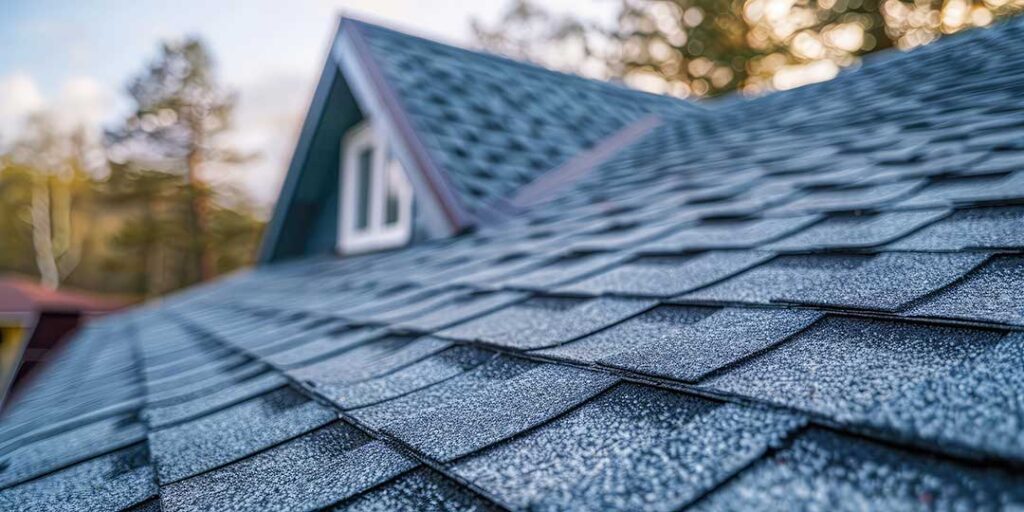
Replacing only part of a roof can be more complicated than choosing a color from a sample board. Shingles age, fade, weather differently, and may no longer be manufactured in the same style. A close visual match is possible in many cases, but an exact match is not always realistic.
Can replacement shingles be matched exactly?
Usually, replacement shingles can be matched closely, but an exact match may be difficult if the existing roof is more than a few years old.
The original shingles may have changed color from sunlight, rain, snow, airborne dirt, algae, and seasonal temperature swings. Even shingles from the same product line can look different after years of exposure. A new bundle placed beside weathered shingles often appears brighter or more saturated.
Several details affect the match:
- Manufacturer and product line
- Shingle type, such as three-tab or architectural
- Color blend and pattern
- Shingle dimensions
- Surface texture and thickness
- Exposure, or the portion visible after installation
- Roof slope and viewing angle
- Amount of weathering on the existing roof
For a roof in Greene, NY, seasonal conditions can make these differences more noticeable. Snow, freeze-thaw cycles, damp periods, and strong summer sunlight all influence how roofing materials age.
What information is needed before selecting shingles?
The most useful starting point is identifying the existing shingle as accurately as possible. A roofing label, leftover bundle, installation record, or building paperwork may provide the manufacturer, product name, color, and manufacturing period.
If no records remain, examine an undamaged shingle from the roof. Important characteristics include:
- Whether the shingle has one consistent tab pattern or a dimensional appearance
- The number and shape of cutouts
- The approximate length and width
- The color pattern across each shingle
- Whether the surface has exposed granules, raised ridges, or shadow lines
- The thickness compared with current products
A photograph can help with preliminary comparison, but it may distort color because of sunlight, camera settings, and surrounding surfaces. Physical samples viewed outdoors in daylight provide a more reliable comparison.
Should the replacement be the same color or the same pattern?
The pattern is often just as important as the color. A shingle that has a similar gray or brown tone may still look wrong if its shadow lines, cutouts, or color variation differ from the existing roof.
Architectural shingles typically contain several tones and irregular shadow patterns. Matching only the dominant color may produce a patch that stands out. Three-tab shingles have a more repetitive appearance, but differences in tab spacing or color bands can still be visible.
Compare samples for:
- Overall base color
- Light and dark streaks
- Shape of the lower edge
- Granule size
- Shadow pattern
- Thickness and profile
- Visible area after installation
A sample should be viewed from the ground as well as close up. Roofing is usually seen from a distance, so the way the colors blend across several shingles matters more than how one shingle looks in a hand.
Where should matching samples be taken?
Samples should be compared against more than one area of the roof. Shingles may weather unevenly because of roof orientation, shade, nearby trees, ventilation, and exposure to moisture.
A south-facing or unobstructed roof plane may fade differently from a shaded plane. Sections below roof valleys, near dormers, or beneath overhanging branches may collect more debris and moisture. Areas near plumbing vents or other penetrations can also age differently.
If a small repair is needed, the most accurate comparison usually comes from shingles on the same roof plane. A sample from another side of the house may be the same original product but have a noticeably different weathered appearance.
Is it better to use old shingles from another part of the roof?
Sometimes, but removing shingles from another area creates a second repair location and may damage surrounding materials. Older shingles also become more brittle, especially after years of cold winters and repeated temperature changes.
Salvaged shingles may be useful when:
- The matching product is discontinued
- A small number of shingles are needed
- Spare shingles were saved from the original installation
- The roof has enough remaining flexibility for careful removal
Stored spare shingles are often the best match because they have the same product and color but have not weathered. However, they should be checked for brittleness, cracking, warped edges, and damaged adhesive strips before use.
What if the original shingle is discontinued?
A discontinued shingle can sometimes be matched through remaining inventory, salvaged material, or a visually similar current product. The goal should be a compatible repair, not merely a similar color.
A substitute should have suitable:
- Dimensions
- Installation method
- Exposure
- Thickness
- Wind-resistance characteristics
- Compatibility with the existing roof system
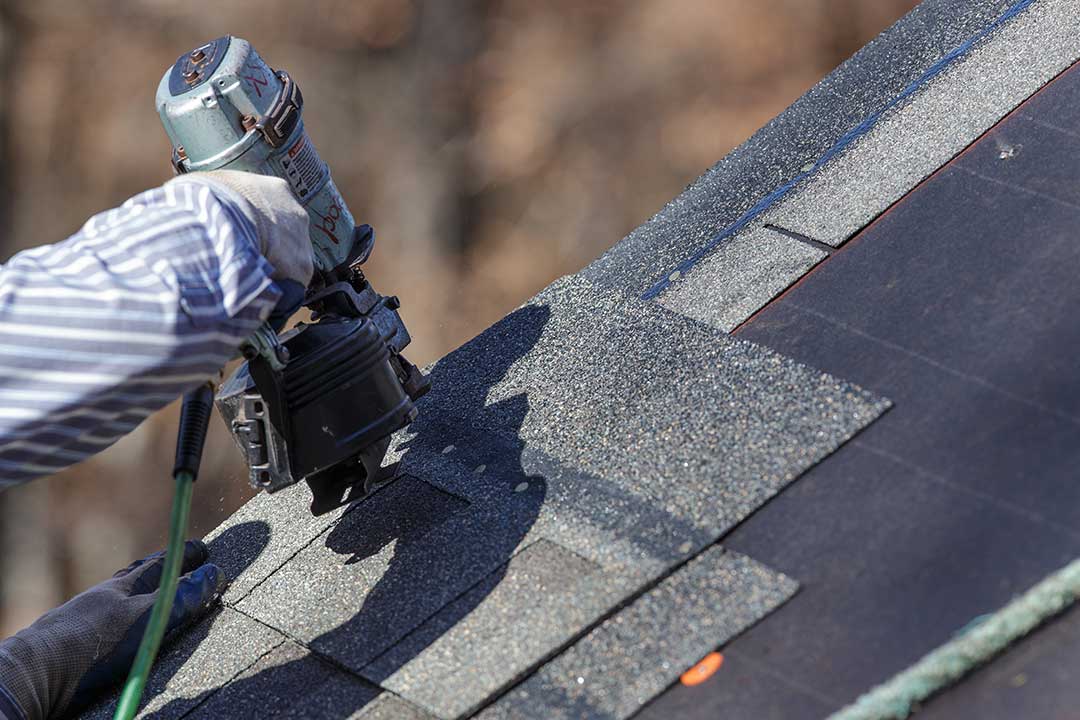
Mixing shingles with different dimensions or exposure can create uneven courses. A mismatch may also interfere with proper sealing, water shedding, or alignment. A product that looks similar in a package may not install correctly beside older shingles.
For that reason, product compatibility should be confirmed before purchasing materials, especially when the repair involves multiple courses or a roof edge.
Can shingles be blended to make the repair less visible?
Blending can reduce the appearance of a patch, but it cannot make significantly different shingles disappear. A repair may be less noticeable if matching shingles are distributed across a small area rather than concentrated in one sharply defined rectangle.
Blending is more practical when:
- The color difference is modest
- The roof already has a varied color pattern
- The repair is on a less visible roof plane
- Several replacement shingles are available
- The existing shingles are not severely weathered or brittle
A patch may remain visible from certain angles or in wet weather. Darker, freshly installed shingles can look especially different after rain because new granules reflect light differently from aged surfaces.
When does a partial repair make sense?
A partial repair makes sense when the damage is limited and the surrounding shingles remain in good condition. Examples include a few wind-damaged shingles, a localized impact, or damage near a roof penetration.
A larger repair may be less practical if surrounding shingles are brittle, curled, heavily worn, or losing granules. Removing old shingles in poor condition can cause additional breakage. In that situation, the visible patch may be only one part of a broader aging problem.
Signs that the roof should be evaluated as a system include:
- Widespread curling or cracking
- Granules collecting in gutters
- Repeated leaks in different locations
- Dark moisture stains on roof sheathing or ceilings
- Sagging areas
- Numerous missing shingles
- Exposed or deteriorated underlayment
Roof repairs also require attention to hidden components, including flashing, underlayment, roof decking, ice-barrier materials, and ventilation. Replacing the surface shingle alone may not correct water entry if the underlying issue is elsewhere.
How can homeowners avoid a poor color match?
Before purchasing materials, place several candidate samples directly against the existing roof and view them in different conditions. Morning, midday, and overcast light can make the same color appear different.
Keep these practices in mind:
- Use samples rather than relying only on online color charts.
- Compare several shingles together, not one isolated piece.
- Look at the roof from normal viewing distances.
- Check both dry and damp appearance when possible.
- Save leftover shingles from any future installation.
- Record the product name, color, and installation date.
- Do not assume a familiar color name means the same appearance across manufacturers.
For homes in the area, planning repairs before severe winter weather is useful because cold temperatures can make asphalt shingles less flexible and harder to work with. Wet surfaces, snow, ice, and high winds also make roof access hazardous. Repairs involving steep slopes, fragile materials, structural damage, or active leaks may require appropriate safety equipment and specialized judgment.
The most dependable match combines visual comparison with physical compatibility. A replacement shingle should fit the existing roof’s pattern, dimensions, and installation method—not just resemble it from the driveway.
