

A roof problem that looks minor from the ground can become a costly building problem over time. Missing shingles, a small ceiling stain, or a loose section of flashing may allow water to reach insulation, wood framing, drywall, wiring, and personal belongings.
For households in Greene, NY, seasonal weather adds stress to roofing systems. Freeze-thaw cycles, heavy rain, wind, snow, ice buildup, and summer heat can all enlarge an existing weakness. The financial impact usually comes not from the original defect, but from the additional damage that develops after it is ignored.
What happens if a roof leak is left untreated?
A roof leak rarely stays limited to the spot where water first appears. Water can travel along roof decking, rafters, insulation, and ceiling materials before becoming visible inside the home.
The first signs may include:
- A brown or yellow ceiling mark
- Peeling paint or bubbling drywall
- Damp insulation
- Musty odors
- Dripping after rain
- Darkened wood in an attic
- Water around a chimney, vent, skylight, or wall intersection
A stain may dry after a storm, but that does not mean the roof has stopped leaking. The opening may only allow water inside during wind-driven rain or when snow melts in a particular direction.
Repeated wetting can weaken ceiling materials and create conditions for mold growth. If the leak reaches electrical components, the concern becomes more serious because moisture and wiring can create a fire or shock hazard.
Why can a small roof repair turn into a major expense?
Roofing systems protect several layers of a home. The outer covering sheds water, while underlayment, flashing, roof decking, insulation, ventilation, and interior finishes provide additional protection.
Ignoring one damaged area can affect each layer below it. For example, a lifted shingle may allow water to reach the underlayment. Continued exposure can damage the wood decking. If the decking softens, fasteners may lose their holding strength and nearby roofing materials may become less secure.
A simple repair may then involve:
- Removal of additional roofing materials
- Replacement of damaged decking
- Repairs to insulation or framing
- Interior ceiling or wall restoration
- Drying and cleaning of damp areas
- Examination of nearby flashing and ventilation components
The longer moisture remains present, the more likely the repair will involve several materials instead of one localized defect.
Can a roof leak cause mold or indoor air problems?
Yes. Mold can develop when building materials remain damp, particularly in dark, poorly ventilated spaces such as attics, wall cavities, and areas above ceilings.
A roof leak does not automatically mean a home has a mold problem. The risk depends on how much water entered, how long materials stayed wet, temperature, airflow, and the type of material affected. Porous materials such as insulation, drywall, and untreated wood can hold moisture longer than smooth surfaces.
Musty odors, recurring discoloration, damp insulation, or visible growth are reasons to investigate the source of moisture rather than simply covering the affected area with paint. Painting over a stain may hide the appearance while leaving wet materials and the underlying leak unresolved.
How do winter conditions affect neglected roof damage?
Cold weather can make an existing roof defect more difficult to manage. Water that enters a crack or opening may freeze and expand, widening the damaged area. Repeated freezing and thawing can loosen roofing materials, split sealants, and enlarge gaps around flashing.
Snow and ice can also conceal damage. A roof may appear intact from the ground while water is entering through a failed seal, damaged shingle, or blocked drainage path.
Ice dams are another concern when snow melts on a warmer portion of the roof and refreezes near a colder edge. The resulting ice can restrict drainage and force water beneath roofing materials. Poor attic insulation or inadequate ventilation can contribute to uneven roof temperatures, although ice dams can have several causes.
Removing snow or ice from a roof can be hazardous. Walking on an icy roof, using tools from a ladder, or pulling down heavy ice near electrical lines can lead to falls or property damage. Safety concerns may require trained assistance rather than a do-it-yourself approach.
What damage can wind and storms create?
Wind does more than remove entire sections of roofing. It can lift shingle edges, loosen flashing, expose fasteners, and create openings that are difficult to see from the yard.
After a strong storm, overlooked damage may include:
- Torn or folded shingles
- Missing ridge or edge materials
- Loose metal flashing
- Damaged vents
- Fallen branches that weakened the roof surface
- Clogged gutters or downspouts
- Punctures in low-slope roofing areas
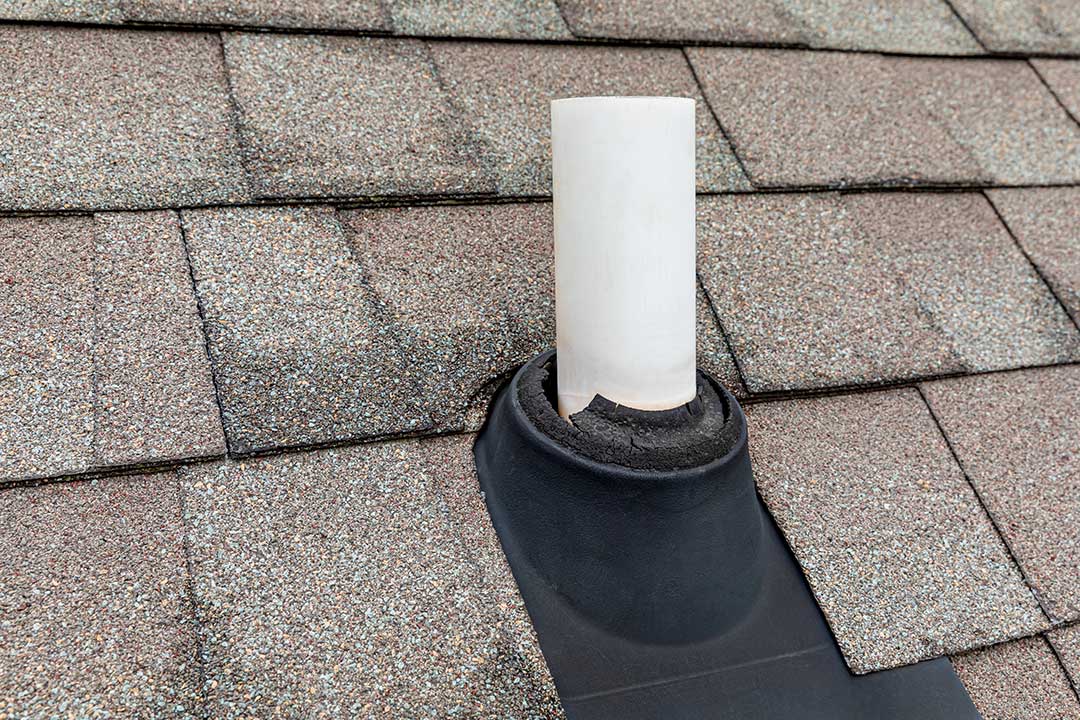
A roof does not need to look severely damaged to have lost its ability to shed water properly. Wind-driven rain can enter beneath lifted materials, especially around roof edges, penetrations, and transitions.
Does ignoring a roof problem affect insulation and energy use?
It can. Wet insulation loses effectiveness and may remain compressed or damaged even after the visible leak stops. Moisture can also affect attic ventilation and contribute to uneven temperatures across the roof.
During winter, these conditions may increase heat loss through the upper part of the home. During summer, damaged insulation can make the attic hotter and place more strain on cooling systems. Energy costs are influenced by many factors, so a roof problem is not always the primary cause of higher bills. However, persistent moisture and damaged insulation can reduce the building envelope’s performance.
Can roof neglect affect home insurance coverage?
Insurance policies differ, and coverage depends on the cause of damage, policy language, maintenance history, and documentation. Sudden storm damage may be treated differently from deterioration that developed gradually.
A long-standing leak can create questions about whether damage was preventable or whether the condition resulted from deferred maintenance. Homeowners should avoid assuming that every roof-related loss will be covered.
Keeping dated photographs, repair records, inspection notes, and storm-related documentation can help establish what happened and when. Any insurance decision should be based on the individual policy and the facts of the loss.
Which roof problems should be treated as urgent?
Some conditions should not wait because they involve immediate safety or rapid water entry:
- Active water near light fixtures, outlets, or electrical equipment
- A sagging ceiling or roof surface
- Large areas of missing roofing
- Water entering during current rainfall
- Exposed electrical wiring
- Structural wood that appears cracked, soft, or severely deteriorated
- A fallen tree or large branch resting on the roof
- Roof access made dangerous by ice, steep slopes, or unstable surfaces
If a ceiling is bulging from trapped water, people should stay clear of the area beneath it. Turning off power to a wet electrical area may be appropriate only when it can be done safely without entering standing water or touching wet equipment.
How can residents identify roof problems early?
A seasonal visual check from the ground can reveal warning signs without requiring anyone to climb onto the roof. Look for missing or curled shingles, sagging lines, damaged flashing, excessive granules in gutters, and debris resting on the roof.
Inside the home, inspect the attic and upper ceilings after major rain or wind. Pay attention to damp insulation, daylight visible through the roof deck, water trails, and musty smells.
Gutters and downspouts also deserve attention. They are not the roof itself, but clogged or damaged drainage can send water against fascia boards, siding, foundations, and roof edges. Keeping drainage paths clear can reduce one common source of moisture damage.
The true cost of delaying a roof repair is often the cost of connected damage: wet insulation, weakened decking, stained ceilings, mold-prone materials, damaged belongings, and disrupted living space. Early investigation does not guarantee a minor repair, but it gives the building a better chance of containing the problem before one defect becomes several.
