
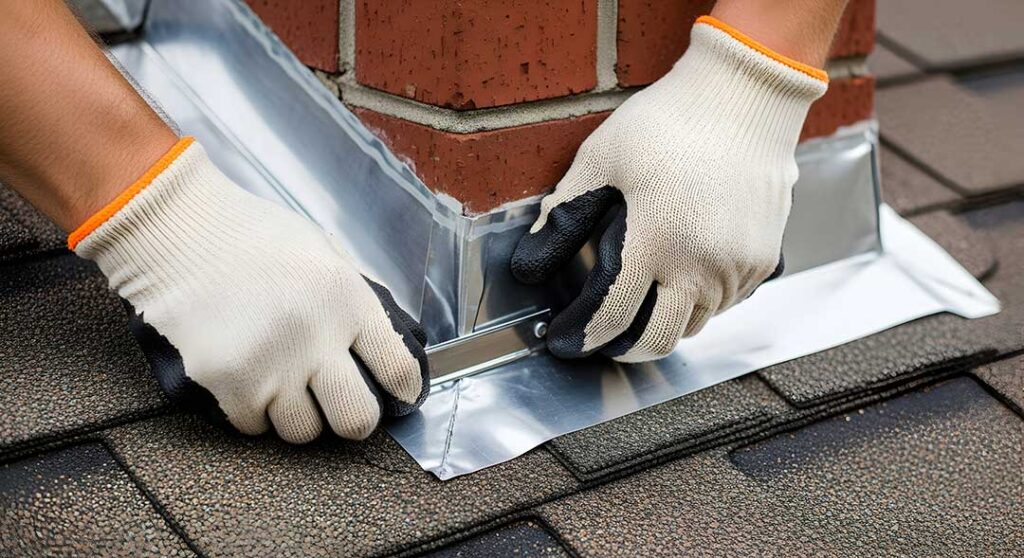
Home renovations can expose a roof to punctures, leaks, falling materials, and weather-related damage. Careful planning helps protect the roofing system while walls are opened, equipment is moved, and new construction connects to the existing structure.
In Greene, NY, renovation work may take place during changing weather, including rain, wind, freezing temperatures, and periods of snow. Roofing protection should therefore be treated as part of the project plan rather than an afterthought.
Which renovation activities can damage a roof?
Roof damage can occur even when the work itself is not focused on the roof. Additions, attic conversions, chimney work, solar installation, siding replacement, window projects, and exterior painting can all affect roofing materials.
Common risks include:
- Ladders resting against shingles, gutters, or flashing
- Scaffolding concentrated over one section of the roof
- Tools, fasteners, or scrap materials left behind
- Workers walking on brittle or weathered shingles
- Temporary openings around chimneys, vents, skylights, or walls
- Debris sliding down roof slopes
- Improperly sealed areas where new construction meets the existing roof
- Tarps that trap water or rub against roofing materials in the wind
Even a small puncture may allow water to enter beneath shingles. The resulting moisture can affect roof sheathing, insulation, framing, ceilings, and interior finishes.
How should the renovation be planned before work begins?
The safest approach is to identify roof-related risks before materials arrive. A basic pre-project inspection should document the roof’s condition, including existing leaks, loose shingles, damaged flashing, soft decking, clogged drainage areas, and areas that are difficult to access.
Photographs are useful for recording the condition of:
- Roof edges and valleys
- Flashing around chimneys, walls, and vents
- Gutters and downspouts
- Skylights and other roof penetrations
- Interior ceilings and attic areas below the work zone
This record can help distinguish pre-existing damage from damage caused during construction. It also makes it easier to notice changes after storms or major work phases.
The renovation plan should identify where workers will walk, where materials will be stored, and how waste will be removed. Roof surfaces should not be used as general storage areas. Concentrated piles of lumber, roofing materials, tools, or masonry products can stress the roof structure and damage the covering.
What is the safest way to use ladders and scaffolding near a roof?
Ladders and scaffolding should be positioned so they do not press against gutters, drip edges, roof edges, or fragile roofing materials. A ladder resting directly on shingles can loosen the surface and create wear in one concentrated location.
Where access near the roof is necessary, protective padding and properly placed supports can reduce abrasion. However, padding does not correct an unstable setup or make an unsafe climbing area acceptable.
Scaffolding should be installed on stable ground and should not transfer excessive pressure to a roof edge or overhang. Materials should not be tossed onto the roof from scaffolding, windows, or upper floors. Falling objects can crack shingles, dent metal components, damage flashing, or puncture membranes.
Construction access also needs to account for snow and ice. A roof, ladder, or scaffold that appears usable in dry weather may become hazardous after freezing precipitation or a rapid temperature change.
How can a roof be protected from falling debris?
A clean, controlled work area is more effective than relying on a tarp placed over everything. Workers should use designated drop zones, chutes, bins, or ground-level collection areas whenever possible.
Roof protection may include temporary walk boards, protective panels, or purpose-built coverings. These materials must be secured so they do not slide, scrape the roof, block drainage, or create a trip hazard. Protection should be compatible with the roof covering; a method suitable for a low-slope membrane may not be appropriate for asphalt shingles or older materials.
After each workday, the roof and surrounding grounds should be checked for:
- Nails, screws, staples, and metal fragments
- Broken shingles or exposed underlayment
- Damaged flashing
- Scraped gutters or downspouts
- Piles of leaves, sawdust, or construction dust
- Blocked drains, valleys, or roof edges
Magnetic sweeping can help collect some metal debris from the ground, but it does not replace a visual inspection of the roof and gutters.
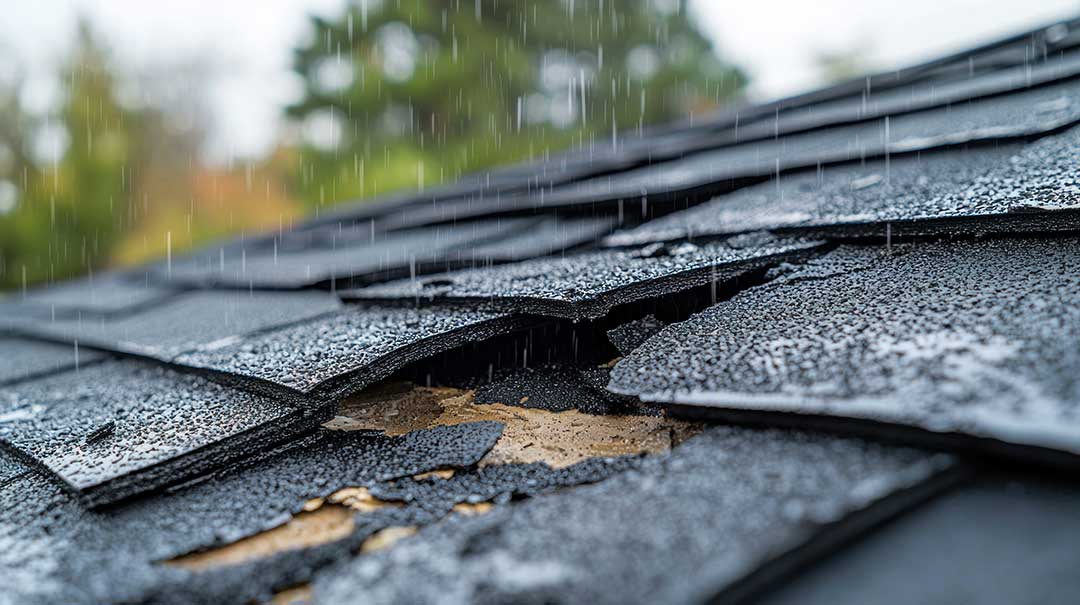
How should temporary roof openings be covered?
Any opening in the roof needs a properly secured temporary covering before work stops, especially overnight or during a period of changing weather. A loose tarp is not a complete waterproofing system. Wind can lift it, water can collect beneath it, and fasteners can damage the roofing surface.
Temporary protection should direct water away from the opening and maintain a secure seal around exposed edges. Openings near walls, chimneys, vents, or skylights require particular care because water can enter through several intersecting surfaces.
Interior protection is also useful. Plastic sheeting, containers, and temporary barriers may reduce damage if a small leak develops, but these measures should not be treated as a substitute for stopping water entry at the roof.
Renovation schedules should include a weather check before removing roofing materials or opening an exterior wall. If rain, strong wind, snow, or freezing conditions are expected, exposed areas may need to be reduced or covered earlier than planned.
What should be considered when adding a room or changing the roofline?
New additions often create the highest risk because the existing roof must connect with new walls, framing, insulation, and drainage details. The connection should be designed so water flows continuously away from the joint rather than collecting where the old and new structures meet.
Important details include:
- Proper step flashing where a roof meets a wall
- Counterflashing at masonry surfaces
- Correct underlayment overlap
- Adequate drainage at valleys and low points
- Properly sized gutters and downspouts
- Ventilation continuity where applicable
- Careful treatment of snow-shedding areas
A roof can appear sound from the ground while still having a weak connection beneath the shingles. Leaks at additions may not show indoors until water has traveled along framing or insulation.
The roof structure should also be reviewed before heavy materials are stored overhead or new loads are added. Older homes, garages, porches, and enclosed attic spaces may have limited structural capacity. Structural questions should be resolved before materials are stacked or framing is altered.
Can roof work continue during winter?
Some renovation work can continue in cold weather, but winter conditions increase the chance of brittle materials, hidden ice, slippery surfaces, and poor temporary sealing. Asphalt shingles may not seal as reliably in cold temperatures without suitable weather conditions, and adhesives or sealants can behave differently when temperatures fall.
Snow should not be pushed onto fragile roof edges, gutters, shrubs, or lower roof sections without considering the load and impact. Repeated foot traffic on frozen shingles can cause cracking or granule loss.
For occupied homes, ice dams and freeze-thaw cycles deserve attention. Heat escaping through an opened attic area can melt snow unevenly, while blocked or damaged drainage paths can allow water to refreeze near eaves. Temporary insulation and weather barriers should be installed carefully so they do not block required ventilation or create concealed moisture problems.
What should homeowners inspect after renovations?
A final roof inspection should occur after major exterior work and again after the first significant rain or wind event. Look for new stains, damp insulation, loose shingles, exposed fasteners, displaced flashing, sagging gutters, and water marks around ceilings or upper walls.
Inside the attic, check for daylight where it should not be visible, damp wood, compressed insulation, mold-like odors, or wet areas near roof penetrations. Some leaks appear only when wind pushes rain against a wall or flashing joint, so a dry first inspection does not prove that every detail is sound.
If roofing materials are visibly cracked, missing, punctured, or displaced, the affected area should be protected from further weather exposure while the repair is evaluated. Walking on the roof to inspect it can create additional damage and may be unsafe, particularly after rain, frost, or snow.
Keeping renovation debris controlled, preserving temporary weather protection, and checking roof connections at each stage can prevent a small construction issue from becoming a larger moisture problem for a household in Greene.
