
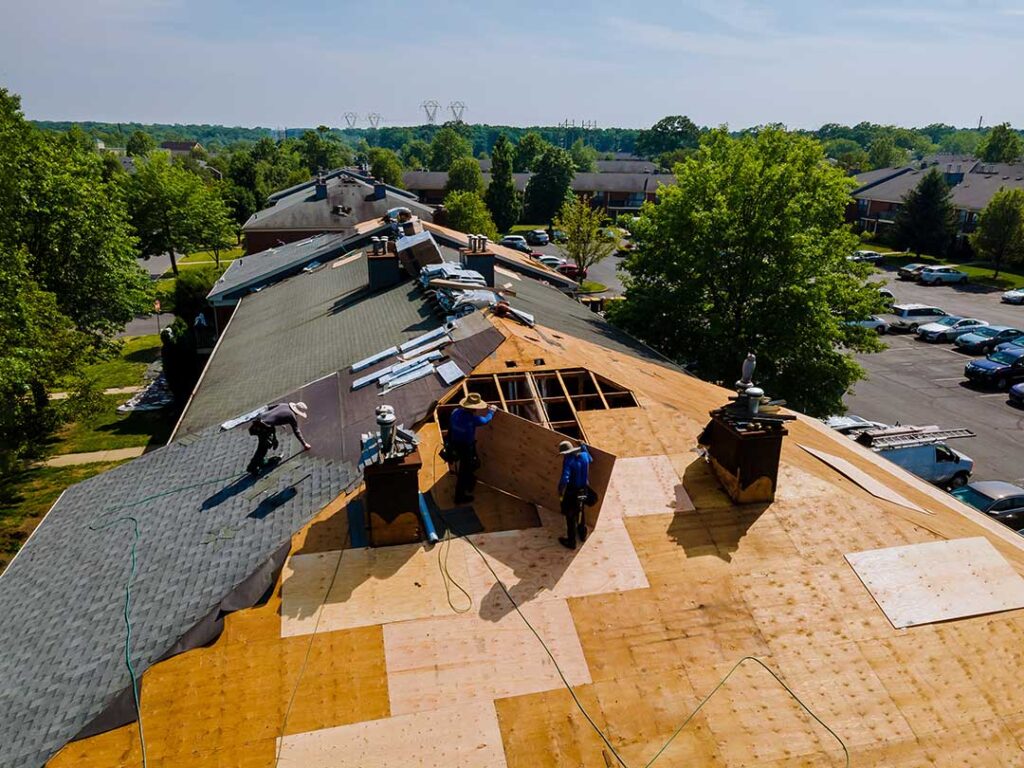
A roof tear-off removes the existing roofing materials so the roof deck and underlying structure can be inspected before new roofing is installed. For homeowners in Greene, NY, the process usually involves preparation, careful removal, deck repairs, weather protection, cleanup, and several decisions that may not be visible from the ground.
What does a roof tear-off include?
A typical tear-off removes the exposed shingles or other roofing material, underlayment, flashing that cannot be reused, and damaged accessories around roof openings. The goal is to expose the roof deck rather than simply cover old problems with another layer.
The work may include:
- Protecting landscaping, siding, windows, doors, and outdoor equipment
- Removing shingles, underlayment, drip edge, flashing, and vent components
- Inspecting the roof deck for rot, soft areas, gaps, or structural damage
- Replacing damaged decking where needed
- Installing new underlayment, flashing, ventilation components, and roofing material
- Collecting debris and checking the property for stray nails
A tear-off can reveal conditions that were impossible to identify during a visual inspection from the ground. This is why the final scope of work may change after the old roofing has been removed.
What happens before removal begins?
Preparation usually takes place before the first roofing materials are pulled away. Outdoor items near the house may need to be moved or covered, and protective materials may be placed over shrubs, gardens, walkways, decks, and exterior walls.
Roof removal is noisy. Repeated scraping, hammering, and movement across the roof can be heard throughout the home. Vibrations may also cause dust or small particles to fall from attic spaces, especially in older houses with unfinished or loosely insulated attics.
Residents often find it helpful to:
- Remove fragile items from walls and shelves
- Cover belongings stored in the attic
- Keep children and pets away from the work area
- Close windows near the roof
- Plan for limited access around the house during active removal
The work area should remain clear of ladders, debris, tools, and falling materials. Roof tear-off is not a suitable time for children or pets to investigate the yard.
How long does a tear-off take?
Many roof tear-offs and replacements can be completed in one working day, but the total time depends on roof size, pitch, access, weather, number of existing layers, and the condition of the decking.
A straightforward roof may move from removal to installation quickly. Delays are more likely when workers find widespread deck deterioration, complicated valleys, multiple additions, steep roof sections, masonry features, or difficult material access.
Weather is a significant factor in Greene, NY. Rain, high winds, freezing temperatures, and snow can interrupt removal or prevent new roofing materials from being installed safely. A roof should not be left exposed without temporary protection, so weather forecasts often influence which sections are opened and when.
What is found under old shingles?
The most common discovery is damaged roof decking. Decking can weaken from long-term leaks, ice buildup, failed flashing, condensation, or repeated wetting around roof edges and penetrations.
Other findings may include:
- Water-stained or deteriorated wood near chimneys, valleys, and wall intersections
- Missing or improperly installed flashing
- Inadequate ventilation
- Sagging areas or uneven roof surfaces
- Old roofing layers that have concealed earlier repairs
- Nail pops or fasteners that have worked loose
- Evidence of pests entering through roof openings
Not every dark stain means the wood must be replaced. Some staining is cosmetic, while soft, crumbling, or structurally weakened wood is a more serious concern. The useful distinction is whether the decking remains firm enough to hold fasteners and support the finished roof.
Any unexpected repair should be explained before it is covered. Once new underlayment and shingles are installed, hidden conditions become much harder to evaluate.
Why is the roof deck inspection important?
The roof deck is the structural surface beneath the roofing system. New roofing materials depend on it for support, alignment, and secure fastening.
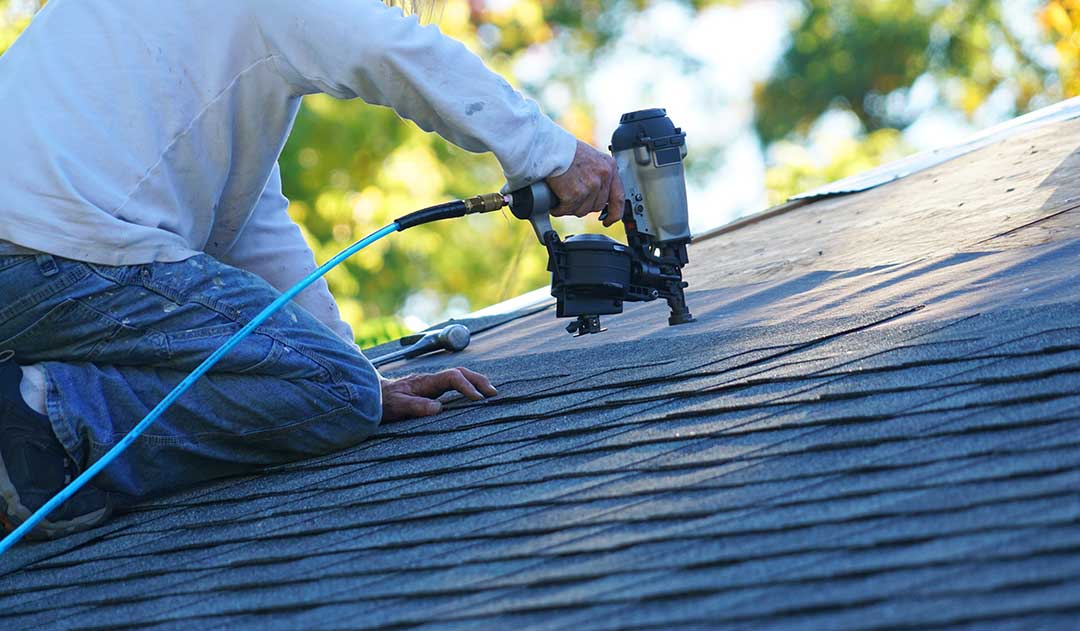
A tear-off provides the clearest opportunity to inspect the entire roof deck. Small areas may be repaired with matching sheathing, while larger problems may indicate long-term moisture entry or a framing issue that requires additional evaluation.
A new roof installed over weak decking may look finished but still perform poorly. Fasteners can fail to hold, surfaces can remain uneven, and water may continue entering through damaged areas.
What happens around chimneys, vents, and edges?
Roof penetrations and transitions require special attention because they interrupt the main drainage surface. These areas include chimneys, plumbing vents, skylights, dormers, sidewalls, valleys, and roof-to-wall intersections.
During a tear-off, old flashing may be exposed, bent, corroded, or sealed with deteriorated roofing cement. Some flashing can be reused if it remains sound and compatible with the new roof system, but damaged or poorly integrated flashing may need replacement.
Edges also matter. Drip edge helps direct water away from the roof deck and fascia. In regions with snow, ice, and repeated freeze-thaw cycles, vulnerable eaves and valleys deserve careful inspection because water can back up beneath roofing materials when drainage is disrupted.
How is the house protected from rain during the work?
A tear-off should be organized so exposed areas are covered before weather creates a problem. Temporary tarps or other weather-resistant coverings may be used when removal and installation cannot be completed immediately.
Protection is especially important during shoulder seasons, when a clear morning can change into rain later in the day. A responsible work sequence limits the amount of roof opened at once and keeps exposed decking covered whenever installation must pause.
If water enters during or shortly after a tear-off, document the location and timing. Interior staining may not appear immediately, particularly around ceilings, insulation, and wall cavities.
Do Greene, NY homeowners need a permit?
Permit requirements depend on the exact location and scope of the work. In Greene, NY, work governed by New York’s construction and energy codes may require approval before construction begins, and local code enforcement rules can apply to alterations or improvements.
A basic replacement of roofing materials may be treated differently from work involving structural repairs, changes to roof shape, insulation, ventilation, or other building components. Permit requirements should be confirmed with the appropriate local code enforcement office before work starts.
This question matters because inspections, permit records, and code compliance can affect future property transactions and insurance documentation.
What should cleanup look like?
Roofing debris includes shingles, underlayment, nails, wood fragments, flashing, and packaging. Cleanup should cover more than the visible pile beside the driveway.
A careful final check includes:
- Walkways, driveways, patios, and lawn areas
- Areas beneath roof edges and eaves
- Gutters and downspout outlets
- Shrubs, garden beds, and spaces beside exterior walls
- Attic areas for debris or signs of water entry
Magnetic tools can collect many loose roofing nails, but they do not guarantee that every fastener has been found. Residents should still use caution when walking barefoot outdoors or allowing pets into the work area immediately afterward.
What should homeowners document during a tear-off?
Photographs of exposed decking, flashing, roof penetrations, and completed underlayment can create a useful record of the work. Keep notes about any unexpected damage, repairs, weather interruptions, and permit or inspection information.
A tear-off is more than the noisy removal of old shingles. It is the stage when hidden conditions become visible and the roof’s drainage, ventilation, and structural support can be evaluated before they are covered again.
