
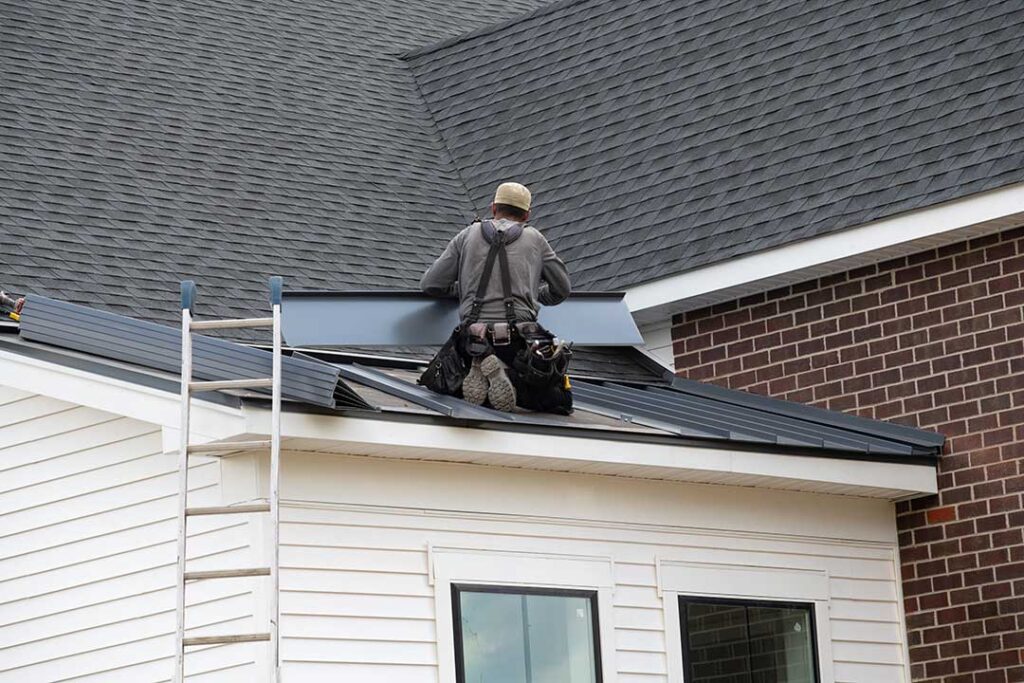
A roof can look new and still have serious installation defects. In Greene, NY, seasonal temperature changes, wind, rain, ice, and snow can expose those problems quickly, especially when roofing materials were installed without proper attention to drainage, ventilation, flashing, or fastening.
Poor installation does not always cause an immediate leak. Some defects remain hidden until the roof experiences heavy weather or repeated cycles of expansion and contraction. Knowing what to look for can help residents distinguish ordinary aging from workmanship-related problems.
What are the most common signs of a poorly installed roof?
The clearest warning signs are uneven roofing materials, exposed or misplaced fasteners, damaged flashing, poor drainage, and leaks that appear soon after installation. These problems often indicate that the roof system was not installed as a complete, coordinated assembly.
Visible concerns may include:
- Shingles that are crooked, wavy, buckled, or not aligned in straight courses
- Shingle edges that lift in ordinary wind
- Nails or screws that are visible where they should be covered
- Fasteners placed too high, too low, or outside the proper nailing area
- Missing roofing cement or sealant around areas that require it
- Valleys that appear uneven or do not form a clean drainage path
- Roofing materials that stop short of walls, chimneys, skylights, or roof penetrations
- Gutters that hold standing water because the roof edge was installed at the wrong height
A single minor imperfection may not prove that the entire roof was installed incorrectly. Several related defects, especially when combined with leaks or premature deterioration, deserve closer attention.
Why do crooked or buckled shingles matter?
Shingles should generally form consistent, overlapping courses with straight exposure lines. Wavy, raised, or irregular shingles can result from poor fastening, inadequate preparation of the roof deck, trapped moisture, improper installation temperature, or materials that were not allowed to settle correctly.
Buckling may also occur when the underlying deck is uneven or when old roofing was covered without proper evaluation. In cold climates, movement from freezing and thawing can make these defects more noticeable.
Raised shingle edges create openings where wind-driven rain can enter. They also make the roof more vulnerable to wind damage because lifted sections catch air beneath the surface. A roof that appears uneven across a broad area may have a preparation or ventilation problem rather than a simple isolated shingle defect.
What do exposed roofing nails indicate?
Exposed nails are a common installation concern. Roofing fasteners are normally placed so that later courses cover them, while certain exposed fasteners require compatible sealing to prevent water entry.
Unsealed nail heads can rust, loosen, or allow water to travel through the shingle and into the roof deck. The risk is higher near valleys, eaves, ridges, flashing, and roof penetrations because these areas already receive concentrated water flow.
Interior evidence may include small brown ceiling spots, damp insulation, musty odors, or moisture appearing around upper-floor walls. Leaks do not always show directly below the original defect because water can travel along rafters, decking, or framing before entering the living space.
How can flashing problems reveal poor workmanship?
Flashing directs water away from seams and changes in the roof plane. It is commonly used around chimneys, plumbing vents, skylights, walls, roof edges, and valleys.
Signs of improperly installed flashing include:
- Gaps between flashing and masonry or siding
- Flashing that is bent, loose, or visibly damaged
- Sealant being used as the main water barrier instead of correctly layered metal or membrane
- Counterflashing that is missing or cut into the wrong location
- Roofing materials installed over flashing in a way that blocks drainage
- Rusted fasteners or staining below a roof penetration
Sealant can deteriorate from sunlight, temperature changes, and movement. It may be useful in specific locations, but it should not replace proper flashing design. A roof that depends heavily on surface caulk may develop leaks as soon as the sealant cracks or separates.
Can poor ventilation be caused by installation errors?
Yes. A roof ventilation system must allow air to enter through appropriate intake openings and leave through properly designed exhaust openings. Blocking soffit vents, installing too little intake ventilation, or placing exhaust vents where they do not work together can create problems.
Poor ventilation may contribute to:
- Moisture buildup in the attic
- Mold or mildew on roof framing
- Rusted nails and metal components
- Premature deterioration of roof decking
- Higher attic temperatures during summer
- Ice dams along eaves during winter conditions

Ice dams can form when heat escapes into the attic, warms the underside of the roof, and causes snow to melt and refreeze near colder eaves. Insulation and air-sealing problems may contribute, but blocked or poorly planned ventilation can also be part of the situation.
Ventilation should not be judged only by the number of roof vents visible from outside. Intake and exhaust openings need to work as a balanced system, and attic insulation must not block the intended airflow path.
What drainage problems point to installation defects?
Water should move predictably from the roof surface into gutters, downspouts, or safe discharge areas. Ponding water on a low-slope section, water stains beneath valleys, and overflowing gutters during ordinary rainfall may indicate poor slope, incorrect underlayment placement, blocked drainage, or improperly installed edge materials.
In areas that experience snow and ice, drainage problems can become more serious because melting water may refreeze at roof edges. Leaves, needles, and seasonal debris can also obstruct gutters, so maintenance should be considered before assuming the roof itself is defective.
A useful observation is whether water consistently collects in the same location after rain. Repeated ponding is more concerning than temporary dampness caused by debris or a one-time blockage.
Are leaks soon after installation always proof of poor installation?
Not always, but a new leak should be investigated rather than dismissed. Leaks can result from severe weather, damaged materials, condensation, pre-existing structural problems, or an issue with an adjacent wall or chimney.
The timing and location provide useful clues. A leak that appears shortly after installation, especially around flashing, valleys, vents, or roof edges, may suggest an installation defect. Water entering near a roof replacement may also originate from siding, masonry, attic condensation, or plumbing rather than the roof surface itself.
Photographs of ceiling stains, attic moisture, displaced shingles, and exterior drainage patterns can help document when and where the problem appears. It is also useful to record the date, weather conditions, and whether the leak occurs during rain, snowmelt, or strong wind.
What should Greene, NY residents check after major weather?
After heavy rain, strong wind, or a snow-and-ice event, a ground-level inspection can reveal changes without creating a fall hazard. Look for shingles or flashing in the yard, loose gutters, damaged vent covers, sagging roof edges, and water stains in attic areas that are safely accessible.
Do not walk on a wet, icy, steep, or visibly damaged roof. Avoid climbing onto a roof to inspect suspected defects, particularly after wind or winter weather has weakened materials. Electrical hazards, unstable ladders, and hidden roof damage can make a closer inspection unsafe.
Inside the home, check upper-floor ceilings, attic framing, insulation, and areas around chimneys or roof penetrations. A dry ceiling does not guarantee that the roof is sound; some moisture remains trapped in insulation or decking before becoming visible indoors.
Which installation defects require prompt attention?
Prompt evaluation is warranted when there is active leaking, sagging decking, exposed roof underlayment, widespread shingle lifting, significant flashing separation, or water near electrical fixtures. These conditions can allow a relatively small defect to damage insulation, framing, ceilings, and interior finishes.
Minor cosmetic irregularities can often be monitored, but they should not be ignored if they are spreading or accompanied by moisture. A roof system functions as several connected layers: shingles, underlayment, flashing, ventilation, decking, insulation, and drainage. A problem in one layer can affect the others over time.
The most reliable assessment considers the roof’s age, installation history, weather exposure, attic conditions, drainage, and interior evidence together. That broader view is especially useful in a four-season climate, where a defect may remain quiet during mild weather and become obvious during wind, heavy rain, freeze-thaw cycles, or snowmelt.
