
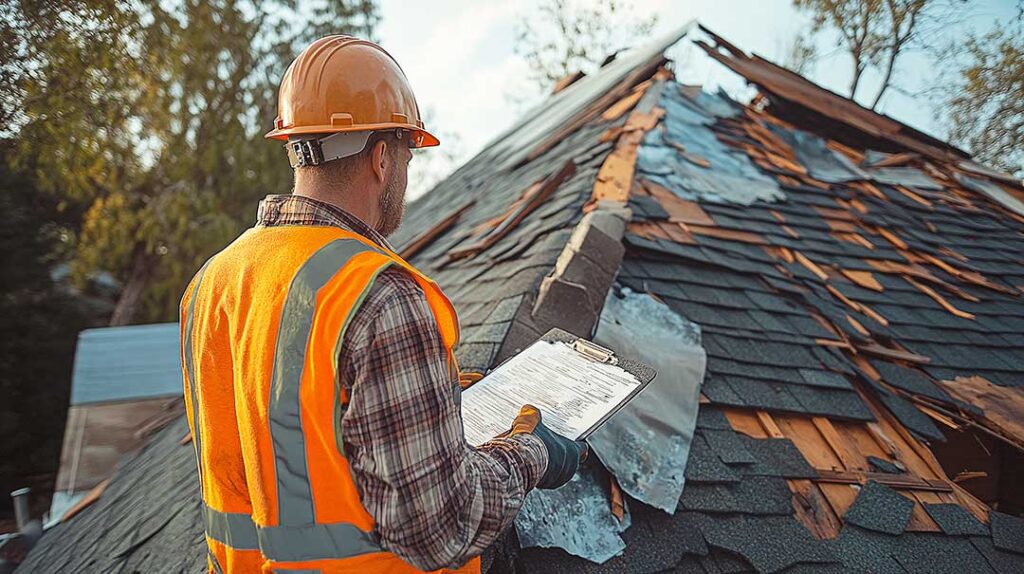
A cool roof is designed to reflect more sunlight and absorb less heat than a conventional roof. In Greene, NY, that can help reduce summer heat buildup in attics and upper rooms, although the overall benefit depends on the roof’s material, color, insulation, ventilation, and the building’s energy use.
What makes a roof “cool”?
A cool roof uses surfaces that reflect a greater share of incoming solar energy and release absorbed heat more effectively. Roof color matters, but it is not the only factor. Roofing materials also differ in how much heat they absorb and how quickly they release it.
A traditional dark roof may become substantially hotter than the surrounding air on a sunny summer afternoon. That heat can move through the roof assembly and raise attic temperatures. A cool roof is intended to limit that heat transfer.
Cool roofing may involve:
- Light-colored or reflective roof surfaces
- Coatings applied to certain existing roofing materials
- Reflective metal roofing
- Specially manufactured shingles or membranes
- Roof systems designed with both reflective surfaces and adequate ventilation
A roof does not have to be bright white to provide some cooling benefit. However, darker materials generally absorb more solar heat than lighter or more reflective options.
Can a cool roof lower energy use?
A cool roof can reduce air-conditioning demand during hot, sunny weather, especially in buildings with low-slope roofs, lightly insulated attics, or upper floors that become uncomfortable in summer. The savings are usually more noticeable in homes or buildings that use mechanical cooling regularly.
The effect may be smaller in a well-insulated home with limited air-conditioning use. In that situation, insulation and air sealing may already prevent much of the roof’s heat from reaching the living space.
For households in Greene, summer cooling is only one part of the annual energy picture. Heating remains a major concern during the colder months. A reflective roof does not automatically reduce winter heating costs, and the roof’s energy performance should be considered across all seasons.
A balanced roof assembly may include:
- Adequate insulation at the attic floor or roof deck
- Proper air sealing around penetrations
- Clear ventilation paths where the roof design requires them
- Moisture control
- A roofing material suited to snow, wind, rain, and seasonal temperature changes
Are cool roofs useful in a colder climate?
Yes, but their benefits may be seasonal rather than constant. A cool roof can still reduce unwanted heat gain during sunny summer conditions, but the annual advantage may be less dramatic than in a region with prolonged, intense heat.
In Greene, winter conditions can include freezing temperatures, snow, ice, and repeated transitions around the freezing point. Those conditions make durability, water management, flashing, and ventilation just as important as reflectivity.
A highly reflective roof should not be selected on the assumption that it will solve every comfort or energy problem. If an attic is excessively hot in summer, poor insulation, blocked ventilation, air leakage, or ductwork in the attic may be contributing more than roof color alone.
What are the main benefits beyond lower cooling demand?
The most direct benefit is reduced surface temperature during sunny weather. That can provide several secondary advantages.
Improved upper-floor comfort
A roof that absorbs less solar heat may help keep attic-adjacent rooms more comfortable during hot afternoons. The improvement will depend on the complete roof system rather than the surface alone.
Less heat stress on roofing materials
Repeated heating and cooling cause roofing materials to expand and contract. Lower surface temperatures may reduce some thermal stress, although roof lifespan also depends heavily on installation quality, moisture exposure, wind, debris, and material condition.
Potentially lower peak electricity demand
Buildings that use air-conditioning may place less demand on cooling equipment during the hottest part of the day. This can be useful during periods when many households are cooling their homes at the same time.
Reduced neighborhood heat contribution
In areas with many buildings and paved surfaces, reflective roofs can reduce the amount of solar energy stored by individual structures. The community-wide effect is generally more meaningful where reflective roofs are combined with shade, trees, efficient buildings, and reduced pavement.
Do cool roofs prevent ice dams?
No. A cool roof is not an ice-dam prevention system.
Ice dams form when snow on a roof melts in some areas and refreezes near colder roof edges or gutters. The causes may include heat escaping from the building, uneven roof temperatures, inadequate insulation, air leaks, limited ventilation, and weather conditions.
Roof reflectivity may affect surface temperatures in certain situations, but it does not correct the building conditions that commonly contribute to ice dams. Preventing ice dams requires attention to insulation, air sealing, ventilation, drainage, and roof geometry.
Snow and ice can also hide damaged shingles, flashing problems, blocked drainage, and deteriorated sealants. These issues should not be assumed to be solved by choosing a reflective roofing material.
Are cool-roof coatings suitable for every existing roof?
No. Coatings are compatible with some roof materials and conditions but not others. The existing roof must be structurally sound, reasonably clean, dry, and free of problems that a coating cannot repair.
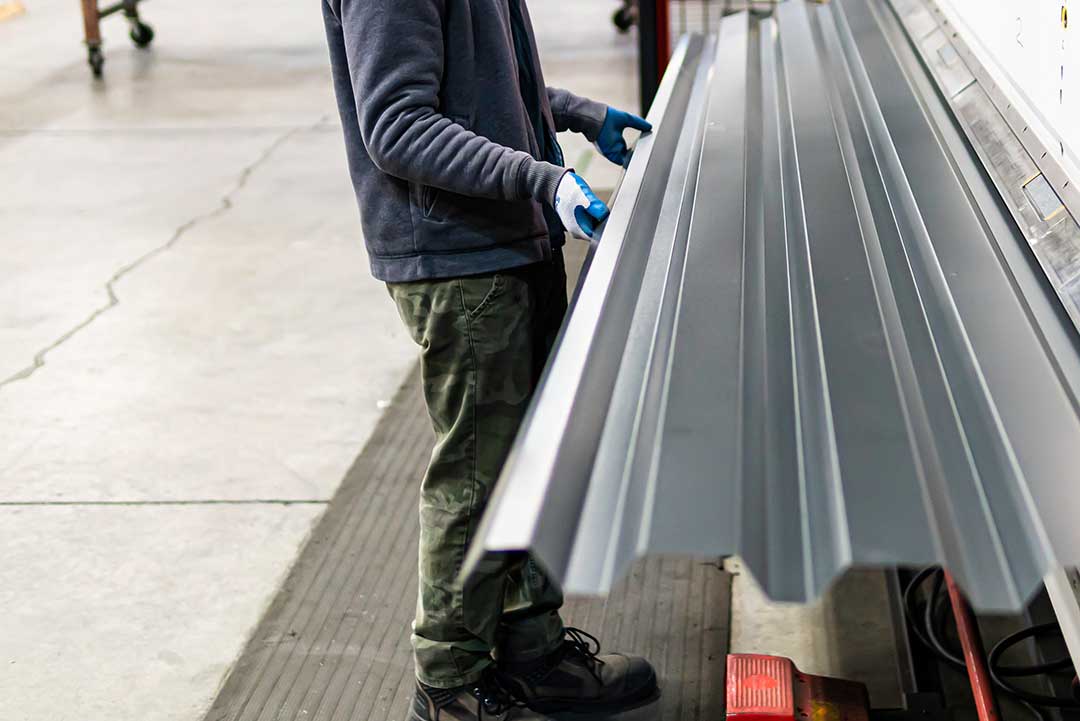
A coating may be inappropriate when a roof has:
- Active leaks
- Widespread surface deterioration
- Rotting sheathing or decking
- Loose or badly damaged materials
- Persistent moisture beneath the roofing
- Drainage problems
- Contamination that prevents proper adhesion
Coating products also vary in their resistance to ponding water, foot traffic, snow, ice, and temperature changes. Applying a reflective layer over an unsound roof can conceal problems without correcting them.
What should homeowners consider before choosing one?
The best roof choice depends on the building, not simply on the lightest available color. Several questions deserve attention:
- How much cooling does the building actually use?
- Is the attic properly insulated and ventilated?
- Does the roof have a steep or low slope?
- How does the material perform under snow, ice, wind, and heavy rain?
- Will the roof surface be visible from nearby properties or public areas?
- Are there local building requirements or restrictions affecting roof work?
- Is the existing roof suitable for a coating, or is replacement more appropriate?
- How will reflectivity affect appearance over time as dust, pollen, algae, or weathering accumulate?
For older homes, roof ventilation and insulation improvements may provide greater comfort benefits than changing the roof color. For low-slope roofs, reflectivity may be a particularly relevant design consideration because those surfaces can receive strong solar exposure and may have limited attic space beneath them.
Common misconceptions about cool roofs
A cool roof keeps a home cool by itself.
It can reduce solar heat gain, but insulation, air sealing, windows, shading, and ventilation also affect indoor temperature.
Every light-colored roof is automatically a high-performance cool roof.
Color is a useful clue, but measured reflectivity and thermal performance vary among materials.
Cool roofs are only useful in very hot regions.
They may provide summer benefits in colder areas, although the annual energy impact may be smaller.
A reflective roof will reduce winter heating costs.
Reflectivity mainly limits solar heat gain. It does not replace insulation or air sealing and may not provide a winter heating advantage.
A roof coating repairs structural problems.
Coatings can protect certain suitable surfaces, but they cannot restore rotten decking, correct poor drainage, or eliminate underlying leaks.
For local households, a cool roof is best viewed as one part of a larger roof and energy strategy. Reflective materials may help manage summer heat, but lasting performance depends on a sound roof assembly, proper moisture control, adequate insulation, and materials suited to the area’s full range of seasonal weather.
