
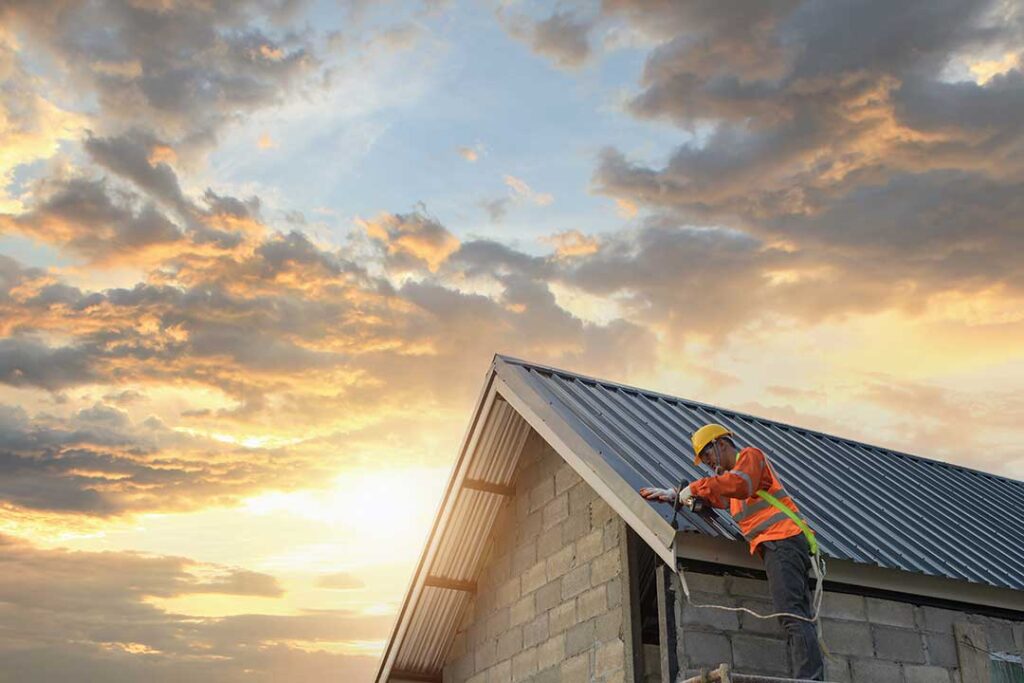
Roof repairs are rarely as simple as they first appear. A missing shingle may be visible from the ground, while the underlying problem involves damaged flashing, wet decking, poor ventilation, or a leak that has traveled well beyond its original entry point. Choosing a roofing company carefully helps homeowners avoid temporary fixes, unclear pricing, and unnecessary replacement work.
What should be checked before choosing a roofing company?
Start by confirming that the company is properly established, insured, and experienced with the type of roof on the home. A reliable company should be willing to explain its qualifications and provide written information without pressure.
Useful questions include:
- How long has the company performed roofing repairs?
- Does it regularly work with the roof’s material and design?
- Is it covered by liability insurance and workers’ compensation insurance?
- Who will perform the work?
- Will the company inspect the attic or roof interior when needed?
- What documentation will be provided after the repair?
Insurance matters because roofing involves fall hazards, ladders, tools, and potential property damage. A homeowner should not assume that a company’s insurance covers every situation. Asking for current proof of coverage is reasonable, particularly before work begins.
Experience should also match the repair. A company that mostly installs new asphalt roofs may not be the right fit for repairing slate, metal, low-slope roofing, or an older roof with several layers of previous repairs.
How can a homeowner tell whether a repair is being diagnosed correctly?
A proper roof repair begins with finding the source of the problem, not simply treating the most visible symptom. Water can enter near a ridge, chimney, vent, or flashing joint and appear indoors several feet away.
A careful inspection may include:
- Examining shingles, seams, valleys, ridges, and roof penetrations
- Checking flashing around chimneys, walls, skylights, and vents
- Looking for lifted shingles, exposed fasteners, cracked sealant, or rust
- Inspecting attic insulation, roof decking, and framing for moisture
- Reviewing ventilation and signs of condensation
- Checking gutters and drainage paths for overflow or ice-related damage
For example, a ceiling stain does not automatically mean the shingles directly above it are defective. The stain may result from damaged flashing or condensation. Likewise, replacing a few shingles may not solve a leak caused by deteriorated underlayment or a failing roof edge.
The explanation should make sense to the homeowner. If the cause is unclear, ask what was observed, what repair is proposed, and why that repair is expected to solve the problem.
What should a written roofing repair estimate include?
A written estimate should describe the work in enough detail that another qualified person could understand what is being repaired. A single total price with no description makes it difficult to compare options or identify changes later.
Look for these details:
- The location and suspected cause of the damage
- Materials to be removed and installed
- Whether damaged underlayment, flashing, decking, or trim is included
- Labor, disposal, cleanup, and protection of nearby property
- The expected start and completion conditions
- Payment timing and deposit requirements
- Warranty terms for materials and workmanship
- The process for handling hidden damage
Roof repairs can reveal problems that were not visible during the initial inspection. A fair agreement explains how additional work will be approved and priced before it is performed. Homeowners should be cautious about open-ended language that allows major cost increases without written authorization.
The lowest estimate is not always the least expensive choice. A low price may exclude important materials, overlook underlying damage, or provide a short-term patch that leads to another repair soon afterward. Comparing the scope of work is more useful than comparing totals alone.
Should several roofing companies be compared?
For non-emergency repairs, comparing at least two or three written assessments can help reveal whether the recommended work is consistent. The purpose is not simply to create a bidding contest. It is to understand the problem and identify differences in repair methods.
If one company recommends a small repair and another recommends extensive replacement, ask each one to explain the evidence. Differences may result from roof age, hidden damage, safety concerns, or differing standards of repair. They may also reflect an incomplete inspection.
Be cautious if a representative:
- Uses fear or urgency to demand an immediate decision
- Claims the entire roof must be replaced without showing the damage
- Refuses to provide a written scope of work
- Requests full payment before work starts
- Discourages questions or avoids discussing insurance
- Offers a price that changes substantially without explanation
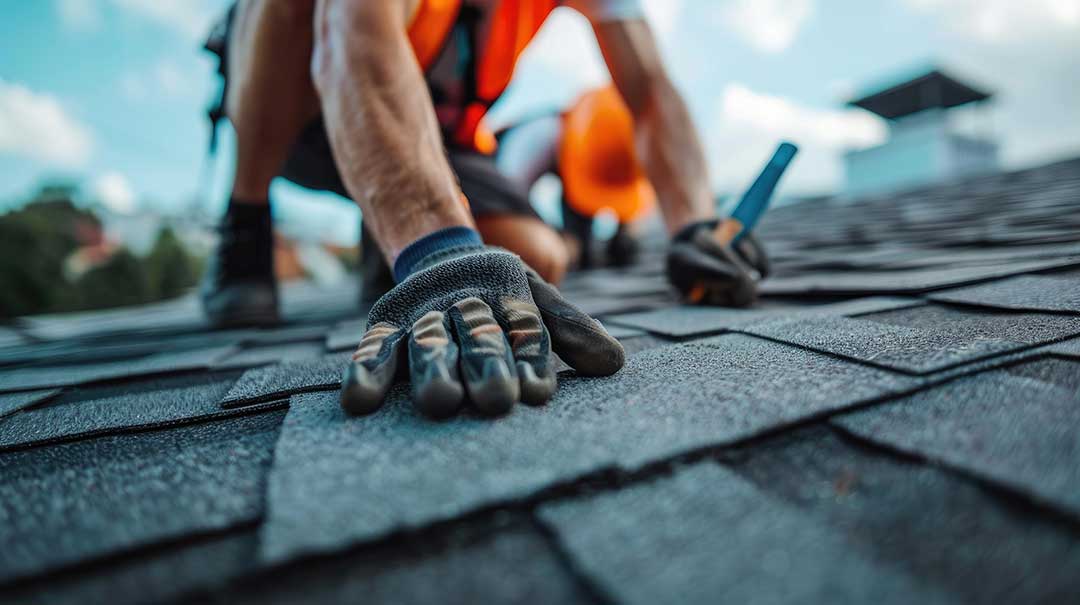
A reputable repair process should leave the homeowner better informed, even when the work is not approved immediately.
How do local weather conditions affect roof repair decisions?
Homes in Greene, NY experience seasonal weather that can affect both roof damage and repair timing. Snow, freeze-and-thaw cycles, wind, heavy rain, and summer heat can expose weak flashing, loose shingles, blocked drainage, and aging sealants.
A repair company should consider whether the roof can be safely and effectively repaired under current conditions. Wet surfaces, ice, high winds, and active storms can create unsafe work conditions and make some materials difficult to install properly.
Winter ice can also complicate leak investigations. An ice dam or frozen drainage area may contribute to water intrusion, but replacing shingles alone may not address the cause. In other cases, a roof leak may be related to attic condensation rather than exterior roof failure.
Seasonal timing does not eliminate the need for emergency action. Active leaks near electrical wiring, sagging roof areas, large openings, or fallen branches require prompt attention. Until the roof can be assessed safely, protect interior belongings and avoid climbing onto the roof.
What should be asked about warranties and follow-up repairs?
A roofing warranty may cover materials, workmanship, or both, but the terms vary significantly. Homeowners should ask what is covered, how long coverage lasts, and what actions could void it.
Important distinctions include:
- A material warranty may come from the manufacturer and cover product defects.
- A workmanship warranty may come from the roofing company and cover installation-related problems.
- Neither warranty may cover storm damage, lack of maintenance, improper ventilation, or damage caused by another contractor.
The written paperwork should identify who is responsible if the repaired area leaks again. It should also explain how a warranty claim is submitted and whether inspection or labor charges apply.
Keep copies of the estimate, contract, photographs, invoices, warranty documents, and any written communication. These records are useful for future maintenance, insurance questions, and later roof work.
What is the most practical way to make a final choice?
Choose the company that provides the clearest diagnosis, complete written scope, reasonable documentation, and straightforward answers. Good communication is not a substitute for technical skill, but poor communication often creates problems once work begins.
A sound decision usually rests on several factors together:
- Verified insurance and business information
- Relevant experience with the roof type
- A specific explanation of the damage
- A detailed, comparable written estimate
- Clear treatment of hidden damage and change orders
- Understandable warranty terms
- No pressure to approve unnecessary work
For area households, the goal is not simply to stop water from entering the home for a few weeks. The goal is to match the repair to the actual cause, use materials suited to the roof, and leave a clear record of what was done. That approach makes future maintenance easier and reduces the chance that a small, manageable problem becomes a larger structural or interior repair.
