
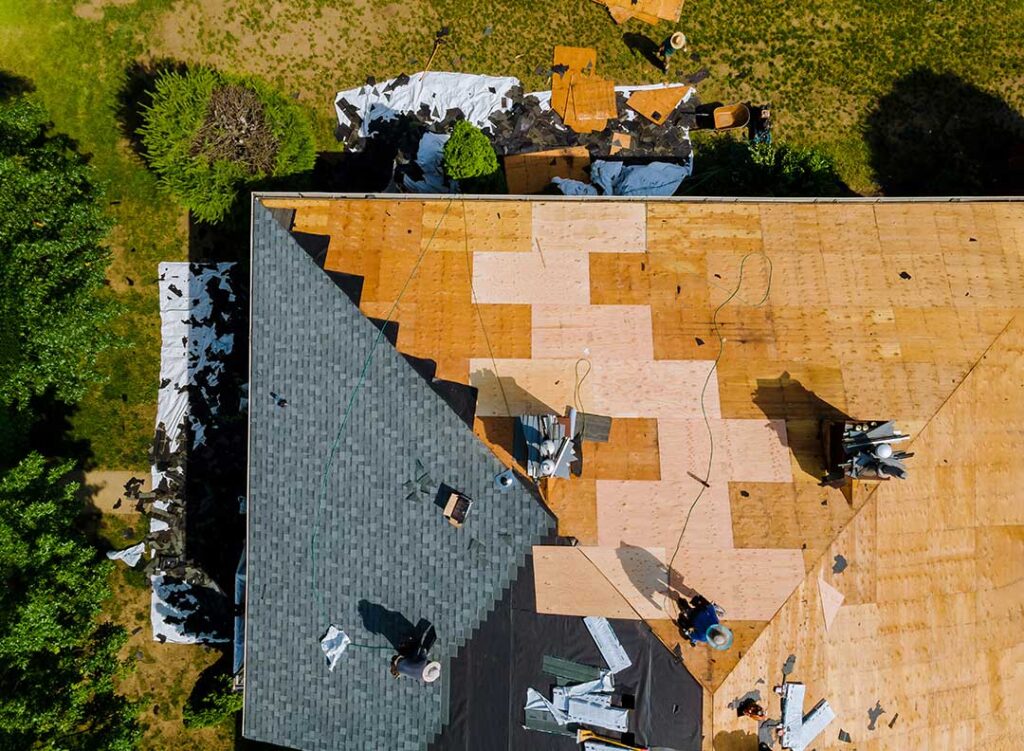
Replacing a few damaged shingles seems simple until the new pieces look noticeably different from the rest of the roof. In Greene, NY, homeowners often face this problem after wind, falling branches, ice, or gradual weathering. A good match depends on more than color alone.
The goal is to find replacement shingles that are compatible in type, size, profile, exposure, color, and condition. Even when an exact match is no longer available, careful selection can make a repair blend more naturally and protect the roof from further damage.
Can replacement shingles be matched exactly?
An exact match is possible only when the original shingles are still available and the existing roof has not changed significantly with age and weather. Even shingles from the same product line can look different after years of sun exposure, moisture, dirt, algae growth, and seasonal temperature changes.
Older roofs may also contain shingles that have been discontinued. Manufacturers regularly change product names, color blends, surface textures, and dimensions. A package label, leftover bundle, or installation record can make identification much easier.
An exact match is most likely when the replacement shingle has:
- The same manufacturer and product line
- The same color name and color blend
- The same shingle style and dimensions
- The same thickness and surface texture
- The same installation exposure
- A similar production period
A close color match may still be visibly different if the new shingles have a different texture or are installed with a different exposed portion.
What information should be collected before buying shingles?
The first step is to identify the existing roofing material. Asphalt shingles are common, but they are not all interchangeable. Architectural shingles, three-tab shingles, designer shingles, and specialty impact-resistant shingles have different shapes and installation requirements.
Look for clues in several places:
- Unused shingles stored in a garage, attic, shed, or basement
- Original roofing invoices or warranty paperwork
- Labels on bundles left after the previous installation
- Manufacturer markings on the back of a loose shingle
- The roof’s visible pattern and thickness
- Measurements taken from an undamaged shingle
A loose shingle should be handled carefully because brittle material can crack during removal. If a sample must be removed, the surrounding shingles and underlayment can be damaged if the work is done aggressively.
A photograph can help with general identification, but photographs often change the apparent color because of lighting, camera settings, shadows, and wet surfaces. A physical sample is usually more reliable than a picture alone.
How do color and weathering affect the match?
Color is one of the most noticeable differences, but it is also one of the hardest to judge accurately. New shingles typically have a cleaner, sharper appearance than older shingles. Existing shingles may have faded unevenly, developed dark streaks, or collected embedded dirt.
A replacement shingle that looks correct in a store or warehouse may appear different on the roof. The viewing angle, surrounding shingles, sunlight, and time of day can all affect the comparison.
For a small repair, it is useful to compare the sample:
- In direct sunlight and shade
- Against shingles from more than one roof slope
- From ground level and close range
- When the roof surface is dry
- Beside areas that have received similar weather exposure
Roof slopes may weather differently. A south-facing section can fade more quickly than a shaded section, while areas beneath trees may collect more moisture and organic debris. A color match made against one section may not blend equally well across the entire roof.
Why must the shingle profile and exposure match?
Two shingles can have similar colors but still look mismatched because their physical profiles are different. Architectural shingles are usually thicker and have a dimensional pattern, while three-tab shingles have a flatter, more regular appearance.
The exposure is the portion of each shingle visible after installation. If replacement shingles are installed with a different exposure, the horizontal lines will not align with the surrounding courses. This can create a noticeable patch even when the color is close.
Important physical details include:
- Shingle length and width
- Tab or cutout pattern
- Thickness
- Headlap and exposure
- Color distribution
- Surface granule texture
- Starter-strip design
- Ridge-cap shape
A shingle with a slightly different size may also interfere with flashing, valleys, roof edges, and nearby courses. Roofing materials should not be selected by color alone.
Is it better to replace only the damaged shingles or an entire roof section?
The right repair size depends on the extent of the damage, the age of the roof, and how well a replacement can blend with the surrounding materials. Replacing one or two shingles may be reasonable when the damage is isolated and matching material is available.
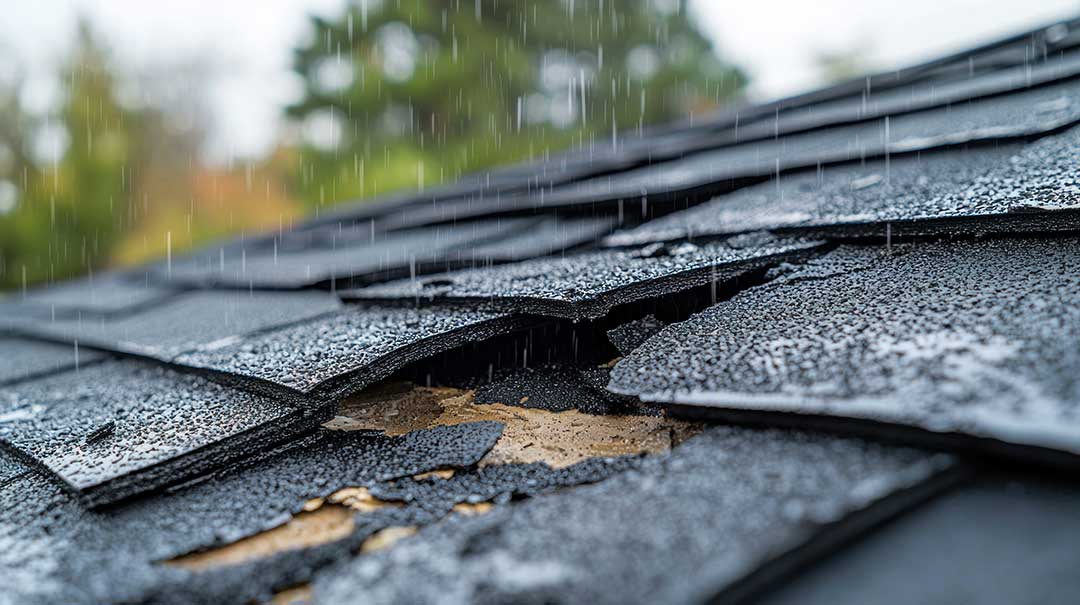
A larger section may be more practical when:
- Several shingles are damaged in the same area
- The original shingle is discontinued
- The roof has extensive weathering
- Wind has loosened multiple courses
- Repairs would create a highly visible patch
- The surrounding shingles are brittle or cracking
Replacing only the visibly damaged shingle does not always address hidden problems. Wind can lift fasteners, tear the shingle seal, or damage the underlayment beneath nearby materials. A roof may look intact from the ground while having weakened areas around the damaged section.
Can shingles from a different manufacturer be used?
Different manufacturers’ shingles should not be assumed to be interchangeable. They may differ in dimensions, nail-line placement, sealant location, installation instructions, and required ventilation or accessory materials.
Mixing products can create alignment problems or affect how shingles seal during warm weather. It may also complicate future repairs or warranty questions. If the original product cannot be found, the replacement should be evaluated for physical compatibility, not merely visual similarity.
The most reliable substitute is generally a shingle with a similar profile, size, exposure, and installation method. A slightly imperfect color match that functions correctly is usually preferable to a visually similar material that does not fit the roof system.
How do Greene’s seasonal conditions affect replacement shingles?
The local climate includes cold winters, freeze-thaw cycles, spring moisture, summer heat, and occasional strong wind. These conditions can make older shingles brittle and can expose weaknesses around roof edges, penetrations, valleys, and flashing.
Repairs should be considered carefully after winter because ice, snow, and repeated temperature changes can loosen or fracture shingles. Asphalt shingles are also less flexible in cold weather, which increases the chance of cracking during handling.
A replacement shingle needs time and suitable conditions to seal properly. Installation on a very cold, wet, or windy day may require additional attention to fastening and sealing. A shingle that is not securely attached can lift before the factory-applied sealant bonds.
What common mistakes make a repair look worse?
Several shortcuts can produce a poor match or shorten the life of the repair:
- Choosing a shingle based only on its name or color
- Ignoring the difference between three-tab and architectural styles
- Installing a different exposure
- Using damaged, curled, or brittle salvaged shingles
- Removing nearby shingles without protecting the underlayment
- Forgetting ridge caps, starter shingles, or edge details
- Matching against a wet or unusually dirty roof surface
- Assuming all dark streaks or stains represent the original color
- Covering a leak without identifying where water is entering
A repair should also account for ventilation and water-shedding details. Shingles are part of a larger roof assembly that may include underlayment, flashing, drip edge, ice-barrier materials, ventilation components, and sealants.
When is a professional evaluation genuinely necessary?
Some replacement work involves fall hazards, steep slopes, brittle materials, hidden water damage, or damaged decking. A qualified roofing professional is appropriate when safe access is difficult, the roof has multiple damaged areas, water is entering the building, or the correct material cannot be identified confidently.
For simple identification, homeowners can begin by documenting the roof style, locating leftover materials, and photographing the damaged area from a safe position. For repairs involving structural damage, active leaks, extensive wind damage, or unsafe conditions, the risk of making the problem worse is greater than the value of guessing at a material match.
The best replacement is not always the shingle with the closest color. It is the material that matches the existing roof’s construction, can be installed correctly, and provides dependable protection through the area’s changing seasons.
