
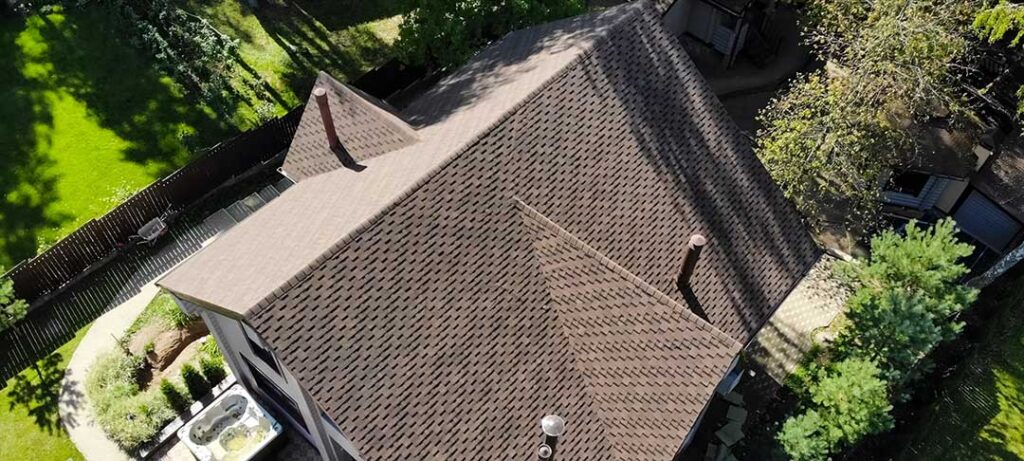
Replacing a roof can produce a surprising amount of waste, including shingles, underlayment, flashing, vents, nails, wood, insulation, and packaging. Much of this material should not be placed in ordinary household recycling bins, but several roofing components may be reused, recycled, or directed to construction-and-demolition waste facilities.
For residents in Greene, NY, the correct disposal method depends on the roofing material, whether it is contaminated, and whether it may contain asbestos.
Which roofing materials can be recycled?
Asphalt shingles are the most commonly recycled roofing material. Clean, uncontaminated shingles may be processed into material used in pavement and other construction applications. Roofing felt or asphalt roofing paper may also be accepted with shingles at some construction-and-demolition debris facilities.
Other materials may have separate recycling or reuse options:
- Metal flashing, gutters, drip edge, and metal vents can often be recycled as scrap metal if they are reasonably clean.
- Aluminum and copper components should be kept separate when possible because different metals may be handled differently.
- Undamaged slate, clay tiles, and some concrete tiles may be reused for repairs or salvaged for another project.
- Clean wood from roof framing or sheathing may be reusable, although painted, treated, glued, or rotted wood may not qualify for ordinary clean-wood recycling.
- Cardboard from roofing-material packaging belongs in regular cardboard recycling if it is dry and free of roofing cement, tar, and excessive debris.
Roofing waste is usually considered construction-and-demolition debris rather than household recycling. That means it often must be taken to a facility that specifically accepts building materials.
Where can old shingles be taken in Greene, NY?
Greene County transfer stations accept construction-and-demolition debris, but residents should verify current acceptance rules, charges, load requirements, and material restrictions before transporting roofing waste. Roofing debris may be charged by weight, and some facilities may require it to be separated from household garbage.
A facility that accepts construction debris is not automatically a shingle-recycling facility. Some locations send asphalt shingles for recycling, while others send them to a permitted disposal facility. Asking whether shingles are recycled or simply buried can help residents understand how the material will be managed.
NYS Department of Environmental Conservation rules allow registered construction-and-demolition debris facilities to receive uncontaminated asphalt roofing shingles and roofing paper that do not contain friable asbestos. Acceptance can still vary by facility, so material should be identified accurately before delivery.
For a roofing replacement in an older home, it is especially useful to ask these questions in advance:
- Are asphalt shingles accepted?
- Must shingles be separated from wood, metal, insulation, and household trash?
- Are roofing nails acceptable in the shingle load?
- Is a tarp required during transport?
- Is there a minimum fee or minimum load charge?
- Are large commercial or contractor loads handled differently from household loads?
How should roofing materials be sorted before recycling?
Sorting at the property makes recycling more practical and can prevent an entire load from being rejected. Keep the materials as clean and dry as possible.
A typical sorting plan includes separate piles for:
1. Asphalt shingles and roofing paper
2. Metal flashing, gutters, vents, and fasteners
3. Clean wood
4. Reusable slate, tile, or specialty roofing pieces
5. Cardboard and paper packaging
6. General waste that cannot be reused or recycled
Remove loose insulation, plastic wrap, large pieces of wood, household garbage, and other unrelated debris from shingle loads. Small amounts of roofing nails are commonly associated with asphalt shingles, but other metal objects may need to be separated.
Do not mix asbestos-suspect material with ordinary shingles. Even a small amount of prohibited material can make a load unsafe or unacceptable at a recycling facility.
Can roofing shingles be placed in household recycling bins?
No. Asphalt shingles do not belong in curbside recycling carts or household recycling bins. They are heavy, gritty construction materials that can damage sorting equipment and contaminate paper, plastic, glass, and metal recycling.
Small quantities should not be placed in ordinary trash bags either. A roofing tear-off can exceed the weight limits of household garbage containers, and loose shingles may puncture bags or create lifting hazards.
Instead, shingles should be handled as construction-and-demolition debris through an approved transfer station, landfill, or recycling facility that accepts them. Facility rules may differ for a few bundles left from a repair compared with several tons from a complete roof replacement.
What should happen to reusable roofing materials?
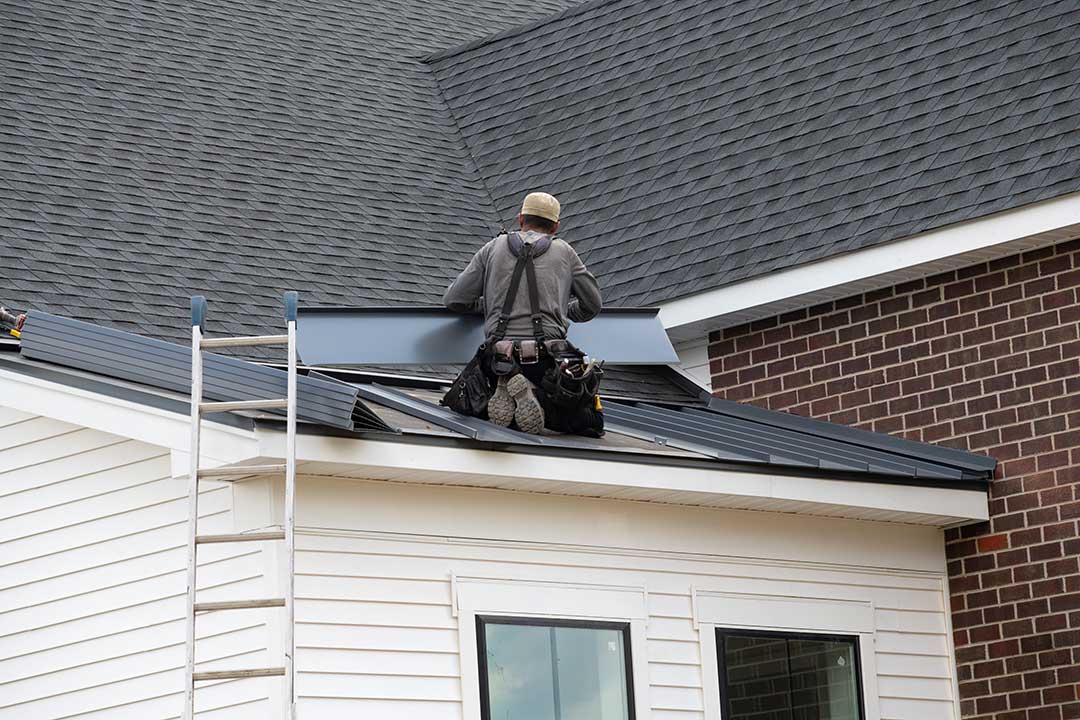
Some old roofing materials have value before they become waste. Undamaged slate, clay tiles, metal panels, copper flashing, ridge caps, and specialty pieces may be useful for matching an existing roof or repairing a historic structure.
Reuse is most realistic when materials are:
- Removed without excessive breakage
- Free from heavy tar, mold, and chemical contamination
- Kept dry and protected from freezing or impact
- Stored on a stable surface rather than directly on wet ground
- Clearly separated by type, size, and condition
Roofing materials that appear intact may still be unsuitable if they have hidden cracks, severe corrosion, brittleness, or weakened fasteners. Reuse should not compromise weather protection or create a safety problem.
How should metal roofing parts be recycled?
Metal is generally easier to recycle than mixed roofing debris. Separate aluminum, copper, galvanized steel, and other metals when practical. Remove large amounts of attached wood, insulation, plastic, and roofing cement.
Small nails and screws can usually remain with similar scrap metal if allowed by the receiving facility. Sharp pieces should be bundled or placed in a rigid container so they do not injure anyone handling the load.
Metal should not be burned to remove coatings, sealants, or attached materials. Burning can release dangerous fumes and may violate local restrictions.
What if the roof may contain asbestos?
Roofing materials from older buildings may contain asbestos, including some shingles, roofing felts, cement products, mastics, and tar-based materials. The material cannot be identified reliably by appearance alone.
If asbestos is suspected, do not break, grind, saw, dry-sweep, or pressure-wash it. Do not place it with ordinary shingles or bring it to a transfer station without confirming the facility’s requirements.
New York rules treat asbestos-containing roofing waste differently from ordinary construction debris. Friable asbestos, meaning material that can crumble or release fibers under normal hand pressure, requires controlled handling, packaging, transportation, and disposal. Even non-friable material may become regulated if removal methods could make it crumble or release fibers.
For older roofing systems or damaged materials of uncertain composition, testing and regulated handling may be necessary before removal. This is one of the situations where trained asbestos personnel may be required for safety and legal compliance.
How can roofing waste be transported safely?
Roofing debris should be covered securely during transport. A tarp helps prevent shingles, paper, nails, and dust from blowing onto roads. Loads should not exceed the vehicle’s safe capacity, and sharp materials should be contained so they cannot fall or puncture the vehicle.
Keep recyclable materials dry whenever possible. Wet shingles are heavier and more difficult to handle. During Greene’s winter and spring weather, frozen or waterlogged debris can make loading and unloading more hazardous.
Before leaving, confirm the receiving facility’s hours, accepted materials, fee structure, and load-securing requirements. Taking a few minutes to sort the debris and verify the rules can prevent an unnecessary trip and improve the chance that usable roofing material is actually recovered.
