
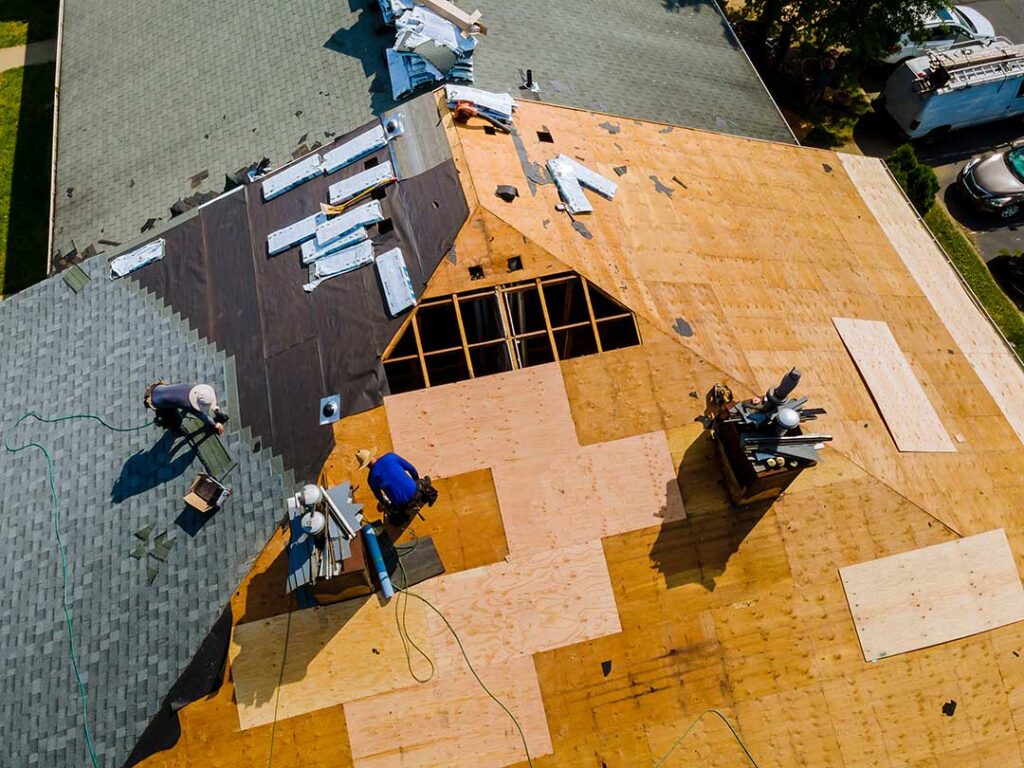
Why does roof ventilation matter in Greene, NY?
Proper roof ventilation helps control heat and moisture in the attic. A balanced system allows outdoor air to enter through lower intake vents and leave through higher exhaust vents, reducing the conditions that can damage roofing materials, insulation, and framing.
In Greene, seasonal changes make attic ventilation especially useful. Cold winters, snow on the roof, humid summers, and temperature swings can all affect how moisture moves through a home. Ventilation does not replace insulation or air sealing, but it works with both to support a more durable roof assembly.
What does a properly ventilated roof do?
A ventilated roof performs several important functions:
- It releases excess heat from the attic during warm weather.
- It allows moisture vapor to escape before it condenses on cold surfaces.
- It helps keep roof temperatures more consistent.
- It reduces the likelihood of damp insulation, mold growth, and wood deterioration.
- It can limit the conditions that contribute to ice dams during winter.
The goal is not to make the attic the same temperature as the living space. The goal is to keep air moving through the attic in a controlled path while preventing conditioned indoor air from leaking upward.
How does ventilation help during winter?
Winter roof problems are often related to heat and moisture moving into the attic. Warm air from the house can rise through gaps around light fixtures, plumbing penetrations, attic hatches, chimneys, and ductwork. If that warm air reaches a cold roof deck, condensation may form.
A well-insulated and properly air-sealed attic limits this heat transfer. Ventilation then helps remove small amounts of moisture that still enter the space.
Consistent roof temperatures also matter. If sections of the roof are heated from below while other areas remain covered by snow, snow can melt unevenly. Meltwater may refreeze near colder roof edges, where it can contribute to ice dams. Ventilation alone cannot prevent every ice dam, particularly during heavy snow or repeated freeze-thaw cycles, but balanced airflow can reduce uneven attic heating.
Can roof ventilation reduce summer heat?
Yes. During sunny weather, roofing materials can heat the roof deck and attic to temperatures far above the outdoor air temperature. Without a way to release that heat, the attic can transfer warmth into upper rooms and place additional demand on cooling equipment.
Intake vents near the eaves allow cooler outside air to enter. Exhaust vents near the ridge or upper roof allow heated air to escape. This natural movement is driven by wind and the tendency of warm air to rise.
Ventilation is most effective when the airflow path is continuous. Insulation installed too tightly against the underside of the roof can block soffit or eave vents. Baffles, sometimes called rafter vents, help keep those channels open.
What is the difference between intake and exhaust ventilation?
Intake vents bring outdoor air into the attic. Exhaust vents allow attic air to leave. Both are necessary for a balanced system.
Common intake locations include:
- Soffit vents under the roof overhang
- Eave vents
- Gable-end vents in some roof designs
Common exhaust locations include:
- Ridge vents
- Roof vents
- Gable vents
- Turbine or powered exhaust vents
A roof with plenty of exhaust vents but little intake airflow may not ventilate properly. Exhaust openings can pull air from unintended places, including gaps in the ceiling, rather than drawing air through the intended intake route. This can carry warm, moist indoor air into the attic.
Likewise, intake vents without adequate exhaust openings may not create enough airflow to remove heat and moisture.
Does more ventilation always mean better ventilation?
No. Roof ventilation depends on balance, placement, and a clear airflow path. Adding random vents may not solve the underlying problem and can sometimes make airflow less predictable.
Powered attic fans also require careful consideration. If the ceiling below the attic is not well air-sealed, a fan may draw conditioned indoor air through cracks and openings. That can increase energy use and bring additional moisture into the attic.
The most useful question is not simply how many vents a roof has. It is whether air can enter low, travel through the attic space, and exit high without obstruction.
What signs suggest an attic has a ventilation or moisture problem?
Some warning signs are easy to see, while others appear gradually. Possible indicators include:
- Frost or water droplets on the underside of the roof deck during cold weather
- Musty odors in the attic
- Damp or compressed insulation
- Mold-like staining on roof sheathing or rafters
- Rusted nails or metal fasteners
- Peeling paint or excessive moisture near upper ceilings
- Roof shingles that deteriorate unevenly
- Recurring ice dams along the lower roof edge
- Attic temperatures that become extreme during summer
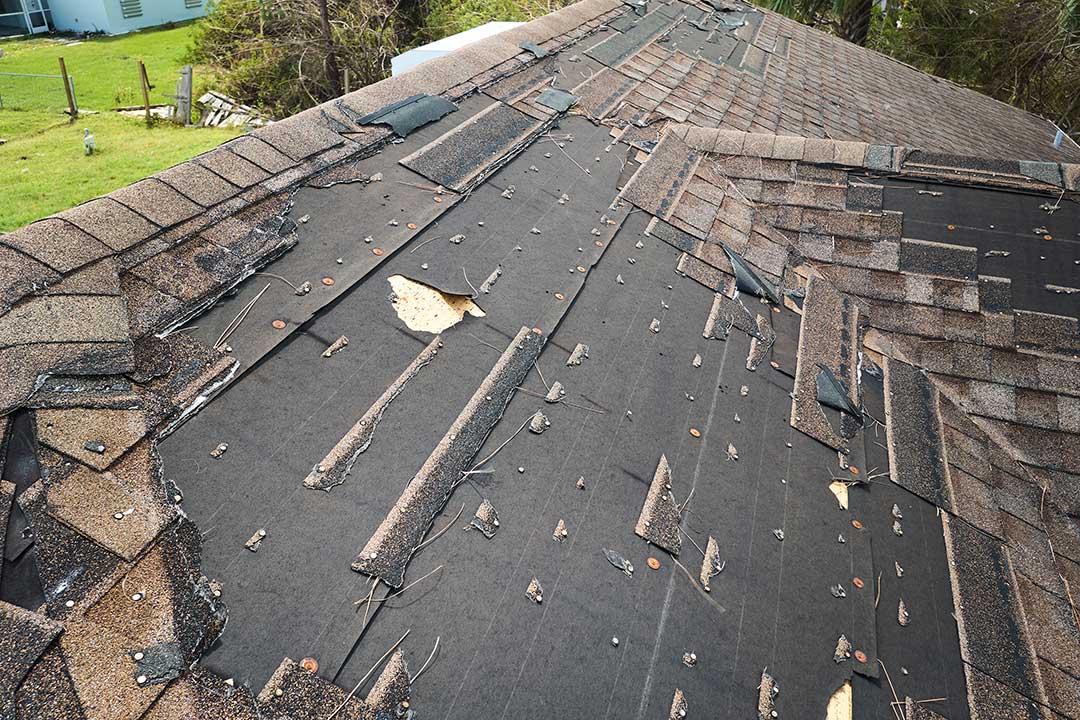
These signs do not always prove that ventilation is the only problem. Roof leaks, plumbing leaks, inadequate insulation, and air leakage from the living space can produce similar symptoms. The source of the moisture should be identified before adding vents.
Can ventilation fix poor insulation or air leaks?
No. Ventilation and air sealing address different problems.
Insulation slows the movement of heat between the home and attic. Air sealing blocks uncontrolled movement of indoor air. Ventilation exchanges attic air with outdoor air.
If warm household air is entering the attic through an open hatch or unsealed penetration, more ventilation may simply remove the moisture after it arrives. Sealing those leaks is usually more effective. If insulation is thin or uneven, improving insulation may be necessary to reduce heat transfer and help maintain more consistent roof temperatures.
A practical roof system typically needs all three components:
- Adequate insulation
- Thorough air sealing
- Balanced intake and exhaust ventilation
Are older homes more likely to have ventilation issues?
Older homes often have roof and attic designs that do not match current ventilation practices. Some have limited soffit space, enclosed roof sections, gable vents only, or insulation that was added without preserving intake paths.
Homes that have undergone several roof replacements may also have layered changes in flashing, vents, insulation, or roof coverings. A newer roof covering does not automatically correct an attic airflow problem beneath it.
In the local community, houses with different construction eras and roof shapes may require different ventilation approaches. A simple gable roof, a low-slope section, and a roof with multiple additions do not move air in the same way.
When does a roof ventilation problem require closer attention?
Moisture, visible wood damage, suspected mold, unsafe attic conditions, or recurring ice dams deserve prompt evaluation because they can affect structural materials and indoor air quality. Electrical equipment, tight attic spaces, steep roofs, and icy surfaces also create safety risks.
Ventilation openings should not be covered by insulation, blocked by stored items, or interrupted by improperly installed roof components. Any work involving roof access, electrical systems, structural damage, or hazardous conditions should be handled with appropriate safety precautions and, when necessary, qualified assistance.
Proper ventilation is not about adding as many openings as possible. It is about creating a deliberate, unobstructed route for air while keeping heat and moisture from entering the attic unnecessarily. That balance helps a roof handle the cold, snow, humidity, and seasonal temperature changes common in Greene.
