
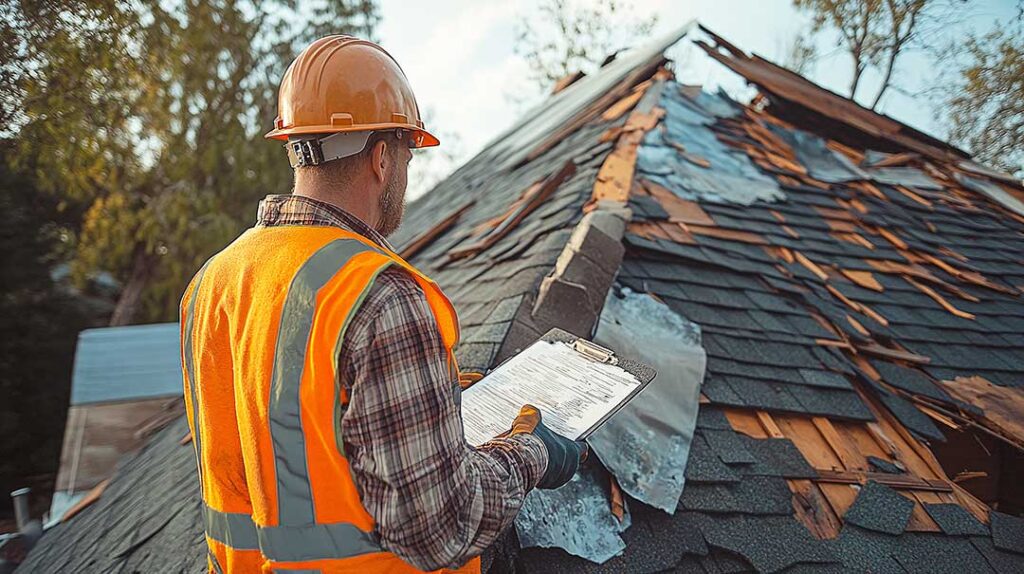
A roof is part of the home’s structure, so many roof-related losses fall under the dwelling coverage section of a homeowners insurance policy. That does not mean every roofing problem is covered. The cause of the damage, the policy language, the deductible, and the roof’s condition all matter.
For households in Greene, NY, winter weather, wind, falling branches, ice, and heavy rain can all create roof-related concerns. Understanding how insurance treats these situations can make it easier to respond calmly and avoid common misunderstandings.
Does homeowners insurance cover roof damage?
Homeowners insurance generally covers sudden and accidental damage caused by a covered event, such as wind, hail, fire, or a falling tree. It usually does not cover gradual deterioration, poor maintenance, or damage that existed before the covered event.
Examples of potentially covered losses include:
- Shingles torn away during a windstorm
- A tree limb puncturing the roof
- Fire damage affecting the roof structure
- Hail damage, if hail is a covered peril under the policy
- Water damage inside the home that results from a covered roof opening
Insurance coverage depends on the specific policy. A roof that is old, brittle, repeatedly patched, or already leaking may receive different treatment than a well-maintained roof damaged by a single storm.
What roof problems are usually excluded?
Insurance is not designed to pay for routine roof aging or deferred maintenance. Common exclusions or limitations may involve:
- Normal wear and tear
- Rot, mold, or deterioration caused by long-term moisture
- Repeated leaks that were not repaired
- Damage caused by insects, animals, or birds
- Defective installation or materials
- Ice dam damage, depending on the policy and the cause
- Water entering through an opening that developed gradually
A useful distinction is whether the roof failed because it was already worn out or because a specific event caused sudden damage. For example, missing shingles after a documented windstorm may be treated differently from shingles that have gradually cracked and loosened over many years.
Interior staining alone does not necessarily prove that the roof itself is covered. An insurer may investigate whether the water entered through storm-created damage, an old opening, flashing deterioration, a plumbing issue, or another source.
Does insurance pay for a whole new roof?
Not automatically. If a covered event damages only part of the roof, the insurer may consider the cost of repairing the damaged area rather than replacing the entire roof.
A full replacement may be considered when the damage is extensive, matching materials are unavailable, local requirements affect the repair, or the policy includes terms that support broader replacement. The policy’s settlement provisions control the outcome.
Coverage may also depend on whether the policy pays replacement cost or actual cash value:
- Replacement cost coverage is generally intended to pay the cost to repair or replace covered damage, subject to policy conditions and the deductible.
- Actual cash value coverage subtracts depreciation based on age and condition, which can result in a lower payment.
- Some policies pay actual cash value initially and release additional replacement-cost funds after completed repairs and documentation.
The declarations page may not explain every detail. The full policy, endorsements, exclusions, and claim settlement language should be reviewed.
How do deductibles affect a roof claim?
A deductible is the portion of a covered loss the homeowner pays before insurance contributes. If covered roof damage totals $6,000 and the applicable deductible is $2,000, the potential insurance payment may begin with the remaining $4,000, subject to other policy limits and conditions.
Policies may contain more than one type of deductible, including:
- A standard deductible
- A separate windstorm deductible
- A hurricane deductible in situations defined by the policy
Some wind-related deductibles are calculated as a percentage of the home’s insured dwelling limit rather than as a flat dollar amount. That can be substantially higher than the standard deductible. The declarations page should show which deductibles apply and how they are calculated.
Before filing a smaller claim, it is reasonable to compare the likely repair cost with the applicable deductible. However, delaying notice of a serious loss can create additional problems, especially if water continues entering the home.
What should a homeowner do after storm-related roof damage?
Safety comes first. Avoid climbing onto a damaged or icy roof. From the ground, look for missing shingles, exposed underlayment, fallen branches, sagging areas, damaged gutters, and water entering the attic or living space.
Practical first steps include:
- Take photographs and video from safe locations.
- Record the date and approximate time the damage was discovered.
- Protect belongings from active leaks by moving them away from the affected area.
- Use temporary measures to limit additional damage when it is safe to do so.
- Keep receipts for emergency materials, temporary protection, lodging, or other potentially related expenses.
- Notify the insurer promptly and ask about claim procedures.
- Do not discard damaged materials before the insurer has had a reasonable opportunity to inspect them, unless they create a safety hazard.

Temporary protection is generally different from permanent repairs. A tarp or emergency patch may help prevent further damage, but permanent replacement decisions should follow the policy’s claims process when possible.
Can an insurer deny a claim because the roof is old?
An older roof is not automatically excluded from every type of coverage. However, age and condition can affect eligibility, claim settlement, depreciation, renewal decisions, and the insurer’s view of whether the damage was sudden or the result of deterioration.
Some policies may limit payment for older roofing materials or settle roof damage on an actual cash value basis. Others may require specific roof information during underwriting or renewal. A homeowner should not assume that a prior inspection, an old insurance payment, or a recently purchased policy guarantees full replacement coverage.
Keeping records can help establish condition and maintenance history. Useful records may include roof installation information, repair invoices, inspection reports, photographs, permits where applicable, and notes about when a leak or storm damage was first observed.
Is flood damage to a roof covered by homeowners insurance?
Standard homeowners insurance generally does not cover flood damage. Flood insurance is separate, and its definition of flood may differ from ordinary rain entering through a damaged roof.
This distinction matters after severe storms. Water that enters through a storm-created roof opening may be treated differently from water that rises from outside and enters the home. Sewer backup and water backup may also require separate endorsements and may have their own limits.
Residents should review the policy before a loss occurs, especially if the property has drainage concerns, a basement, a low-lying section of land, or a history of water intrusion.
Can roof improvements affect insurance costs?
Some insurers offer discounts or underwriting considerations for features that reduce storm risk. Examples may include high-wind-rated roofing materials, roof-to-wall connections, reinforced roof decks, secondary water resistance, and hail-resistant roofing.
Eligibility depends on the insurer’s rules, documentation requirements, and the specific materials and installation methods. A roof upgrade should not be assumed to qualify for a discount without written confirmation from the insurer.
Insurance coverage should also be reviewed after a roof replacement or major renovation. The insured value of the dwelling may need adjustment to better reflect current rebuilding costs, which are different from the property’s market value.
What should be checked on the policy each year?
A yearly review can identify gaps before a storm occurs. Pay particular attention to:
- The dwelling coverage limit
- The standard deductible
- Windstorm or hurricane deductibles
- Replacement cost or actual cash value terms
- Roof-age provisions
- Water backup and sewer coverage
- Additional living expense coverage
- Exclusions for flood, ice, mold, or wear and tear
- Requirements for reporting losses and documenting repairs
For a complex claim, a licensed public adjuster or attorney may be appropriate, particularly if the loss is extensive or there is a serious disagreement over the amount or cause of damage. New York homeowners also have access to state insurance-regulatory information concerning claims, deductibles, adjusters, and complaints.
The most reliable approach is to understand the policy before the next storm, maintain reasonable roof records, and distinguish sudden covered damage from aging and maintenance issues.
