
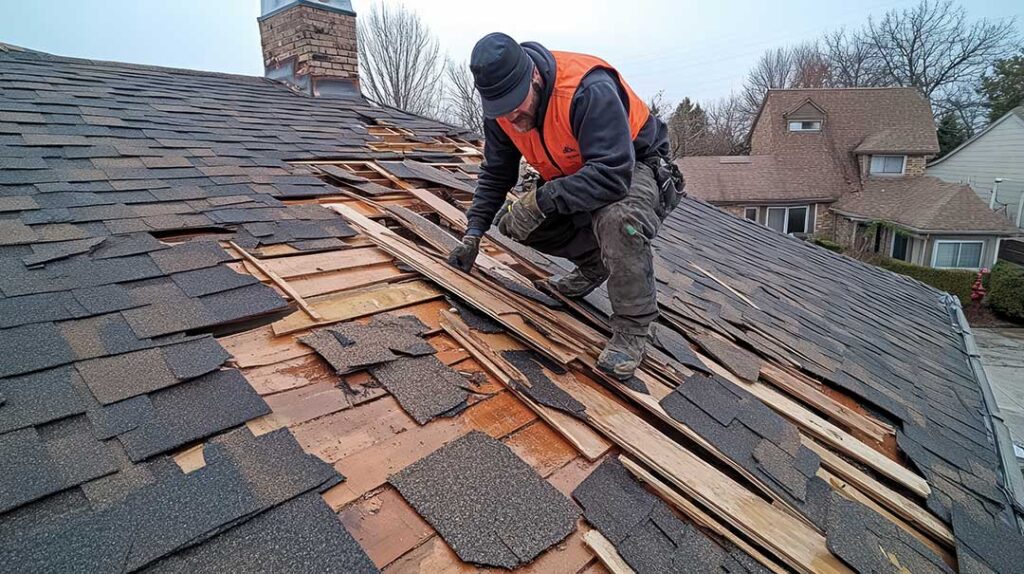
A new roof can reduce indoor allergens when it prevents moisture intrusion, limits hidden mold growth, and improves the air-sealing of the upper part of a home. Roofing alone does not remove dust, pollen, or pet dander, but a sound roof can help prevent building conditions that make those irritants harder to control.
How can a new roof affect indoor allergens?
A roof protects the attic and living areas from rain, melting snow, wind-driven moisture, and outdoor debris. If roofing materials or flashing have failed, water can enter around roof edges, vents, chimneys, skylights, or other penetrations. Even a small leak may dampen attic insulation, roof sheathing, ceiling materials, or wall cavities.
Damp materials create better conditions for mold and mildew. Their spores can travel through openings around light fixtures, attic hatches, ductwork, recessed ceiling areas, and plumbing penetrations. In homes with forced-air heating or cooling, particles from a contaminated attic or ceiling cavity may also be pulled toward the living space.
A properly installed replacement roof does not sterilize a house, but it can remove a major source of recurring moisture.
Can roof leaks cause mold and respiratory irritation?
Yes. A roof leak can contribute to mold growth, especially when wet materials remain damp for more than a short period. Mold spores are naturally present indoors and outdoors, but elevated growth inside a home may worsen irritation for people who are sensitive to mold.
Possible signs of a moisture-related indoor air problem include:
- A musty odor near the attic, upper-floor ceilings, or closets
- Brown, yellow, or gray ceiling stains
- Peeling paint or bubbling drywall
- Damp attic insulation
- Dark spotting on roof sheathing
- Repeated congestion, sneezing, coughing, or itchy eyes indoors
- Symptoms that improve after spending time away from the house
These signs do not prove that a roof is the only source of the problem. Plumbing leaks, basement moisture, condensation, and inadequate bathroom ventilation can create similar conditions. A roof replacement should be paired with a broader moisture inspection when indoor air quality is a concern.
Why does attic ventilation matter?
A roof system performs better when the attic can release heat and moisture. Ventilation does not replace leak repairs, and it cannot correct every indoor air problem, but balanced airflow can reduce condensation on the underside of the roof.
During cold Greene, NY winters, warm indoor air may escape into the attic through gaps around light fixtures, attic doors, wiring, ducts, and plumbing pipes. If that air meets cold roof sheathing, moisture can condense. Repeated condensation may support mold growth even when the roof covering itself is not leaking.
A roof replacement is an opportunity to evaluate:
- Whether intake and exhaust vents are balanced
- Whether soffit vents are blocked by insulation
- Whether the attic hatch is weather-stripped
- Whether recessed lights and other ceiling penetrations are properly sealed
- Whether bathroom or kitchen exhaust fans discharge outdoors
- Whether insulation is dry and evenly distributed
The goal is not to seal the attic completely. The goal is to keep the living space separated from the attic while allowing the attic to ventilate as designed.
Does a new roof reduce pollen indoors?
Only indirectly. Pollen usually enters through open windows and doors, on clothing and shoes, and through mechanical ventilation or air leaks in the building envelope. A new roof will not prevent seasonal pollen from entering a home.
It may help if the old roof has contributed to gaps, water-damaged ceiling materials, or poorly sealed attic passages. Replacing damaged materials and improving air sealing can reduce the movement of dusty attic air into upper rooms.
During spring and summer, residents may also reduce pollen entry by keeping windows closed during high-pollen periods, using properly maintained HVAC filters, removing shoes near entrances, and washing bedding regularly. These steps address the direct pathways that roofing cannot control.
Can roofing materials themselves release allergens?
Most modern roofing materials are not a significant source of common household allergens after installation. The larger concern is usually moisture beneath or around the roof system, along with dust and debris created during removal of old materials.
Roof replacement can temporarily disturb:
- Old insulation
- Deteriorated wood
- Dust in attic spaces
- Mold-affected materials
- Animal nesting material
- Roofing debris around the home
Containment and cleanup are especially important if a household member has asthma, severe allergies, or other respiratory sensitivity. Children, older adults, and people with weakened immune systems may also be more affected by airborne dust and mold particles.
If visibly moldy insulation or damaged structural materials are present, those materials may need separate evaluation and careful removal rather than simply being covered by a new roof.
What roof problems are most likely to worsen indoor air quality?
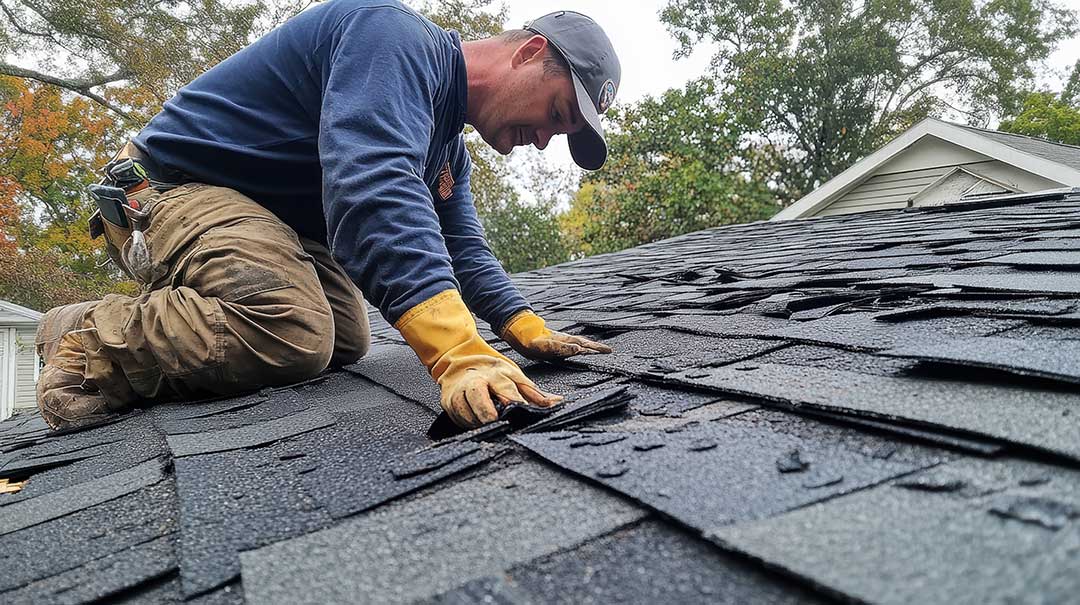
The most concerning issues are not always large, obvious leaks. Small, repeated moisture events can be enough to keep materials damp.
Common examples include:
- Failed flashing around roof penetrations
- Damaged pipe collars or vent seals
- Missing or deteriorated shingles
- Ice-related water entry along roof edges
- Clogged or poorly directed drainage
- Unsealed attic hatches
- Inadequate ventilation
- Roof sheathing that has remained damp over multiple seasons
- Gutters or downspouts that direct water toward walls and foundations
In Greene, NY, seasonal changes can place repeated stress on roofing materials. Freeze-thaw cycles, winter snow, strong winds, and heavy rain may expose weaknesses that are not obvious from the ground. A ceiling stain may appear long after the original water entry occurred, making the attic condition worth checking.
Will replacing the roof remove existing mold?
Not necessarily. A new roof stops future water entry only if the underlying cause has been corrected. Existing mold on roof sheathing, framing, insulation, drywall, or other materials may remain unless it is cleaned or removed using appropriate methods.
Mold cleanup should account for the material involved. Nonporous surfaces may sometimes be cleaned, while porous materials such as wet insulation or heavily damaged drywall may need replacement. Painting over discoloration does not reliably remove mold or solve the moisture source.
A roof replacement also will not correct mold caused by basement seepage, plumbing leaks, high indoor humidity, or unvented exhaust fans. The source of moisture must be identified before indoor air improvements can be considered complete.
What should homeowners check after a new roof is installed?
After roof work, the attic and upper ceilings should remain dry and free of new staining. Useful checks include:
- Looking for damp insulation after heavy rain
- Checking for musty odors
- Confirming that bathroom fans exhaust outside
- Keeping attic access covers sealed
- Watching for condensation on roof sheathing during cold weather
- Replacing damaged filters according to the heating or cooling system’s requirements
- Keeping gutters and drainage paths clear
- Checking that old leak stains are not expanding
If breathing symptoms continue after roof-related moisture has been corrected, other sources may need attention, including HVAC equipment, carpets, furnishings, crawl spaces, basements, and household humidity.
A new roof can support healthier indoor conditions by keeping the building dry and separating the living space from damp, contaminated areas. Its greatest allergen-related benefit comes from preventing moisture problems before they spread, not from acting as an air-cleaning system.
