
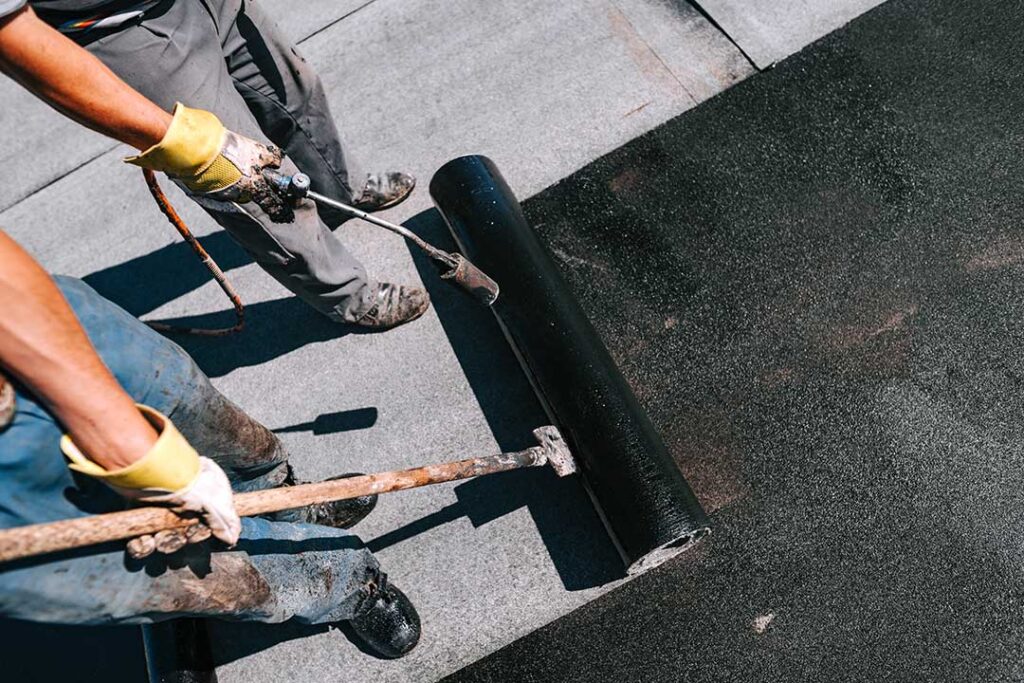
Roof repairs can look simple from the ground, but working above a lower level introduces serious fall, weather, electrical, and structural hazards. For residents of Greene, NY, some low-risk maintenance may be reasonable to handle independently, while repairs involving roof access, steep slopes, hidden damage, or temporary weather protection often require specialized safety equipment and experience.
The safest question is not only “Can this be repaired?” but also “Can it be reached, diagnosed, and completed without creating a greater hazard?”
What roof work is usually reasonable for a homeowner?
Minor tasks that can be completed from the ground or from a securely positioned ladder may be suitable for a capable homeowner. Examples include:
- Cleaning leaves from gutters while standing safely on the ground or using an appropriate extension tool
- Removing small branches resting on the roof from a safe location
- Checking visible flashing, gutters, downspouts, and roof edges from the ground
- Replacing a damaged gutter section when the work can be done without stepping onto the roof
- Sealing a small, clearly identified opening around a plumbing vent or flashing detail, provided the area can be reached safely
- Documenting a suspected leak with photographs from inside the attic or living space
Even these tasks deserve caution. A ladder should stand on firm, level ground, remain clear of overhead wires, and extend high enough to provide a stable handhold when stepping onto an elevated surface. A second person should be present whenever ladder work is necessary.
A ground-level inspection is often more useful than an unsafe attempt to climb onto the roof. Binoculars, attic observations, and photographs can reveal missing shingles, sagging areas, blocked drainage, or storm damage without exposing anyone to a fall.
When is it unsafe to work on the roof yourself?
Roof work becomes unsafe for most homeowners when it requires standing on the roof rather than working from the ground or a properly protected platform. A fall of only a few feet can cause severe injury, especially onto concrete, stone, landscaping, or a deck.
Avoid climbing onto a roof when any of the following conditions apply:
- The roof is steep, unusually high, or difficult to reach
- The surface is wet, icy, frosted, mossy, dusty, or covered with loose granules
- Wind, rain, snow, sleet, or lightning is present or expected during the work
- The roof has soft spots, sagging areas, exposed decking, or visible structural damage
- You would need to walk near an unprotected edge
- The task requires carrying bulky materials up a ladder
- You do not have properly installed fall-arrest or fall-restraint equipment
- You are working alone
- The roof is near overhead electrical lines
- You are not certain where skylights, fragile panels, or concealed openings are located
A roof can remain slippery after rain or overnight frost even when the surrounding ground appears dry. Seasonal freeze-thaw cycles can also loosen shingles, split sealant, and weaken roof decking without making the damage obvious from below.
Is a ladder enough protection for roof repairs?
A ladder is an access tool, not a complete roof safety system. It does not protect a person from sliding down a roof, stepping backward over an edge, or falling through a weak section.
Ladders can also become unstable when placed on uneven ground, snow, soft soil, or sloped paving. Moving a ladder while carrying tools creates another common risk. Tools should be secured so both hands remain available for climbing.
If a task requires stepping from a ladder onto the roof, walking along a slope, or working near an edge, additional fall protection is generally necessary. That may include properly rated anchors, harnesses, lifelines, guardrails, roof brackets, or a suitable elevated work platform. These systems must be selected, installed, and used correctly. An improvised rope, a chimney, a vent pipe, or a makeshift anchor is not a dependable substitute.
What roof repairs should not be DIY projects?
Certain problems involve more than replacing a surface material. They may affect the roof structure, water management, ventilation, or the safety of the building.
Homeowners should not treat the following as routine do-it-yourself work:
Structural damage
Sagging roof lines, cracked rafters, damaged trusses, widespread soft decking, or large areas of water damage may indicate a structural problem. Walking on weakened decking can cause a fall through the roof.
Active leaks during severe weather
A bucket placed indoors may limit immediate damage, but climbing onto a roof during wind, rain, or snow is hazardous. Temporary covering from the ground or from a safe interior location may be possible, but emergency roof access should not be attempted in dangerous conditions.
Chimney, skylight, and flashing repairs
These areas often require work on steep or irregular sections of the roof. Small openings can also conceal rot or water damage. A repair that appears to involve sealant may actually require replacement of damaged materials beneath the visible surface.
Ice dams and snow buildup
Removing roof snow or ice is especially hazardous. Ice can slide unexpectedly, hidden roof edges may be difficult to see, and metal tools can damage shingles or create electrical hazards if used near service lines. Interior heat loss, blocked ventilation, and gutter conditions may also need to be addressed.
Electrical or solar-related work
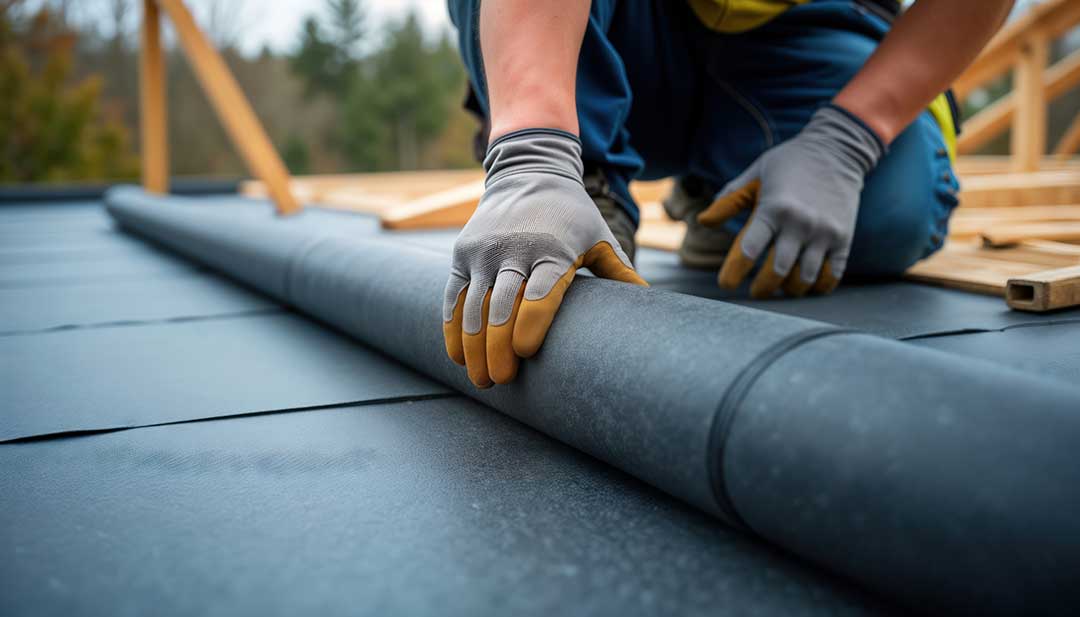
Roof work near service entrances, electrical equipment, or rooftop energy systems should not be approached casually. Contact with electrical components can cause fatal injury, even when no visible damage is present.
Can weather determine whether roof work is safe?
Yes. Weather should be treated as part of the safety assessment, not as a minor inconvenience.
For local households, the most difficult conditions often occur during winter freeze-thaw periods, spring rain, summer thunderstorms, and windy autumn weather. Shingles may become brittle in cold temperatures, sealants may not bond properly, and wet surfaces can remain slippery long after precipitation stops.
Postpone roof access if:
- Gusts make it difficult to control a ladder or materials
- Rain, snow, sleet, or frost is present
- Temperatures create ice or make roofing materials brittle
- Thunderstorms are nearby
- The roof has not had enough time to dry completely
Never assume a calm morning will remain calm for the entire job. Check the forecast, but also watch actual conditions at the property.
What should be checked before starting any roof project?
Before beginning, identify the work from the ground and decide whether roof access is truly necessary. Then consider:
- The height and slope of the roof
- The location of overhead wires
- The condition of ladders, footwear, and tools
- Whether a second person can assist
- How materials will be lifted without overloading a ladder
- Where debris will fall
- Whether children, pets, neighbors, or passersby could enter the work area
- Whether the building department requires a permit for the planned work
- Whether the repair could affect ventilation, insulation, fire safety, or drainage
For work performed as part of a construction job, fall-protection requirements generally apply when workers are exposed to significant height hazards. A homeowner working independently may not be treated the same way under every rule, but the physical danger does not change. If a task would require trained workers to use fall-protection equipment, that is a strong warning that it is not a casual weekend repair.
What is the safest role for a homeowner?
A homeowner can often contribute most safely by observing, documenting, preparing the interior, protecting belongings from leaks, clearing ground-level drainage, and identifying when conditions are unsafe. Roof work should stop immediately if the surface shifts, decking feels soft, weather changes, or the person becomes tired or uncertain.
The practical boundary is simple: ground-level inspection and minor maintenance may be manageable, but climbing onto a roof, repairing structural damage, working in winter conditions, or handling a steep or fragile surface carries risks that ordinary household tools cannot control. Safety, rather than convenience or cost, should determine where do-it-yourself work ends.
