
Why early roof damage is easy to miss
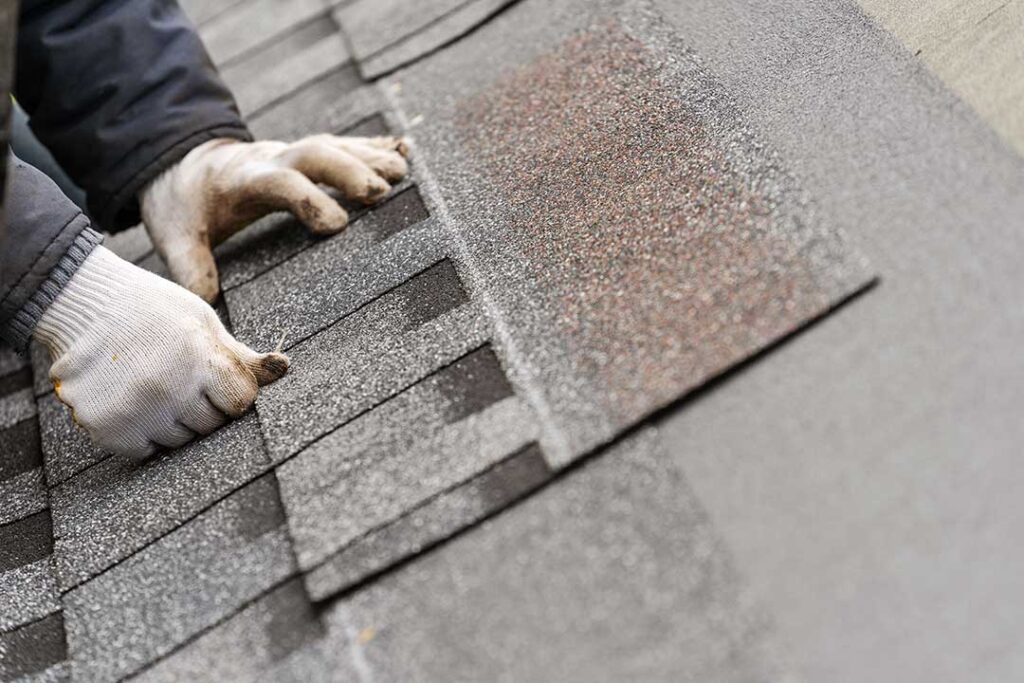
Roof problems often begin with small changes rather than an obvious leak. A few lifted shingles, a damp attic smell, or a patch of missing granules may not seem urgent, but these signs can allow water to reach roof decking, insulation, ceilings, and wall framing over time.
In Greene, NY, roofs face repeated seasonal stress from winter snow, freeze-thaw cycles, wind, rain, falling branches, and summer heat. Regular observation can reveal problems before they become interior damage.
What should be checked from the ground?
A ground-level inspection can identify many warning signs without climbing onto the roof. Use binoculars if needed, and inspect the roof from more than one angle.
Look for:
- Shingles that are missing, cracked, curled, buckled, or visibly lifted
- Uneven roof sections or areas that appear to sag
- Dark patches that remain after surrounding areas have dried
- Shingle granules collecting near downspouts or along the ground
- Exposed underlayment, roof edges, or fasteners
- Damaged flashing around chimneys, vents, skylights, and roof-to-wall transitions
- Sagging or detached gutters
- Tree limbs resting on or close to the roof
A small number of loose or damaged shingles does not always mean the entire roof needs replacement. It does mean water may have a new path into the roof system, especially during wind-driven rain.
Which roof surface changes are most concerning?
Granule loss, curling, and buckling are among the most common visible signs of aging or damage.
Granules protect asphalt shingles from ultraviolet exposure and weather. Some granules may wash away after installation or severe weather, but heavy accumulation in gutters or downspouts can indicate that the shingle surface is wearing down. Bare or unusually smooth areas deserve closer attention.
Curling shingles may turn upward at the edges or develop a wavy appearance. Buckled shingles can indicate moisture beneath the roofing material, poor ventilation, installation problems, or movement in the roof deck. These conditions can worsen during temperature changes.
Cracked shingles may result from age, wind, impact, or repeated expansion and contraction. A roof can still look mostly intact while individual damaged shingles allow water beneath the surface.
What can be learned by looking in the attic?
The attic often reveals roof damage before a ceiling stain appears. Inspect the underside of the roof during daylight hours and after heavy rain if it can be done safely.
Watch for:
- Water stains or dark streaks on roof decking
- Damp insulation or compressed insulation
- Rust around nails, metal fasteners, or roof penetrations
- Mold-like spotting or a persistent musty odor
- Daylight visible through the roof boards
- Wet or discolored wood
- Condensation on nails or the underside of the roof deck
A water stain does not always appear directly below the entry point. Water can travel along rafters, roof decking, insulation, or framing before reaching the ceiling. For that reason, a stain near an exterior wall or in an unexpected room can still be connected to the roof.
Condensation deserves special attention in colder months. Moist indoor air can enter an improperly sealed or poorly ventilated attic and condense on cold surfaces. That problem may resemble a roof leak, although both conditions can exist at the same time.
What indoor signs may point to roof damage?
Interior symptoms often appear after water has already moved beyond the roof covering. Check upper-floor ceilings, corners, exterior walls, and areas around attic access points.
Possible warning signs include:
- Brown, yellow, or gray ceiling discoloration
- Peeling paint or bubbling drywall
- Damp spots that grow after rain or snowmelt
- Dripping near light fixtures, vents, or ceiling fans
- Musty odors in upper rooms
- Staining around skylights, chimneys, or attic windows
- Warped trim or damp insulation near exterior walls
Water stains can dry and disappear from view while the underlying problem remains. A ceiling may look normal for weeks and then show fresh discoloration after the next storm.
If water is near electrical fixtures, avoid touching the fixture or nearby wet materials. Turn off power to the affected area only if the electrical panel can be reached without entering a wet or hazardous space.
How can gutters and downspouts reveal roof problems?
Gutters are part of the roof drainage system, so their condition can provide useful clues. Granules in the gutter may indicate shingle wear. Shingle fragments, roofing nails, or pieces of flashing may point to storm or material damage.
During rainfall, observe whether water flows into the gutters and exits through the downspouts. Overflow at the roof edge can result from clogged gutters, but it can also expose problems with roof drainage or sections that have settled.
Check for:
- Gutters pulling away from the roofline
- Water pooling near the foundation
- Rusted seams or open joints
- Downspouts that discharge against the house
- Large amounts of granules or roofing debris
- Ice buildup along the eaves during winter
Ice buildup can contribute to water backing up beneath shingles during freeze-thaw conditions. It may also be related to attic heat loss, insufficient insulation, or ventilation issues rather than the roof covering alone.
What roof damage can appear after wind, hail, or falling branches?
Storm damage is not always dramatic. Wind may lift shingle edges without removing the shingles completely. Hail can leave small dents, exposed spots, or fractured matting that are difficult to see from the ground.
After severe weather, inspect the property for:
- Shingles scattered in the yard
- Freshly exposed roof areas
- Dents in metal flashing, vents, or gutters
- Broken branches or bark on the roof
- New leaks in attic or upper-floor areas
- Bent or loosened drip-edge metal
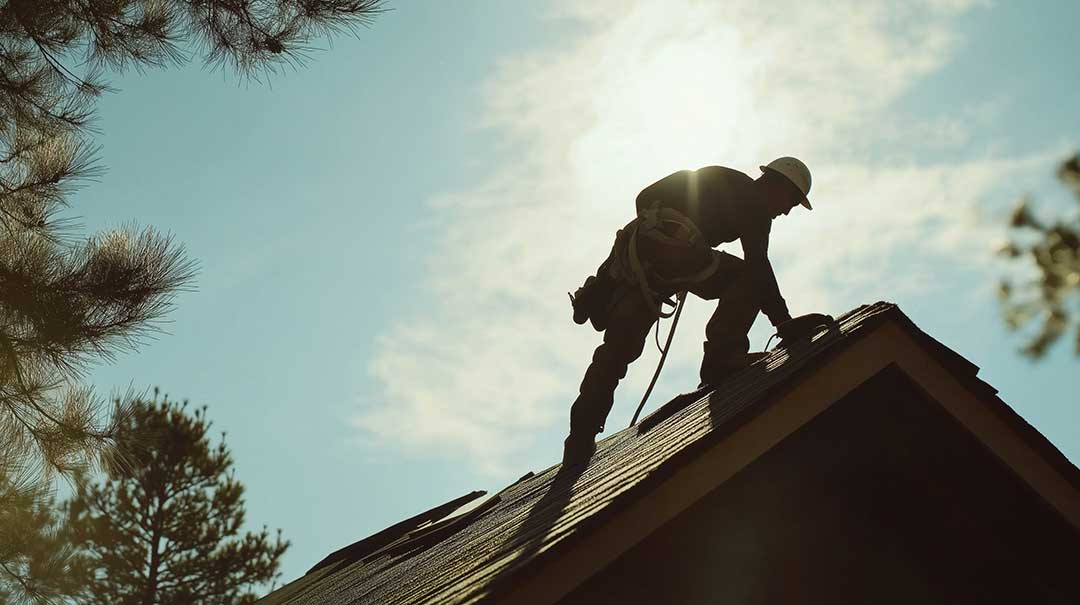
Do not climb onto a roof to inspect suspected storm damage while surfaces are wet, icy, steep, or unstable. A roof that appears intact from the ground may still have concealed damage.
How often should a roof be checked?
A practical routine is to look over the roof and drainage system at least twice a year, with additional checks after major wind, hail, ice, or heavy snowfall. Spring inspections can reveal winter damage, while fall checks can identify loose materials and blocked drainage before colder weather arrives.
Keep records of visible changes, including photographs taken from safe ground-level locations. Comparing images over time can help distinguish new damage from long-standing discoloration.
Roof age also matters, but age alone does not confirm failure. A relatively newer roof can be damaged by wind, falling limbs, improper ventilation, or installation defects. An older roof may remain watertight for a period while still showing signs that repairs or replacement planning should be considered.
Which signs require prompt attention?
Active dripping, a sagging ceiling, exposed roof decking, a large missing section of shingles, or water near electrical equipment should be treated as urgent safety concerns. Keep people away from sagging areas and avoid walking on a damaged roof.
For less urgent findings, such as isolated curling shingles or granules in gutters, documenting the condition and monitoring for change can help determine whether the issue is stable or worsening. The key is not to ignore a small sign simply because there is no leak indoors yet. Roof damage is often easier and less disruptive to address before water reaches insulation, framing, ceilings, and finished rooms.
