
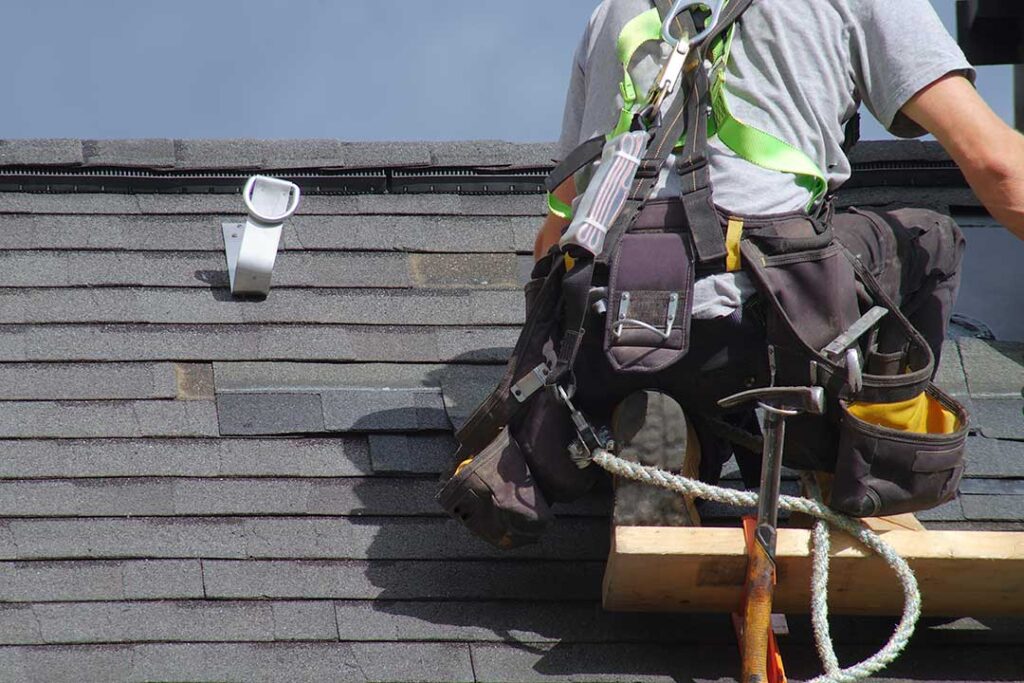
Is it safe to walk on a roof?
Walking on a roof is not automatically safe, even when the surface appears dry and easy to reach. The risk depends on the roof’s slope, material, age, condition, weather, and the equipment used to access it.
For most homeowners, the safest approach is to avoid walking on the roof unless the task truly requires it. Many inspections can be completed from the ground, attic, windows, or a properly positioned ladder. If roof access is necessary, careful preparation matters more than speed.
A fall from even a one-story roof can cause serious injury. Roof surfaces may also be weaker than they look, especially around skylights, valleys, edges, vents, and areas affected by moisture.
Which roofs are safest to walk on?
Low-slope roofs with a stable walking surface are generally easier to navigate than steep roofs, but no roof should be treated as risk-free. Asphalt shingles may provide some traction, yet they can become slippery from dew, frost, algae, moss, rain, or loose granules.
Metal roofing, slate, clay tile, and smooth membrane systems require particular caution. Metal can be slick and may have sharp edges. Slate and tile can crack under concentrated weight. Membrane roofing may be damaged by sharp footwear, tools, or repeated foot traffic.
A roof that appears nearly flat may still have hidden weak areas. Older roof decking can soften after years of leaks, and concealed damage may not be visible from above.
Do not walk on a roof if it has:
- A steep pitch that requires balancing or specialized equipment
- Wet, icy, frosted, or snow-covered surfaces
- Loose, cracked, curled, or missing roofing materials
- Sagging areas or visible structural damage
- Skylights, translucent panels, or brittle coverings
- Unprotected edges, fragile overhangs, or limited footing
- Active electrical hazards, such as nearby service lines
How should the weather be checked first?
Dry, calm conditions are the minimum starting point. A roof can remain hazardous after rainfall because moisture collects in shaded areas, roof valleys, and around plumbing or ventilation components.
In Greene, NY, seasonal weather can create additional hazards. Freeze-thaw cycles may loosen materials or leave hidden ice near roof edges. Snow and ice can overload roof structures, obscure skylights, and make ladders unstable. Strong wind can affect balance and cause ladders, tools, or loose roofing pieces to move unexpectedly.
Postpone roof access during:
- Rain, snow, sleet, or freezing conditions
- Early mornings with frost or heavy dew
- High winds or rapidly changing weather
- Extreme heat, when roofing surfaces may become soft
- Any period when visibility is reduced
The surface should be completely dry, and the ground around the ladder should also be firm and free from ice, mud, and clutter.
What equipment is needed?
Proper access equipment reduces risk but does not eliminate it. A sturdy extension ladder should extend above the roof edge enough to provide a secure handhold while stepping on or off the roof. The ladder must rest on level, stable ground and be positioned at a safe angle.
Use ladder stabilizers or a suitable securing method when available. The ladder should not rest against gutters, loose trim, or fragile roofing components. Never place a ladder on stacked blocks, boxes, barrels, or other improvised supports.
Wear footwear with clean, slip-resistant soles. Avoid shoes with worn tread, smooth soles, heavy mud, or metal components that could damage roofing materials. Keep both hands available while climbing by using a tool belt or hoisting small tools after reaching a safe position.
For sloped roofs, fall-protection equipment may be necessary. Harnesses, anchors, roof brackets, and lifelines must be compatible with the roof system and installed correctly. A loosely attached rope or improvised anchor can create a false sense of security.
How can someone walk on a roof with less damage?
Move slowly and step deliberately. Place each foot on a known solid area rather than stepping blindly over ridges, valleys, or roof penetrations.
On asphalt shingles, avoid stepping directly on exposed edges, raised tabs, damaged sections, or areas with excessive granule loss. Walking repeatedly in the same location can shorten the life of the roofing material.
Keep weight distributed over the soles of the feet instead of kneeling on sharp materials or placing tools directly on the roof. Do not drag ladders, buckets, hoses, or equipment across the surface.
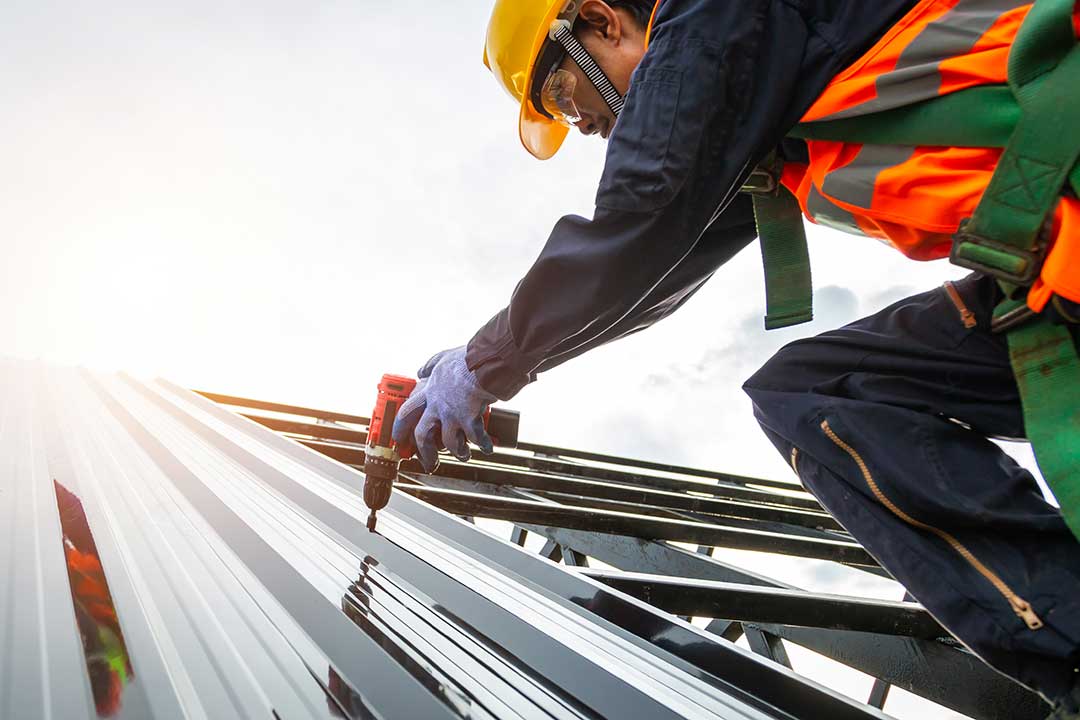
Stay away from:
- Roof edges and unprotected eaves
- Skylights and roof windows
- Valley channels, where water and debris collect
- Loose flashing around chimneys, vents, and walls
- Areas with moss, algae, or heavy staining
- Roof sections that sag, feel soft, or look discolored
Never jump across a roof section or step over an opening unless the surface and support are clearly confirmed.
How can skylights and weak areas be identified?
Skylights are especially dangerous because some are designed to admit light but are not designed to support a person’s weight. Dirt, snow, or roofing material may hide the frame, making the opening difficult to recognize.
Treat every translucent, cloudy, or unusually bright roof section as potentially fragile. Do not step on it, lean equipment against it, or use it as a handhold.
Soft spots may indicate damaged decking beneath the roof covering. A surface that bends, feels springy, or produces unusual movement should be treated as unsafe. Do not test a suspected weak area with repeated steps. Move back toward a known solid path and leave the roof if there is no secure route.
What should be done before climbing?
Tell another person where the work will take place and how long it should take. Keep a phone accessible, but do not rely on it as a substitute for supervision or fall protection.
Before climbing, inspect the ladder, check the roof from the ground, and remove distractions. Keep children and pets away from the ladder area. Secure loose clothing, and avoid carrying anything that blocks the view of the rungs or roof surface.
Plan the route before leaving the ladder. Identify where stable footing is available, where tools will be placed, and how the roof will be exited. Never climb onto a roof simply to retrieve an item during poor weather or low light.
When should roof access be avoided entirely?
Do not walk on a roof if there is uncertainty about its strength, slope, material, or condition. Avoid access when fall-protection equipment is unavailable for a steep or elevated roof, or when the work requires reaching beyond a safe standing position.
A person who is dizzy, fatigued, injured, affected by medication, or uncomfortable with heights should not climb. Roof work should also stop if wind increases, the surface becomes wet, or equipment shifts.
For Greene, NY households, roof access may be especially tempting after winter storms, strong winds, or heavy precipitation. A ground-level inspection can often identify missing shingles, displaced flashing, fallen branches, or blocked drainage without creating a fall hazard. If the roof appears structurally damaged, has widespread ice or snow, or cannot be accessed with reliable fall protection, staying off it is the safer decision.
Can a roof be inspected without walking on it?
Yes. Many warning signs can be checked from the ground with binoculars, from nearby windows, or inside the attic. Look for missing or displaced materials, sagging roof lines, dark ceiling stains, daylight entering through the decking, damp insulation, and water marks around chimneys or vents.
A roof does not need to be walked on for every routine observation. Limiting foot traffic helps preserve roofing materials and reduces unnecessary risk.
