
How often should a roof be inspected?
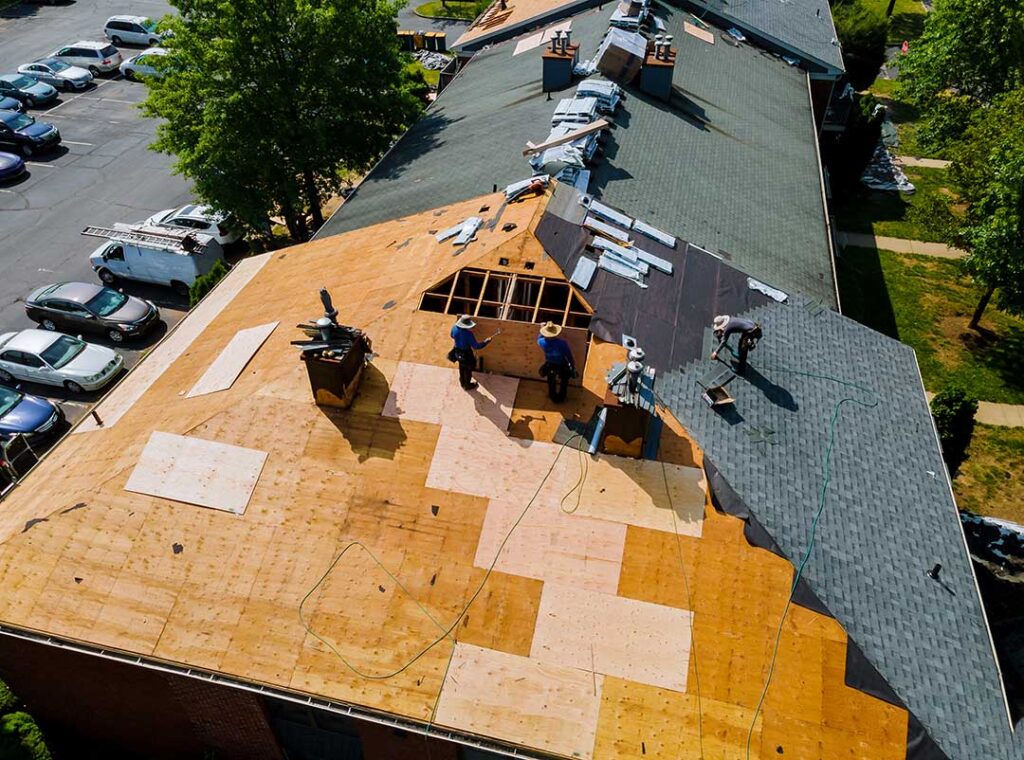
Most homes in Greene, NY benefit from a roof inspection at least once a year, with an additional inspection after major weather events. An annual review helps identify small problems before they develop into leaks, structural damage, or premature roof replacement needs.
For many households, the most practical timing is late spring or early summer. By then, the roof has gone through winter cold, snow, ice, wind, and repeated freeze-thaw cycles. A second inspection may be appropriate in fall if the roof is older, heavily shaded, surrounded by trees, or exposed to frequent storms.
A roof does not need to look visibly damaged for an inspection to be useful. Some problems begin beneath shingles or around flashing, vents, chimneys, and roof edges.
Why is spring a useful time for a roof inspection?
Spring is often the best time to evaluate winter-related wear. Snow and ice can loosen shingles, damage flashing, block drainage paths, and place stress on roof edges. Freeze-thaw movement may also open small gaps that are not immediately visible from the ground.
A spring inspection can look for:
- Missing, cracked, lifted, or curling shingles
- Exposed fasteners or areas where roofing material has shifted
- Damaged flashing around chimneys, vents, and wall intersections
- Sagging sections or visible changes in the roofline
- Ice-related damage at eaves and gutters
- Water stains in attics or on upper-floor ceilings
- Damp insulation, musty odors, or signs of mold growth
- Granules collecting in gutters or near downspouts
Spring is also a useful time to check whether winter moisture has reached the attic. A roof covering may appear intact while water is entering through a small opening and traveling along rafters or insulation.
Should a roof be inspected after a storm?
Yes. A roof should be checked after severe wind, hail, heavy rain, or unusually wet snow, especially if nearby trees have lost branches. Storm damage is not always obvious from the ground, and some problems become visible only after the next rainfall.
An inspection is especially sensible when:
- Shingles or roofing pieces are found in the yard
- Gutters contain unusual amounts of shingle granules
- A tree limb has touched or struck the roof
- Water appears in the attic, ceiling, or upper walls
- Flashing looks bent or displaced
- Gutters, downspouts, or roof edges have pulled away
- The roof makes new sounds during wind
- Daylight is visible through the attic roof deck
Safety matters after storms. Residents should avoid climbing onto wet, icy, or damaged roofing. A ground-level visual check and an attic inspection from a stable floor can provide useful information without creating additional risk.
Is fall a good time to schedule an inspection?
Fall can be a practical inspection season, particularly for older roofs or homes surrounded by mature trees. Leaves, needles, and small branches can collect in valleys, gutters, and drainage areas. If these materials remain wet, they may hold moisture against roofing components and encourage deterioration.
A fall inspection can also identify issues before winter arrives. Loose shingles, damaged flashing, weak roof edges, and blocked drainage are easier to address before snow and ice make access more difficult.
Homes with steep slopes, multiple roof sections, dormers, skylights, or additions deserve particular attention. Each change in roof shape creates additional seams and transition points where water may enter.
When should a roof be inspected before winter?
An inspection before winter is worthwhile when there are signs of aging, previous leaks, or storm exposure. It is also helpful when the roof is approaching the later part of its expected service life, although age alone does not determine its condition.
Before winter, check whether:
- Shingles are brittle, cracked, or missing
- Roof edges appear uneven or weakened
- Gutters are loose or pulling away
- Downspouts discharge water near the foundation
- Attic ventilation appears blocked
- Previous leak stains have expanded
- Moss, algae, or debris are covering roofing materials
- Snow guards, vents, or flashing are loose
A winter inspection does not replace maintenance. Clearing debris, keeping drainage paths open, and correcting small defects before freezing conditions can reduce the chance of water entering during snow or ice events.
What signs mean an inspection should happen sooner?
Certain symptoms justify an inspection at any time of year. A ceiling stain may result from a roof leak, but it can also come from plumbing, condensation, or ventilation problems. The source still needs to be identified before the damage spreads.
Schedule a timely inspection when there is:
- A new water stain or peeling paint on an upper ceiling
- Damp insulation or visible moisture in the attic
- A persistent musty smell near the top floor
- Shingles that are curling, buckling, or losing surface granules
- Daylight visible through the roof deck
- Sagging along the roofline or interior ceiling
- Damaged flashing around a chimney, vent, or skylight
- Repeated leaks in the same location
- A sudden increase in drafts or temperature changes in the attic
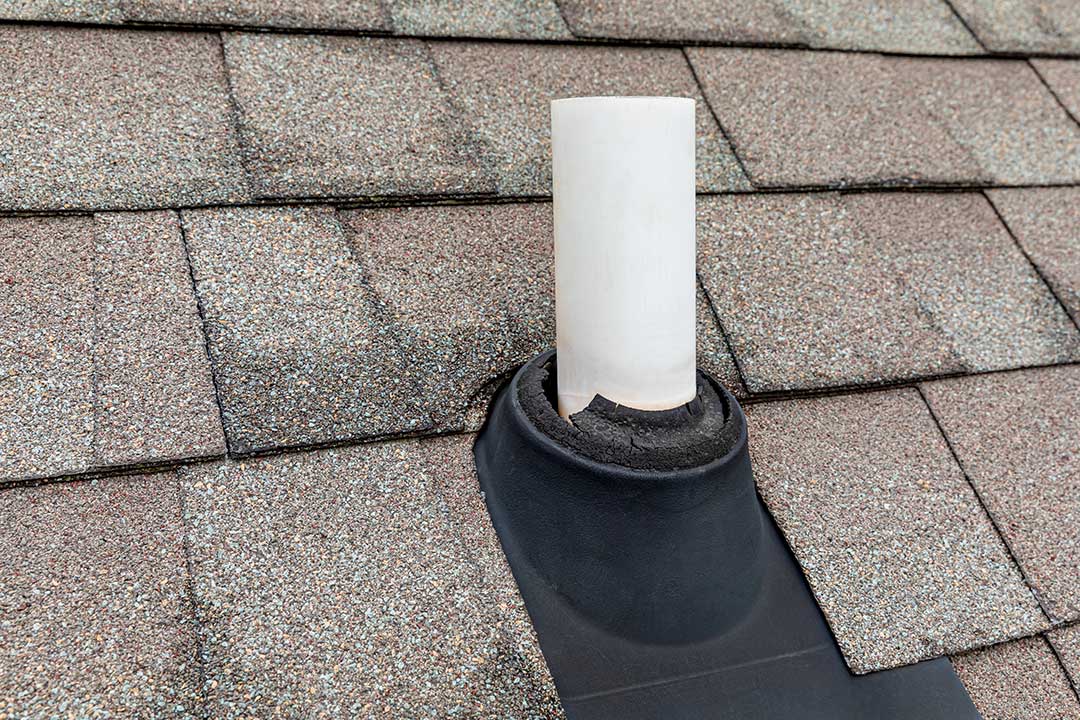
A leak may stop temporarily when the weather becomes dry. That does not necessarily mean the underlying problem has resolved. Water can move along framing before appearing indoors, so the visible stain may be several feet away from the entry point.
Does roof age determine inspection timing?
Roof age is useful, but it should not be the only factor. A newer roof can be damaged by wind, installation problems, falling branches, or poor drainage. An older roof may continue performing well if it has been properly maintained and has good ventilation and drainage.
As a roof gets older, inspections should generally become more deliberate and more frequent. Particular attention should be paid to areas that receive concentrated water flow, such as valleys, lower roof slopes, eaves, and locations beneath large trees.
Records of past repairs are also helpful. If a home has experienced repeated patching, several inspections may be needed to determine whether isolated repairs are still reasonable or whether broader deterioration is present.
What can residents check safely from the ground?
A ground-level review can identify warning signs, but it cannot replace a close inspection. Using binoculars can make it easier to examine upper roof surfaces without climbing.
Look for:
- Uneven or wavy roof lines
- Missing or displaced shingles
- Dark areas that remain wet after surrounding areas dry
- Exposed underlayment or wood
- Rusted, bent, or separated flashing
- Sagging gutters
- Debris lodged in valleys
- Branches touching the roof
- Excessive moss or plant growth
Inside the home, inspect the attic and upper ceilings after rain. Look for wet insulation, staining, peeling surfaces, rusty nails, or light entering through the roof deck. Do not walk on attic insulation or step between framing members unless a safe, solid walking surface is present.
How should inspection timing change for local homes?
Homes in Greene, NY face seasonal conditions that can place repeated stress on roofing systems, including snow, ice, wind, heavy rain, and temperature changes. Tree cover, roof slope, attic ventilation, and drainage design can make one house more vulnerable than another.
For a typical home, a reasonable schedule is:
- Late spring or early summer: Inspect for winter damage and moisture problems.
- After major storms: Check for wind, hail, falling-branch, and water-entry damage.
- Early fall: Review drainage, roof edges, and vulnerable areas before winter.
- Any time warning signs appear: Do not wait for the next annual inspection.
The right schedule depends on the roof’s age, material, design, surroundings, and history of repairs. Annual inspections provide a useful baseline, while storm-related checks and prompt attention to warning signs help prevent minor defects from becoming larger household problems.
