
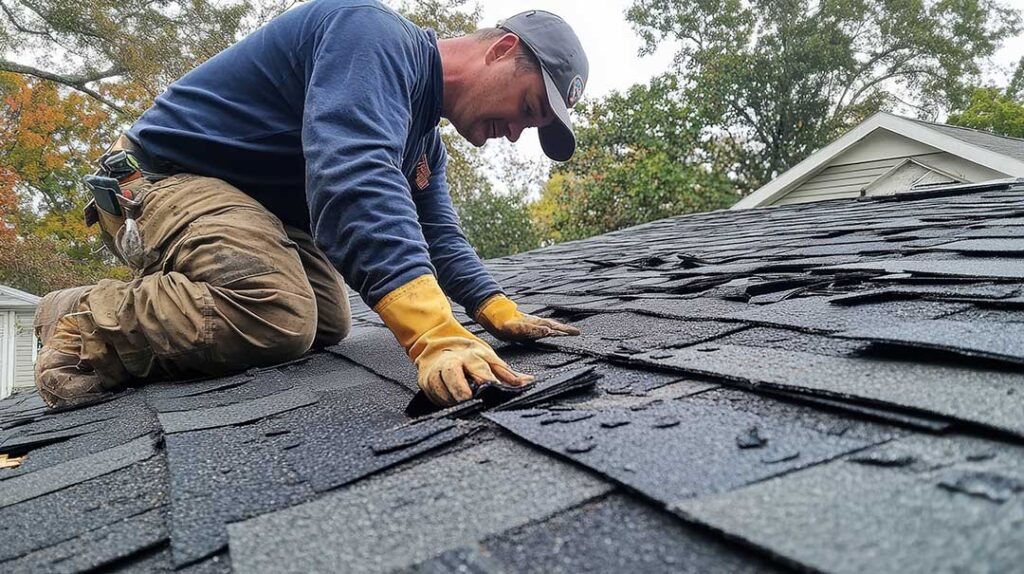
Understanding common roofing language makes it easier to recognize maintenance needs, read inspection notes, and ask informed questions about a home’s condition. For residents of Greene, NY, the subject is especially relevant because roofs must handle snow, wind, rain, ice, and repeated freeze-thaw cycles.
What are the main parts of a roof?
A roof is more than the visible shingles. It is a layered system designed to shed water, resist weather, and protect the structure below.
- Roof deck: The structural surface attached to the rafters or trusses. It is commonly made from plywood or oriented strand board.
- Underlayment: A water-resistant layer installed over the roof deck and beneath the roof covering. It provides an additional line of defense if water gets beneath shingles.
- Roof covering: The visible exterior material, such as asphalt shingles, metal panels, slate, or wood shakes.
- Flashing: Thin pieces of metal or other approved material installed around roof edges, walls, chimneys, skylights, and other transitions. Flashing directs water away from vulnerable joints.
- Eaves: The lower edges of a roof that extend beyond the exterior walls.
- Rake: The sloped edge running from the eave toward the roof peak.
- Ridge: The highest horizontal line where two sloping roof surfaces meet.
- Valley: The inside angle where two roof sections meet. Valleys carry a large amount of runoff and require careful installation.
- Soffit: The underside of the roof overhang.
- Fascia: The vertical board along the roof edge, often located behind the gutters.
Damage to one component can affect others. For example, deteriorated fascia may be linked to overflowing gutters, while a failed flashing joint may allow water to reach the roof deck.
What does roof pitch or slope mean?
Roof pitch describes how steeply a roof rises compared with its horizontal distance. It is often written as a ratio, such as 6:12, meaning the roof rises 6 inches for every 12 inches of horizontal run.
Pitch affects:
- How quickly water and snow leave the roof
- Which roofing materials are suitable
- How easily workers can safely move across the surface
- The amount of ventilation and attic space available
- How vulnerable the roof may be to drifting snow or ice buildup
A low-slope roof is not the same as a flat roof. Even a roof described as flat usually has a slight pitch so water can drain. Standing water is a warning sign because it can accelerate deterioration of roofing materials and seams.
What is an ice dam?
An ice dam is a ridge of ice that forms along a roof edge and prevents melting snow from draining. Water can then back up beneath the roof covering and enter the attic or walls.
Ice dams are more likely when heat escapes into a cold attic, warming portions of the roof while the eaves remain below freezing. In a winter climate such as Greene, uneven insulation, air leaks, poor ventilation, and heavy snow can all contribute.
Important related terms include:
- Ice barrier: A water-resistant membrane installed near vulnerable roof edges and other areas where ice-related backup may occur.
- Eave: The lower roof edge where ice dams commonly develop.
- Attic bypass: An unsealed opening that allows warm indoor air to enter the attic, such as gaps around wiring, plumbing, recessed lights, or ductwork.
Ice dams should not be chipped away with sharp tools. That can damage shingles, membranes, gutters, and the roof deck.
What is roof ventilation, and why does it matter?
Roof ventilation allows air to move through the attic or roof assembly. A balanced system usually brings air in through soffit vents and lets warm, moist air escape through higher openings such as ridge vents, gable vents, or other approved vents.
Proper ventilation can help reduce:
- Moisture buildup and condensation
- Mold or wood decay in the attic
- Excessive summer heat
- Uneven roof temperatures that contribute to ice dams
- Premature aging of some roofing materials
More vents do not automatically mean better ventilation. Intake and exhaust openings need to work together, and insulation should not block the intended airflow path at the eaves.
A common misconception is that attic ventilation replaces insulation. Ventilation and insulation serve different purposes. Insulation slows heat transfer, while ventilation helps manage air movement and moisture.
What is flashing, and where are leaks most likely to begin?
Flashing protects areas where the roof intersects with another surface. Common locations include chimneys, plumbing vent pipes, skylights, dormers, sidewalls, and roof valleys.
Roof leaks do not always appear directly below the damaged area. Water can travel along the underside of the roof deck, rafters, insulation, or wall framing before becoming visible indoors.
Signs that may point to flashing or drainage problems include:
- Brown ceiling or wall stains
- Damp insulation
- Peeling paint near upper walls
- Soft or discolored wood in the attic
- Rust around metal components
- Water appearing after wind-driven rain rather than ordinary rainfall
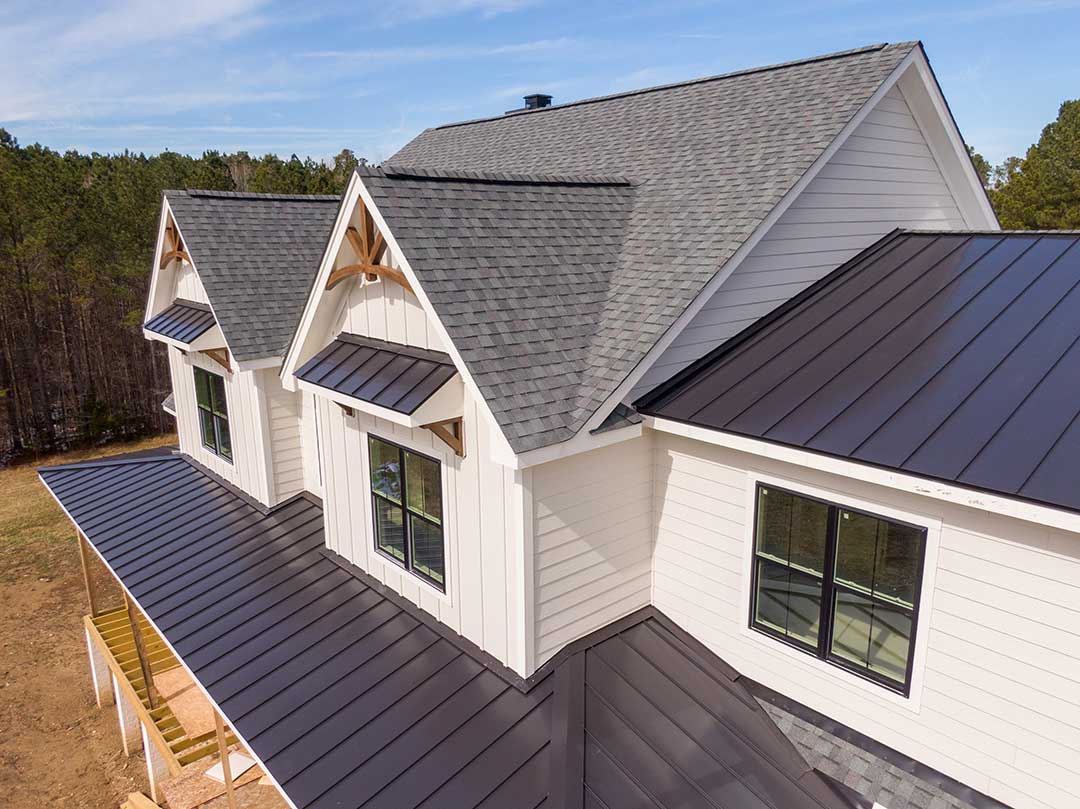
Roof cement or sealant may temporarily cover a symptom, but it does not necessarily correct a failed flashing design or damaged material.
What do shingle terms such as granules, tabs, and courses mean?
Most residential asphalt shingles contain a fiberglass or organic base coated with asphalt and mineral granules.
- Granules: Small mineral particles that protect the shingle from sunlight and weather.
- Tab: The exposed portion of a traditional strip shingle.
- Course: A horizontal row of roofing material.
- Starter strip: The first roofing layer installed along the eave. It helps seal the lower edge and support the first visible course.
- Hip and ridge cap: Special pieces installed along sloping outside corners and the roof peak.
- Algae staining: Dark streaks or discoloration caused by biological growth. Staining does not always mean the shingles are leaking or structurally damaged.
- Blistering: Raised areas that may appear on shingle surfaces. Blisters can be related to moisture or manufacturing and should be evaluated in context.
- Curling or buckling: Distortion that may result from age, moisture, inadequate fastening, poor ventilation, or installation problems.
Missing shingles, exposed fasteners, and widespread loss of granules deserve closer attention than isolated cosmetic discoloration.
What are roof recover and roof replacement?
A roof replacement removes the existing roof covering and installs a new roofing system. This process may reveal damaged decking, deteriorated flashing, or moisture problems that were not visible beforehand.
A roof recover installs a new roof covering over an existing layer when the structure and existing materials meet applicable requirements. Recovering is not suitable for every roof. Excessive layers, trapped moisture, damaged decking, poor drainage, or incompatible materials can make removal necessary.
Local requirements should also be checked before work begins. In Greene, roofing permits are required for roof replacement and roof recover work, and unapproved work may result in enforcement action or fines.
Which roof problems require prompt attention?
Some conditions should not wait for routine maintenance:
- Active water entering the home
- Sagging roof areas
- Large sections of missing or lifted roofing
- Exposed roof deck
- Structural damage around a chimney or valley
- Fallen branches or other impact damage
- Electrical equipment exposed to water
- Heavy snow or ice creating an apparent structural hazard
Walking on a roof is risky, especially when surfaces are wet, icy, steep, or damaged. Interior inspection from the attic, ground-level observation, and photographs from a safe location can provide useful information without creating another hazard.
Knowing these terms does not require a homeowner to diagnose every roofing problem. It does make it easier to distinguish ordinary aging from conditions involving water entry, structural deterioration, ventilation, drainage, or code requirements.
