
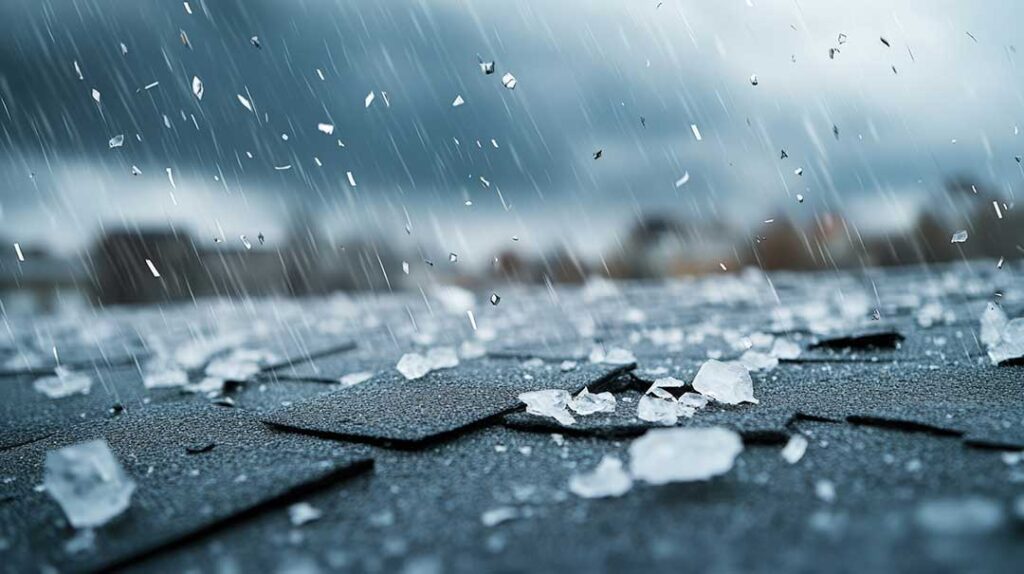
Roofing technology is changing in practical ways, not just through futuristic materials. Newer systems can improve weather resistance, attic ventilation, energy performance, leak detection, and maintenance planning—benefits that matter in Greene, NY, where roofs must handle snow, ice, wind, heavy rain, and repeated seasonal temperature changes.
The most useful innovations are not always the most visible. A roof may look traditional while incorporating improved underlayment, stronger fastening methods, reflective surfaces, ventilation controls, or monitoring tools beneath the finished covering.
What roofing technologies are becoming more common?
Modern roofing improvements generally fall into four categories: better materials, better installation methods, better energy management, and better monitoring.
Examples include:
- Impact-resistant and wind-rated roof coverings
- Synthetic underlayments that resist tearing and moisture
- Self-sealing membranes around vulnerable roof openings
- Solar-reflective surfaces and “cool roof” materials
- Integrated roof-and-attic ventilation systems
- Sensors that detect moisture or unusual temperature changes
- Digital roof measurements using aerial imaging
- Recyclable or partially recycled roofing materials
Some technologies are designed for new construction, while others can be used during reroofing or repairs. Compatibility with the existing roof structure is always a practical consideration.
Are newer shingles more durable than older ones?
Many newer shingles are engineered for better resistance to wind uplift, impact, algae growth, and temperature changes. However, “newer” does not automatically mean “longer-lasting.” Durability depends on the material, installation quality, roof slope, attic conditions, exposure, and maintenance.
In a snowy, freeze-thaw climate, useful improvements may include:
- Stronger adhesive strips that help shingles resist wind
- More flexible materials that perform better during temperature swings
- Reinforced surfaces that reduce damage from branches or hail
- Improved flashing around chimneys, walls, vents, and roof edges
- Underlayments that provide additional protection if water gets beneath the outer layer
Impact-resistant materials can be helpful where falling branches or severe weather are concerns. Their performance is usually described by testing classifications, but those ratings do not guarantee that a roof will never be damaged.
How do modern underlayments protect a roof?
The roof covering is only one layer of a complete roofing system. Underlayment sits beneath shingles or other exterior materials and provides secondary protection against water.
Synthetic underlayments are often lighter and more resistant to tearing than older felt products. Some newer membranes are designed specifically for vulnerable areas such as eaves, valleys, and roof edges, where wind-driven rain and ice buildup can create problems.
Self-adhering membranes may help protect:
- Eaves where ice dams can form
- Valleys where several roof surfaces meet
- Areas around skylights and chimneys
- Roof-to-wall intersections
- Low-slope sections that drain more slowly
These materials do not replace proper drainage or ventilation. They are another layer of defense, not a substitute for sound roof design.
Can roofing technology reduce ice-dam problems?
Technology can reduce risk, but no roofing product can guarantee that ice dams will not form. Ice dams usually involve a combination of attic heat loss, uneven roof temperatures, snow cover, and limited drainage.
The most effective approach is usually a complete attic and roof system that includes:
- Adequate insulation at the attic floor
- Air sealing around ceiling penetrations
- Balanced intake and exhaust ventilation
- Proper roof-edge protection
- Safe removal of excessive snow when conditions require it
Heated cables are sometimes used in problem areas, but they should not be treated as a permanent solution for poor insulation or ventilation. They also require careful installation and monitoring.
For local homes, roof design matters as much as the covering itself. Valleys, dormers, additions, enclosed porches, and roof sections with different slopes can create areas where snow and water behave differently.
How can a roof make a home more energy efficient?
Roofing technology affects energy use mainly through surface reflectivity, insulation, ventilation, and moisture control.
Reflective roofing surfaces can reduce heat absorption during sunny weather. This may be more valuable in low-slope roofs or homes with limited attic space. In colder climates, however, reflective materials alone are not a complete energy strategy. Insulation and air sealing are often more influential because they reduce heat loss during the heating season.
A well-performing roof system helps by:
- Keeping attic temperatures more stable
- Limiting heat loss through the ceiling
- Reducing moisture buildup
- Supporting more consistent indoor temperatures
- Protecting insulation from roof leaks
Attic ventilation must be designed carefully. More ventilation is not always better if intake and exhaust paths are unbalanced or if air leaks allow warm indoor air to enter the attic.
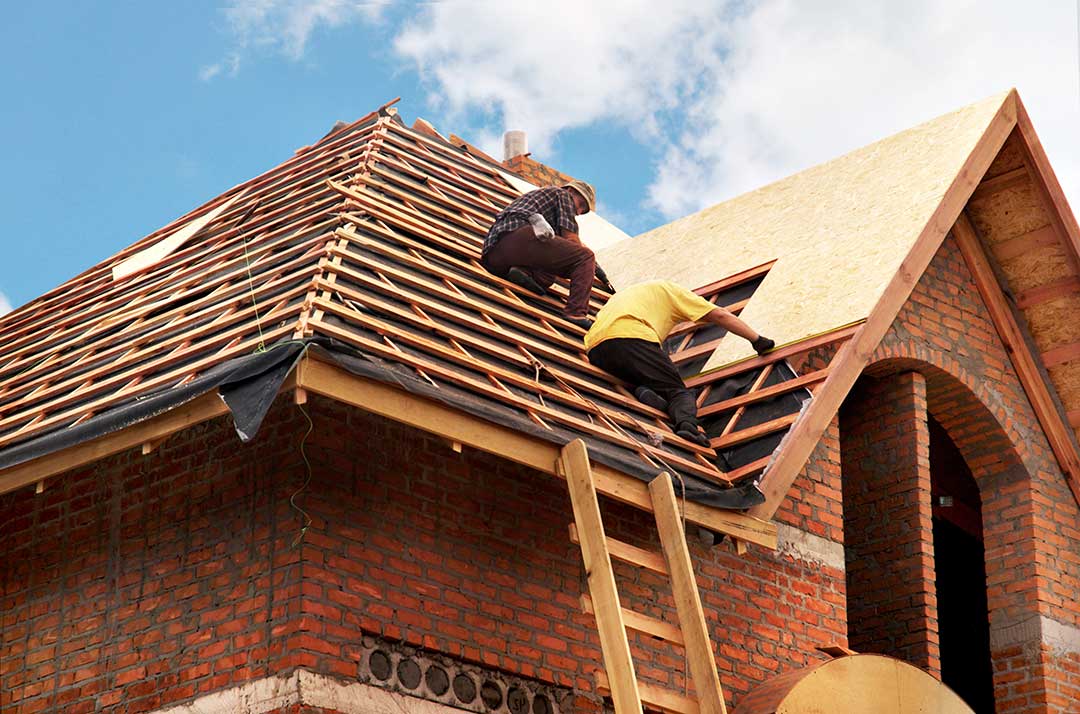
Are solar shingles practical for local homes?
Solar shingles combine roof covering with electricity-producing cells. They can provide renewable energy while maintaining a more uniform appearance than conventional rooftop panels.
Their practicality depends on roof orientation, shade, roof geometry, electrical needs, and the condition of the existing roof. A roof with multiple small sections, dormers, chimneys, or heavy shade may produce less electricity than a simple, unobstructed roof surface.
Solar roofing also raises questions about future repairs. If a leak develops or part of the roof needs replacement, the electrical components may require specialized handling. The roof’s age should therefore be considered before adding any integrated solar product.
Traditional solar panels remain a separate option, but any roof-mounted energy system must be evaluated for attachment points, flashing, snow loads, and long-term access.
Can sensors detect roof leaks before damage becomes visible?
Some newer systems use moisture sensors, temperature monitoring, or connected alarms to identify possible leaks before stains appear on ceilings. These tools may be useful in areas that are difficult to inspect, such as flat roof sections, commercial-style additions, or attics with limited access.
Sensors can help identify:
- Moisture near roof penetrations
- Unusual temperature differences
- Water collecting beneath roofing membranes
- Changes in attic humidity
- Repeated wetting in the same location
Monitoring technology is not a replacement for physical inspection. A sensor may show that moisture exists without identifying the exact entry point. Batteries, connectivity, placement, and maintenance also affect reliability.
What role does aerial imaging play in roof maintenance?
Aerial imaging and digital measurement tools can document roof dimensions, slopes, drainage paths, and visible wear without requiring someone to walk across every surface.
This can be especially useful for:
- Steep or difficult-to-access roofs
- Comparing roof conditions over time
- Planning material quantities
- Identifying missing or displaced roof coverings
- Reviewing areas after a major storm
Images should be treated as an inspection aid rather than a complete diagnosis. Small flashing failures, concealed moisture, attic mold, and soft roof decking may not be visible from above.
Which innovations matter most for an older home?
For an older home, the most valuable improvements are often basic technologies applied correctly. Better flashing, improved underlayment, reliable ventilation, air sealing, and stronger roof-edge protection may provide more practical value than a highly specialized product.
Before choosing a new system, homeowners should consider:
- The age and condition of the roof structure
- Whether the attic has adequate insulation
- Signs of moisture or poor ventilation
- The number of roof penetrations
- Areas where snow collects or ice forms
- Whether future solar installation is being considered
- How replacement materials will be handled at the end of their service life
Innovation is most useful when it matches the building. A durable roof is not simply a high-tech surface; it is a coordinated system that manages water, air, heat, snow, and movement over time.
