
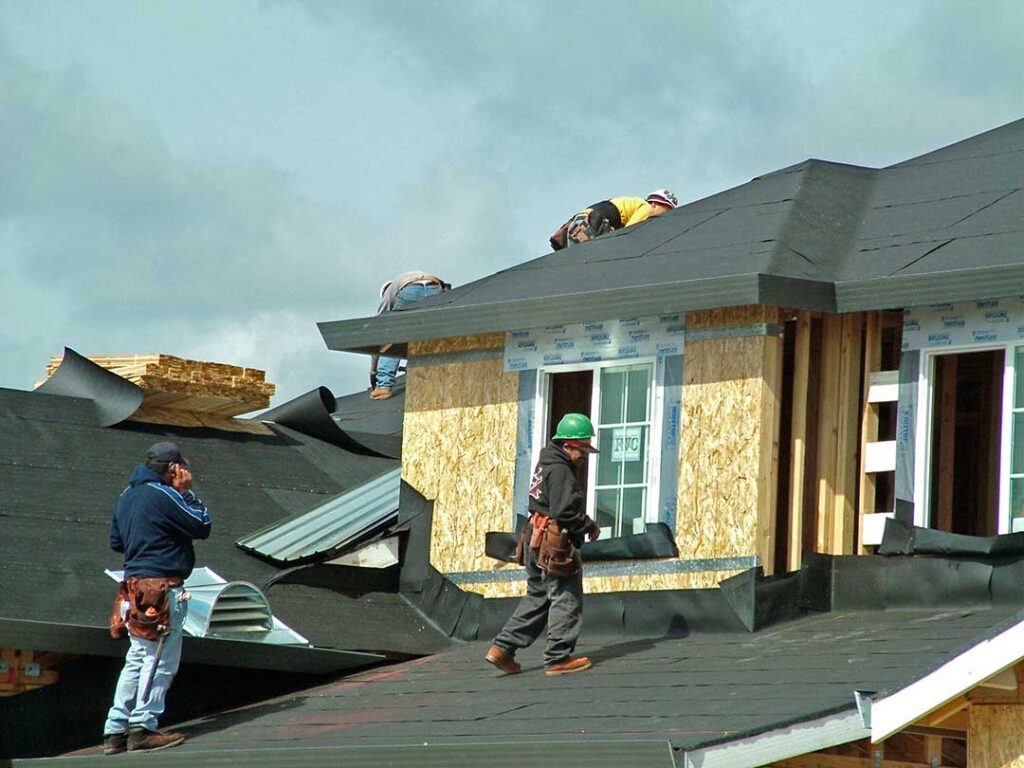
How long does a typical roof last in Greene, NY?
A typical asphalt shingle roof lasts about 15 to 30 years, although some roofs need major repairs much sooner and others remain serviceable longer. The actual lifespan depends on the roofing material, installation quality, attic ventilation, roof slope, maintenance, and exposure to weather.
For households in Greene, winter snow, freezing temperatures, ice formation, wind, spring moisture, and summer heat can all affect how quickly roofing materials age. A roof’s “expected life” is a useful planning estimate, not a guarantee.
How long do common roofing materials last?
Different materials have different service ranges. These are broad expectations for residential roofs maintained under ordinary conditions:
- Three-tab asphalt shingles: About 15 to 20 years
- Architectural asphalt shingles: About 20 to 30 years
- Premium asphalt shingles: Approximately 25 to 40 years, depending on the product and exposure
- Metal roofing: About 40 to 70 years
- Wood shingles or shakes: Roughly 20 to 30 years when properly maintained
- Slate roofing: Often 75 years or more
- Tile roofing: Commonly 50 years or longer, although the supporting structure and underlayment may need attention before the tiles do
Asphalt shingles are common because they are relatively adaptable, widely available, and easier to repair than many heavier materials. Their lifespan can vary significantly even among roofs installed during the same year.
A roof with a product marketed as “30-year” is not necessarily guaranteed to last 30 years. The rating generally describes expected performance under defined testing and installation conditions. Local weather and the condition of the complete roof system still matter.
What shortens a roof’s lifespan?
The roofing surface is only one part of the system. Problems beneath or around the shingles can reduce service life even when the shingles themselves appear acceptable.
Poor attic ventilation
An attic that stays excessively hot in summer or holds too much moisture in winter can accelerate shingle aging and damage roof decking. Proper ventilation helps moderate temperature and moisture levels, but ventilation must be balanced with adequate insulation and air sealing.
Ice dams and repeated freeze-thaw cycles
Ice dams form when melting snow refreezes near the colder roof edge. The resulting water can work beneath shingles and damage underlayment, decking, insulation, ceilings, or walls.
In snowy parts of New York, ice-dam protection is also addressed in residential building requirements for applicable roof assemblies. That protection does not prevent every ice dam, but it can reduce the chance of water entering at vulnerable edges.
Wind damage
Strong gusts can lift shingle edges, loosen flashing, or damage ridge caps. A small area of wind damage can become a larger leak if it is left exposed to rain and repeated weather.
Standing moisture and debris
Leaves, branches, moss, and other debris can trap moisture against the roof. This is especially concerning in valleys, behind roof penetrations, and where tree limbs shade the roof for long periods. Gutters that overflow can also keep fascia boards, soffits, and lower roof edges wet.
Installation details
A roof can fail early because of incorrect nailing, poor flashing, inadequate underlayment, improper slope application, or unsuitable ventilation. In many cases, premature roof failure is related to installation or drainage details rather than the shingle material alone.
Does an older roof always need replacement?
No. Age is a warning sign, but it is not the only factor. A 20-year-old roof may still be performing well, while a much newer roof may have serious problems caused by storm damage, poor drainage, or installation defects.
An older roof deserves closer observation when it shows several of these conditions:
- Curling, cracking, blistering, or missing shingles
- Bald spots where the protective granules have worn away
- Exposed nail heads or deteriorated flashing
- Sagging areas along the roofline
- Water stains on ceilings or upper walls
- Damp insulation or musty attic odors
- Granules collecting in gutters or downspouts
- Repeated leaks after rain or snowmelt
- Daylight visible through the roof decking in the attic
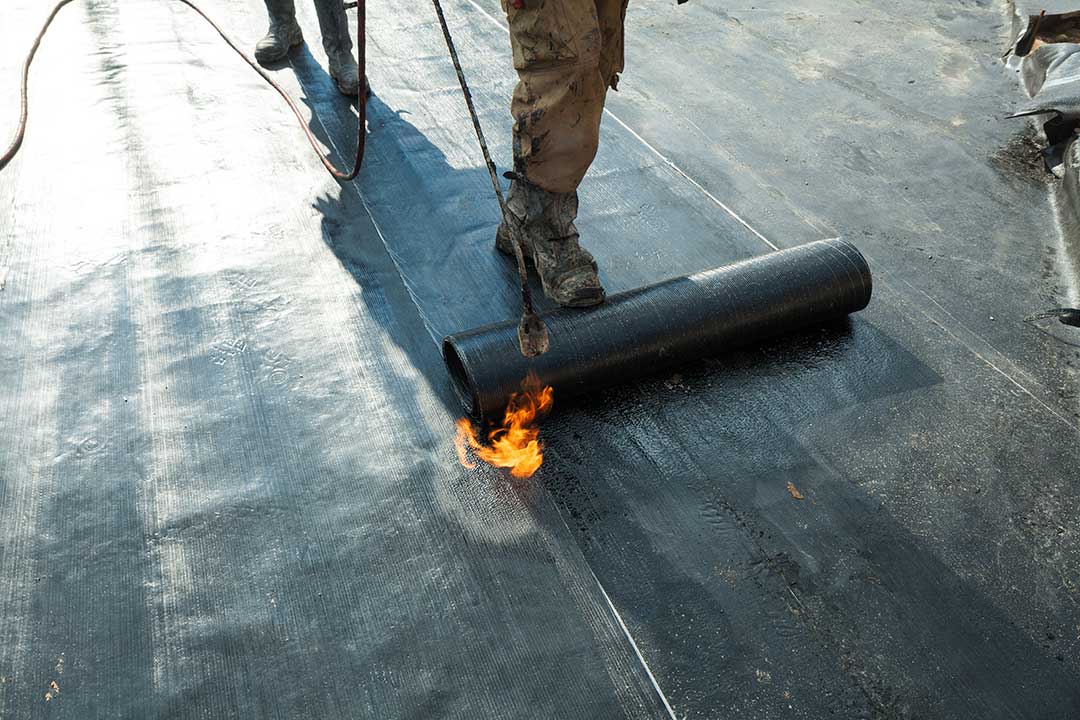
A few damaged shingles may be repairable. Widespread wear, deteriorated decking, recurring leaks, or structural sagging generally indicate a more extensive problem.
How can a homeowner estimate the remaining roof life?
Start with the roof’s installation date if records are available. Documents from a prior sale, renovation records, or receipts may provide a more reliable age than visual guesswork.
Next, consider the roof’s material and exposure. A shaded roof that stays damp may age differently from a roof exposed to direct sunlight and wind. Roofs beneath overhanging trees may collect more debris, while roofs with complicated valleys and multiple penetrations have more areas where water can be redirected or trapped.
An attic inspection can also reveal information that is not visible from the ground. Look for damp wood, staining around penetrations, rusted fasteners, compressed insulation, and signs of previous leaks. Walking on shingles is not recommended because it can damage brittle or aging material and creates a fall hazard.
Does regular maintenance extend roof life?
Routine maintenance cannot make an old roof last indefinitely, but it can help prevent avoidable damage. Useful maintenance includes:
- Keeping gutters and downspouts clear so water drains away from the roof
- Removing branches that rub against shingles
- Watching for loose or missing flashing around chimneys, vents, skylights, and wall intersections
- Checking attic ventilation and moisture conditions
- Looking for storm damage after high winds, heavy snow, or falling branches
- Trimming vegetation that keeps the roof continuously damp
- Avoiding pressure washing or harsh cleaning methods that can remove protective granules
Snow and ice should not be removed from a roof with improvised tools or unsafe climbing methods. Heavy, uneven snow accumulation can create concentrated loads, particularly near valleys, roof transitions, and areas where wind causes drifting. Conditions that involve structural movement, active water entry, or unsafe access require qualified attention because roof work can involve both fall hazards and building-safety concerns.
When should a roof be inspected?
A roof should be checked after significant wind, hail, heavy snow, fallen branches, or an unexplained interior leak. It is also sensible to review its condition before winter if the roof is approaching the later part of its expected lifespan.
For many households, a visual review from the ground twice a year—once after winter and again before the next cold season—can identify obvious changes. The review should include shingles, gutters, flashing, attic areas, and ceilings. A roof that is nearing 20 years old, or one with a history of repairs, may need more careful evaluation even if no leak is visible.
The most useful question is not simply, “How many years old is the roof?” It is, “Is the entire roofing system still shedding water reliably, and are there signs that its remaining service life is declining?” Age provides the starting point; condition, construction, and local weather exposure provide the fuller answer.
