
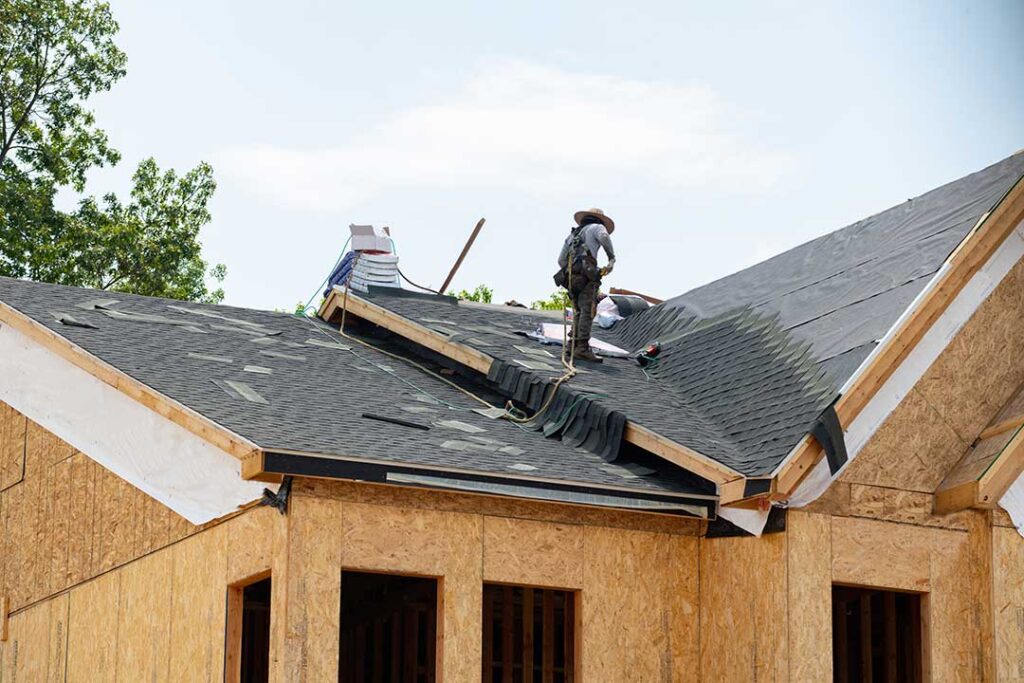
Roofing labels often include terms such as solar reflectance, thermal emittance, and solar reflectance index. These measurements describe how a roof responds to sunlight, but they do not tell the whole story about whether a roofing material is suitable for a particular home.
For residents of Greene, NY, understanding these ratings can help separate useful performance information from oversimplified claims about “cool” roofing.
What is a cool roof?
A cool roof is designed to absorb less solar heat than a conventional roof. It does this by reflecting more sunlight away from the surface and releasing absorbed heat more effectively.
A roof’s surface temperature affects how much heat moves into the attic and living areas below. This is most noticeable during sunny summer weather, especially in homes with limited insulation, poor attic ventilation, or finished upper floors directly beneath the roof.
Cool roofing is not limited to white materials. Reflective membranes, coated metal, certain shingles, tile, and other products may be designed to perform better than standard dark roofing in sunlight.
What do cool roof ratings measure?
The two most useful measurements are solar reflectance and thermal emittance. A third value, the solar reflectance index, combines these properties into a broader estimate of how hot a surface may become.
Solar reflectance
Solar reflectance measures the portion of sunlight a roofing surface reflects. It is expressed as a number from 0 to 1 or as a percentage.
- A reflectance of 0.20 means the surface reflects about 20 percent of incoming sunlight.
- A reflectance of 0.60 means it reflects about 60 percent.
- Higher reflectance generally means less sunlight is absorbed as heat.
Color affects reflectance, but color alone is not a reliable rating. Two roofs that appear similar may have different pigments, coatings, textures, or surface treatments that produce different performance results.
Thermal emittance
Thermal emittance measures how effectively a surface releases absorbed heat as infrared radiation. It is also expressed from 0 to 1.
A roof with high thermal emittance can release heat more efficiently after absorbing sunlight. A roof with high reflectance and high emittance will usually remain cooler than one with low values for both.
Bare, shiny metal can be an exception. It may reflect a significant amount of sunlight but have relatively low thermal emittance. A coated metal roof can have a different performance profile because the coating may improve both reflectance and emittance.
Solar reflectance index
The solar reflectance index, or SRI, combines solar reflectance and thermal emittance while considering a standard reference temperature. A higher SRI generally indicates that a surface stays cooler in sunlight.
SRI can be useful for comparing different roofing materials, but it should not replace the individual reflectance and emittance values. Two materials can have similar SRI values for different reasons, and their performance may differ under actual conditions.
Are cool roofs useful in Greene, NY?
They can be, particularly during sunny summer periods, but the benefits may be more moderate than in consistently hot climates. Greene, NY experiences warm, humid summers along with long, cold winters and regular snow and ice conditions.
That seasonal balance changes the decision-making process. A reflective roof may reduce summer heat entering the building, but roof color alone will not determine annual energy use. During the heating season, a less heat-absorbing roof may receive slightly less solar heat. Strong insulation, air sealing, attic ventilation, and moisture control often have greater year-round importance in a cold-climate home.
The value of a cool roof may be more noticeable when:
- The attic or upper floor becomes uncomfortably hot in summer.
- The roof has limited insulation.
- Air conditioning runs frequently during sunny weather.
- The roof is low-sloped and covered with a membrane or coating.
- The building has a large roof area exposed to direct afternoon sun.
- Indoor spaces are located immediately beneath the roof.
For a well-insulated home with modest air-conditioning use, the financial savings may be limited. That does not make reflective roofing useless, but it does mean the rating should be considered alongside the entire roof assembly.
Do cool roof ratings apply to asphalt shingles?
Yes, but asphalt shingles generally have less reflective performance than white membranes or highly reflective coatings. Some shingles use specially designed granules or surface treatments to reflect more sunlight while maintaining darker colors.
A “cool” shingle is not automatically equivalent to a highly reflective low-slope roof. The product’s actual tested values matter more than the word cool in a product description.
Residents comparing shingles should look for documented values for:
- Initial solar reflectance
- Aged or weathered solar reflectance, when available
- Thermal emittance
- Solar reflectance index
- The roof slope or product category covered by the rating
A roof that performs well when new may become less reflective as dust, algae, weathering, and surface wear accumulate. This is one reason aged performance can be more informative than a new-product rating alone.
Does a lighter roof prevent ice dams?
No. Cool roof ratings do not solve the main causes of ice dams.
Ice dams form when heat escapes into a cold attic or roof assembly, melts snow on warmer sections of the roof, and allows the water to refreeze near colder eaves. The more influential factors are attic insulation, air sealing, ventilation, roof geometry, snow conditions, and indoor heat loss.
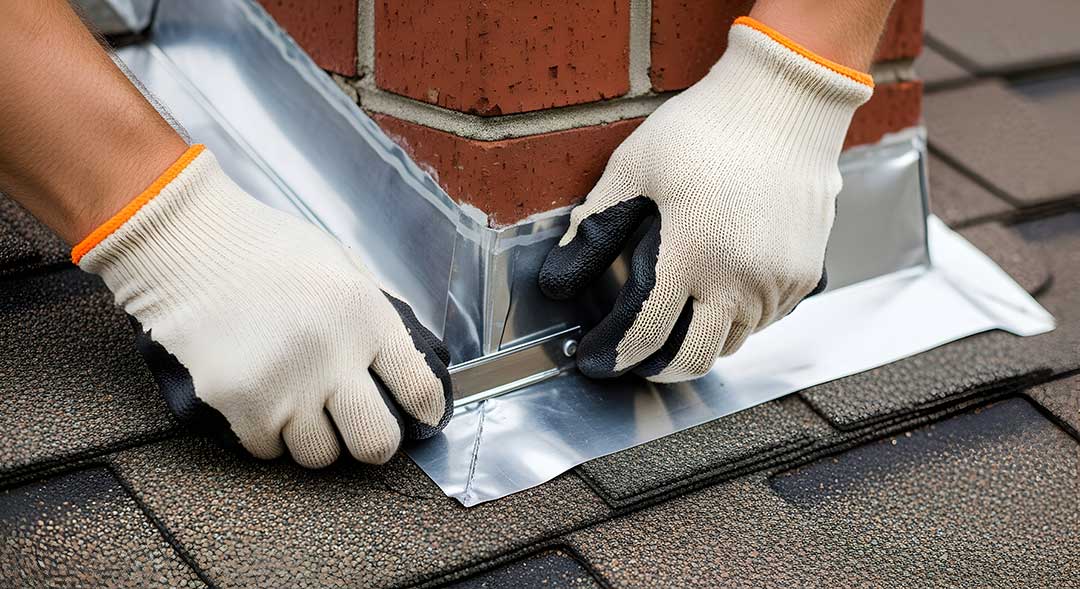
A reflective roof may be cooler in sunlight, but it cannot correct missing insulation or air leaks around plumbing vents, chimneys, attic hatches, recessed lighting, and other openings. In Greene’s snowy winter climate, those construction details deserve separate attention.
How should homeowners read a roofing rating label?
Start with the product’s tested data rather than relying only on color or marketing language. A credible rating should identify the material, surface type, reflectance, emittance, and testing or certification information.
It also helps to ask whether the rating reflects:
- The complete roofing product or only a coating
- A new surface or an aged surface
- A specific installation slope
- The roof covering alone or the entire roof system
- A laboratory test or an estimated field result
Ratings describe surface properties. They do not measure leak resistance, wind performance, snow-load capacity, service life, flashing quality, drainage, or installation workmanship.
What other roof features matter just as much?
A reflective roof cannot compensate for a poorly designed or poorly maintained roof. In many homes, the most meaningful improvements involve the full building envelope.
Important factors include:
- Adequate attic insulation
- Controlled air movement between the living space and attic
- Proper intake and exhaust ventilation where the roof design allows it
- Sound underlayment and flashing
- Clear drainage paths and functioning gutters
- Materials suited to snow, freeze-thaw cycles, wind, and summer moisture
- A surface color and appearance that fit the property and neighborhood
For low-sloped roofs, drainage and membrane compatibility are especially important. For steep-slope shingle roofs, ventilation, underlayment, fastening, and flashing details may matter more than a small difference in reflectance.
Is a cool roof the right choice for every home?
No. It is a performance option, not a universal requirement or automatic upgrade.
A cool roof may be worth considering when summer overheating is a recurring problem, the roof has substantial sun exposure, or a low-slope roof needs a new membrane or coating. In other cases, improving insulation and air sealing may provide more useful year-round results.
New construction, major alterations, and some reroofing work may also need to comply with applicable New York State building and energy requirements. Local permitting and code questions should be checked before work begins, especially when the project changes the roof assembly rather than simply replacing a small damaged area.
The most practical approach is to treat cool roof ratings as one part of a larger roofing decision. Solar reflectance and thermal emittance explain how a surface handles sunlight, while the roof system, attic, drainage, weather exposure, and building use determine how that surface performs in everyday conditions.
