
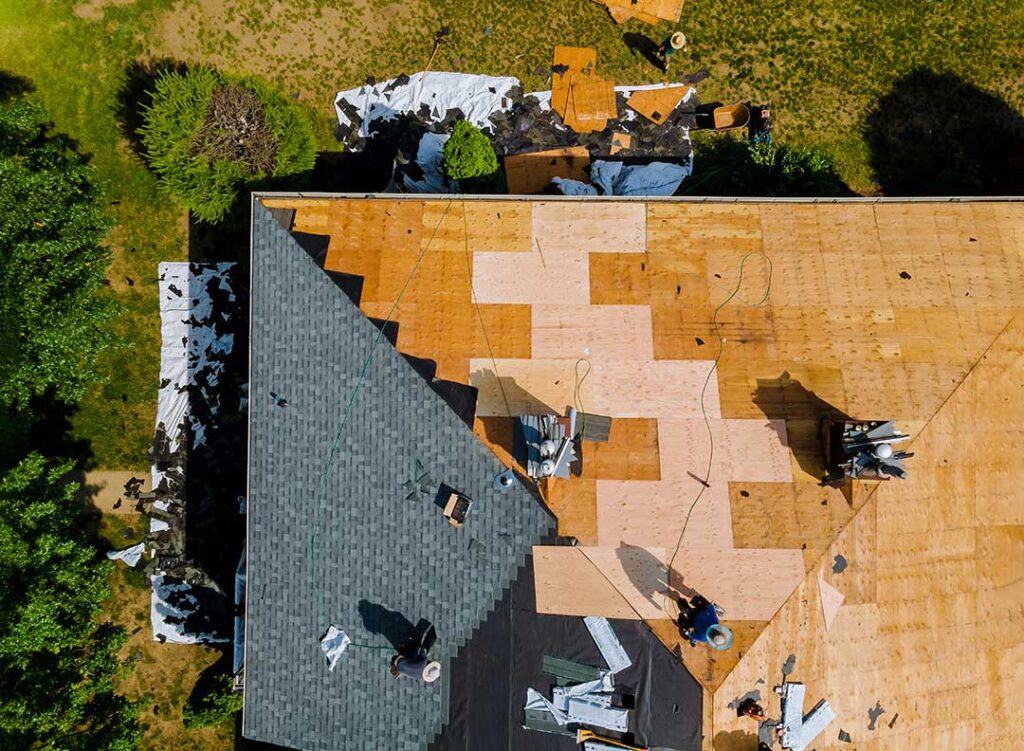
A new roof can improve a home’s value, but its effect is usually indirect. Buyers tend to value a roof because it reduces the likelihood of near-term repairs, protects the structure from weather, and makes the home easier to evaluate during a sale.
The roof rarely adds its full replacement cost to a home’s resale price. Its financial impact depends on the roof’s age, condition, materials, remaining service life, local buyer expectations, and the overall condition of the property.
Does a new roof increase home value?
Yes, a new roof can increase a home’s appeal and may support a stronger sale price, especially when the existing roof is visibly worn or near the end of its useful life. The improvement often comes from preventing a buyer from having to budget for a major expense soon after moving in.
A replacement roof may help a home:
- Attract more buyer interest
- Reduce concerns during inspections
- Support smoother lender and insurance reviews
- Avoid price reductions related to roof defects
- Compete more effectively with similar homes
- Improve exterior appearance
The value is often best understood as a combination of added confidence and avoided costs. A buyer may not pay the full cost of a new roof, but may be more willing to make a serious offer when the roof is not an immediate concern.
Why does roof condition matter so much to buyers?
Roof problems can affect more than shingles. Leaks may damage attic insulation, roof decking, ceilings, wall finishes, framing, and personal belongings. Moisture can also contribute to mold growth or wood decay if it remains undetected.
In Greene, seasonal weather creates repeated demands on roofing materials. Snow, ice, freeze-thaw cycles, wind, heavy rain, and changing temperatures can expose weaknesses in flashing, valleys, pipe penetrations, and roof edges. Buyers familiar with local conditions may pay close attention to whether a roof appears capable of handling another winter without significant repairs.
A roof that is old but still functioning is not automatically defective. However, age becomes more significant when combined with curling shingles, missing materials, exposed fasteners, sagging areas, water stains, or a history of patching.
Will a new roof recover its full cost at resale?
Usually, homeowners should not assume that a roof replacement will return every dollar spent. Remodeling costs and resale benefits vary by property, market conditions, workmanship, materials, and timing.
A new roof may provide more value when:
- The old roof is leaking or visibly deteriorated
- The home is being prepared for sale
- Comparable homes have newer roofs
- The replacement corrects known inspection concerns
- The work includes proper ventilation and flashing improvements
- The roof’s appearance fits the home and surrounding properties
The financial benefit may be smaller when the existing roof is only moderately aged, performs well, and has several years of useful life remaining. In that situation, replacement may be more about long-term ownership planning than immediate resale value.
How does a roof affect a home inspection?
A roof is one of the most visible and expensive systems an inspector reviews. An inspection may consider the roof’s apparent age, surface condition, drainage, flashing, ventilation, attic evidence of moisture, and signs of structural movement.
An inspection report does not always require replacement. It may describe the roof as serviceable, recommend monitoring, or identify specific repairs. If the roof is near the end of its expected life, buyers may still use that information during negotiations.
Documentation can make the condition easier to understand. Useful records may include:
- The approximate installation date
- Material information
- Invoices or permits, where applicable
- Warranty paperwork
- Records of repairs or maintenance
- Photos taken before concealed work was completed
Clear documentation does not guarantee a higher offer, but it can reduce uncertainty.
Does roof appearance influence perceived value?
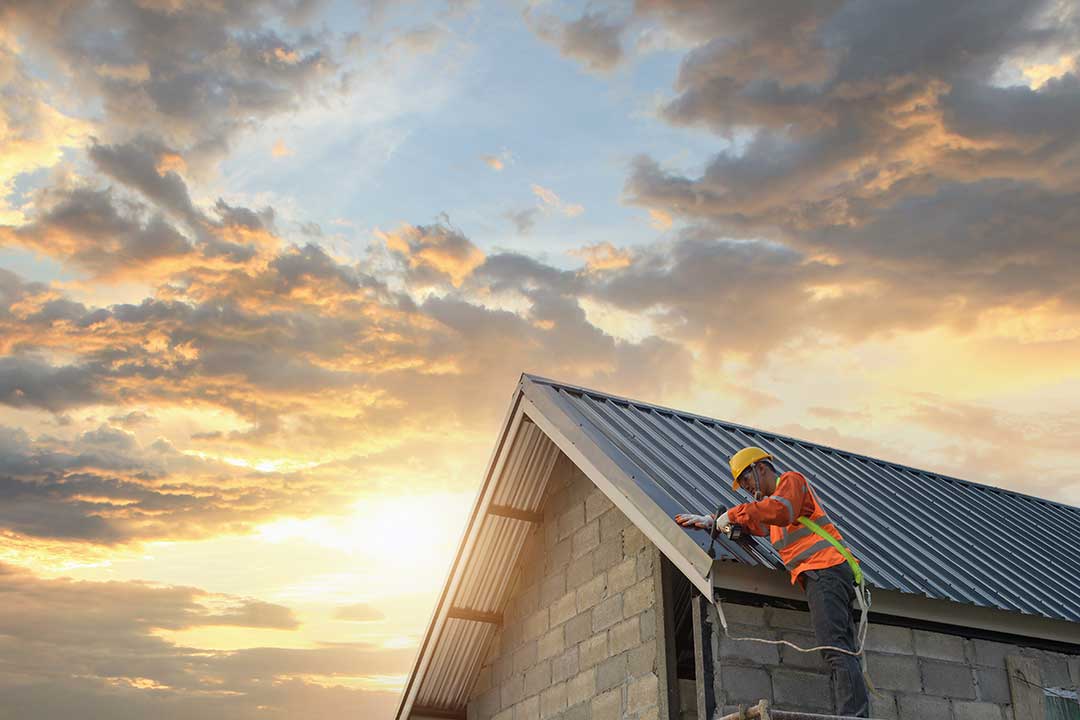
Yes. The roof can account for a large portion of a home’s visible exterior, so stains, mismatched repair areas, algae growth, uneven shingle lines, and worn edges can affect first impressions.
A clean, properly installed roof may make the entire property appear better maintained. That does not mean cosmetic improvements should hide functional problems. Surface appearance cannot replace sound flashing, secure drainage, adequate ventilation, and dry attic conditions.
Color and material choices can also affect buyer perception. A roof that looks consistent with the home’s design is generally less distracting than one with an unusual or poorly matched appearance. Practical considerations should come first, especially in a climate where durability and weather performance matter.
Does a roof replacement improve energy efficiency?
A new roof alone does not always produce a large change in heating or cooling costs. Energy performance depends heavily on insulation, air sealing, ventilation, windows, siding, heating equipment, and household habits.
Roof work can still improve efficiency when it addresses related problems such as:
- Inadequate attic insulation
- Blocked or poorly designed ventilation
- Air leakage around attic openings
- Damaged roof decking
- Moisture affecting insulation
- Poorly sealed penetrations
A balanced attic ventilation system can help manage heat and moisture, but ventilation should not be treated as a cure for every roofing problem. Excessive ventilation, blocked intake paths, or improper installation can create new issues.
What roofing problems reduce home value?
The most concerning issues are usually those that suggest active damage, uncertain remaining life, or repeated maintenance needs. Examples include active leaks, soft or sagging roof areas, missing shingles, deteriorated flashing, exposed underlayment, damaged soffits, and water staining in the attic or upper-floor ceilings.
A roof with several layers of old roofing materials may also raise questions about weight, installation quality, and whether a complete replacement is approaching. Local requirements may affect how roofing work must be performed, particularly when structural repairs or related construction are involved.
Minor issues do not necessarily reduce value significantly. A few loose shingles or a small flashing repair may be manageable. The concern grows when defects are widespread or when the roof’s history is unclear.
Should a homeowner replace the roof before selling?
Not always. The decision depends on the roof’s condition, the expected selling timeline, available funds, and the likely effect on buyer negotiations.
Replacement may be reasonable when the roof is actively failing, likely to prevent financing or insurance approval, or expected to become the central issue in every offer. Waiting may be reasonable when the roof is older but functioning, the property is priced to reflect its condition, and the owner is prepared for inspection-related negotiations.
A pre-sale roof evaluation can clarify whether the situation involves routine maintenance, limited repairs, or replacement-level deterioration. The goal is not to make the roof appear newer than it is, but to understand its actual condition before pricing and disclosure decisions are made.
How can homeowners protect the value of a new roof?
Routine observation and maintenance help preserve both roof performance and resale confidence. After major storms, homeowners can look for missing materials, loose metal, damaged flashing, clogged drainage paths, and signs of water entry. Attic spaces should also be checked for damp insulation, staining, musty odors, or daylight appearing where it should not.
Keeping gutters, downspouts, roof valleys, and drainage areas clear can reduce water-related stress. Tree branches that rub against roofing materials or overhang the roof may also create maintenance problems.
A new roof supports home value most effectively when it is part of a well-maintained property. Buyers generally respond to the complete picture: dry interior spaces, sound exterior surfaces, reliable drainage, documented improvements, and evidence that the home has been cared for over time.
