
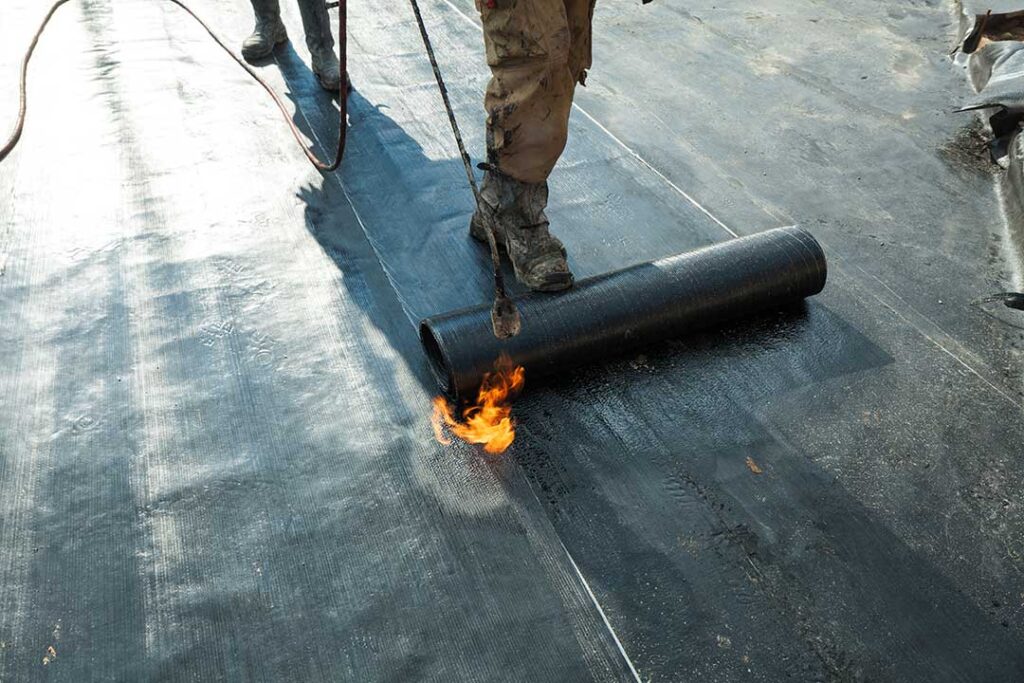
Roof coatings can extend the useful life of some roofs, improve water resistance, and reduce surface wear. They are not a universal substitute for roof replacement, and their value depends heavily on the roof’s condition, slope, material, drainage, and the type of coating used.
For homeowners in Greene, NY, seasonal changes add practical considerations. Roofs may experience freezing temperatures, snow, ice, spring moisture, summer heat, falling leaves, and repeated expansion and contraction. A coating must be compatible with the existing roof and able to handle those conditions.
What is a roof coating?
A roof coating is a fluid-applied material spread or sprayed over an existing roofing surface. After curing, it forms a continuous layer intended to protect the roof from moisture, sunlight, temperature changes, and surface deterioration.
Common coating categories include:
- Acrylic coatings, which are water-based and commonly used to reflect sunlight.
- Silicone coatings, which generally perform well in areas exposed to standing water.
- Polyurethane coatings, which can provide strong abrasion resistance and are often used where the roof surface receives more physical wear.
- Asphalt-based coatings, which may be used with certain older roofing systems but require careful compatibility checks.
A coating is different from paint. Roofing products are formulated to handle water exposure, movement, ultraviolet radiation, and contact with roofing materials. Ordinary exterior paint does not provide the same protection.
What are the main advantages?
The biggest potential benefit is extending the service life of an existing roof that is still fundamentally sound. A coating can seal small surface imperfections, protect exposed roofing materials, and slow damage caused by sunlight and weather.
Other possible benefits include:
Improved resistance to leaks
A properly applied coating can create a more continuous water-resistant surface. It may help protect seams, fasteners, flashing transitions, and other vulnerable areas when those details are prepared and treated correctly.
However, a coating does not automatically repair every leak. Water may travel beneath roofing materials before appearing inside the building, and damaged flashing or concealed deterioration may remain unaffected.
Lower surface temperatures
Some light-colored coatings reflect more sunlight than dark roofing surfaces. That can reduce heat absorbed by the roof during warm weather and may lower heat transfer into the building, particularly in structures with low-slope roofs or limited attic ventilation.
The energy effect varies with insulation, attic design, roof color, building use, and weather. A coating should not be viewed as a guaranteed method of reducing utility bills.
Protection from ultraviolet exposure
Sunlight gradually weakens many roofing materials. Reflective or protective coatings can reduce direct ultraviolet exposure and help slow cracking, chalking, drying, and surface breakdown.
This benefit is most useful when the underlying roof still has enough strength and thickness to justify preservation.
Reduced disposal during reroofing
If a coating successfully extends the life of an existing roof, replacement may be postponed. That can reduce the amount of roofing material removed from the building at that time.
Postponing replacement is not the same as avoiding it permanently. Eventually, the roof may still require substantial repair or replacement.
Possible maintenance advantages
Some coatings make the roof surface easier to inspect and maintain. A continuous membrane can also reduce the number of exposed seams or small openings, depending on the original roof design and the preparation work.
What are the disadvantages?
Roof coatings also have limitations. The most common mistake is treating a coating as a cure for structural or widespread roofing failure.
They cannot fix a fundamentally failing roof
Coatings are generally poor solutions for roofs with extensive rot, soft decking, major leaks, widespread blistering, severe ponding, loose materials, or substantial membrane separation. Covering those problems may hide them temporarily while deterioration continues underneath.
A roof should be evaluated for its remaining structural and waterproofing condition before coating is considered.
Preparation is demanding
The roof surface usually needs to be cleaned, dried, repaired, and made free of loose material, grease, heavy debris, and contaminants. Seams, penetrations, drains, flashing, and fasteners may require separate treatment.
Poor preparation can cause peeling, bubbling, premature wear, or weak adhesion. In many cases, the preparation takes more time and affects performance more than the coating application itself.
Weather affects installation
Many products require specific temperature, humidity, and moisture conditions during application and curing. Wet surfaces, nighttime condensation, sudden rain, or cold weather can interfere with bonding and curing.
This matters in Greene because spring and fall weather can shift quickly, while winter conditions are generally unsuitable for many coating applications. A roof may need a carefully chosen weather window rather than application on any convenient day.
Snow and ice create additional stress
A coating does not eliminate the effects of snow loads, ice formation, freeze-thaw movement, or blocked drainage. Water that freezes in cracks or around flashing can expand and place pressure on the roof system.
Snow removal can also damage a coated surface if tools scrape or gouge the membrane. Coated roofs still require sensible winter inspection and maintenance.
Standing water remains a concern
Some coating types tolerate ponding water better than others, but coating alone does not correct poor drainage. If water regularly remains on the roof for extended periods, the cause may involve inadequate slope, blocked drains, settlement, or structural movement.
Those conditions need to be addressed separately. Applying additional coating over a drainage problem may only delay visible symptoms.
The coating has its own service life
Roof coatings wear down over time. Their durability depends on product type, thickness, sunlight, foot traffic, weather exposure, ponding water, and the condition of the roof underneath.
A coated roof should still be inspected periodically. Cracks, worn areas, blisters, exposed seams, and damaged penetrations should not be ignored simply because the surface appears uniform.
Are roof coatings suitable for every roofing material?
No. Compatibility is a major factor.
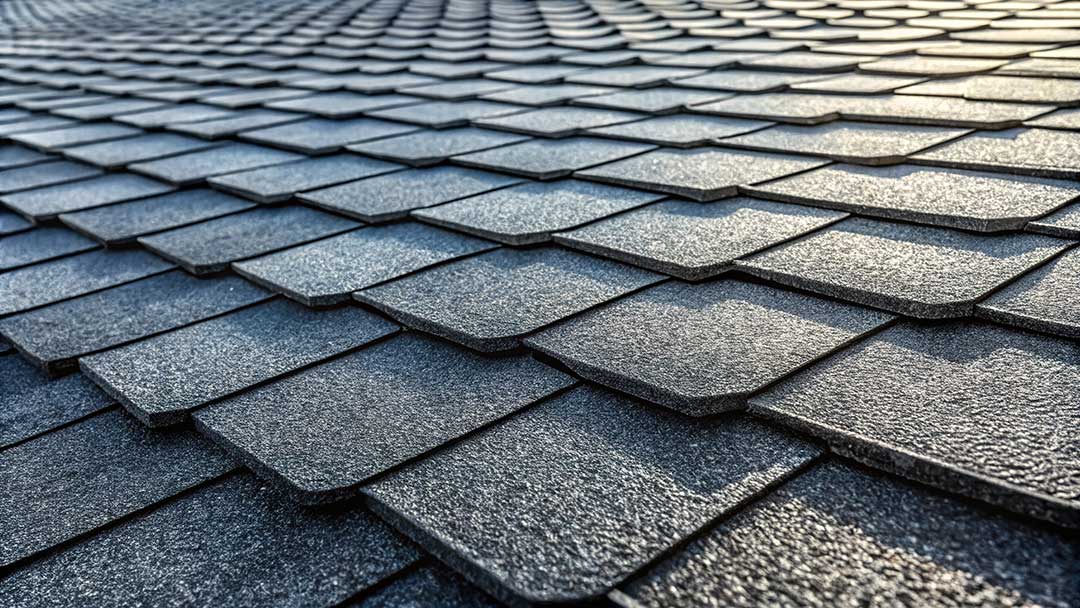
Coatings may be used on certain built-up roofs, modified bitumen systems, metal roofs, single-ply membranes, and other surfaces, but the correct product and primer can differ substantially. Some materials require special preparation, while others may not accept a coating reliably.
Metal roofs present specific concerns involving rust, fasteners, seams, movement, and expansion. Older asphalt-based roofs may have brittle areas that cannot be restored by a surface layer. Single-ply membranes may require a coating designed specifically for that membrane type.
The existing roofing material should be identified before selecting a product. Applying an incompatible coating can create adhesion problems or make future repairs more difficult.
Can a roof coating stop an existing leak?
Sometimes it can reduce leakage from minor surface openings, but it should not be assumed to solve an active leak.
A leak may originate at flashing, a pipe penetration, a ridge, a valley, a drain, a wall connection, or concealed damage beneath the visible roof surface. Coating over wet insulation or deteriorated decking can trap moisture and make the condition harder to diagnose.
The roof must be dry enough to evaluate, and the source of water should be addressed before a coating is applied.
Is roof coating a good choice for a home in Greene?
It may be appropriate when the roof is structurally sound, drainage is functioning, the existing material is compatible, and the goal is preservation rather than disguising major damage.
It may be less suitable when the roof has:
- Widespread leaks or interior water damage
- Soft or rotted decking
- Extensive rust or corrosion
- Large areas of blistering or separation
- Persistent ponding water
- Severe storm damage
- A remaining service life too short to justify the work
Homeowners should also consider how the coating will affect future repairs, roof access, warranties, ventilation details, and the appearance of the property.
What should be checked before coating a roof?
A practical evaluation should include the roof’s age, material, slope, drainage, seams, penetrations, flashing, fasteners, surface moisture, and evidence of movement or structural weakness.
It is also useful to ask:
- What specific problem is the coating meant to address?
- Is the roof dry and sufficiently sound?
- What preparation and repairs are required first?
- Will the coating adhere to the existing surface?
- How will drains, edges, flashing, and penetrations be treated?
- What weather conditions are required during application?
- How will the roof be inspected and maintained afterward?
Roof access can be hazardous, especially when surfaces are wet, icy, steep, or fragile. Conditions involving structural damage, electrical hazards, or unsafe access require qualified evaluation rather than do-it-yourself testing.
A roof coating is best understood as a preservation layer, not a replacement for a roof that has already reached the end of its reliable service life.
