
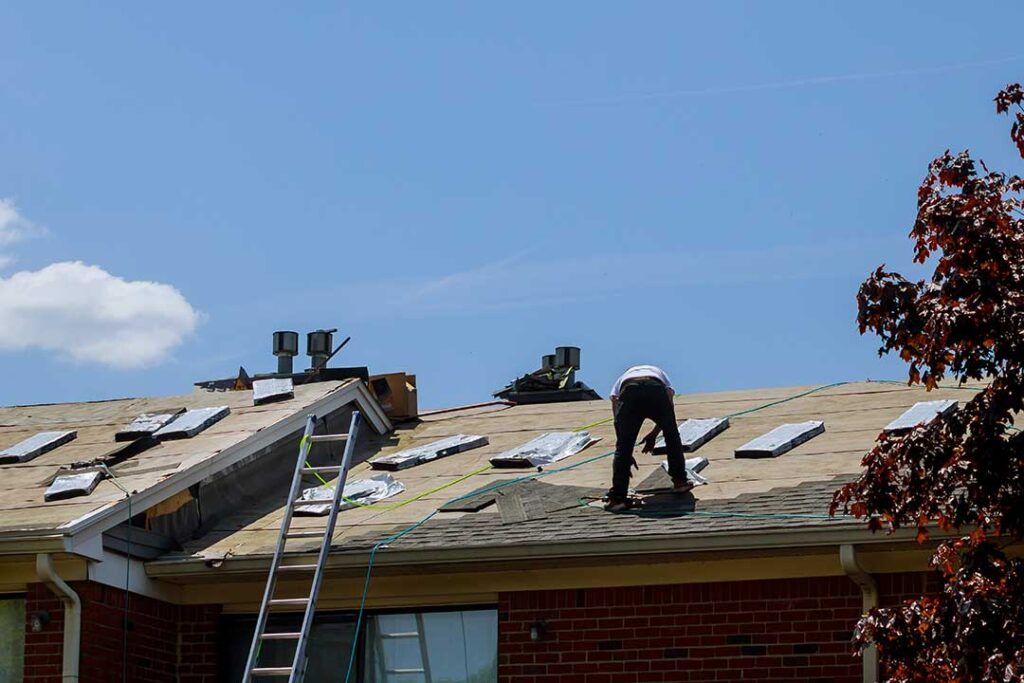
Choosing a roof color is more than a matter of personal taste. The right shade should work with the home’s exterior, suit the amount of sunlight the roof receives, remain practical through seasonal weather, and fit the architectural character of the property.
In Greene, NY, homeowners also need to think about snow, freeze-thaw cycles, summer heat, tree cover, and how visible the roof is from nearby roads or neighboring homes. A color that looks appealing on a small sample may appear very different across a full roof.
What should be considered before choosing a roof color?
Start with the parts of the home that are unlikely to change soon. A roof should coordinate with siding, brick, stone, trim, shutters, doors, and other permanent exterior features.
Before comparing samples, identify the home’s dominant colors:
- Warm tones such as tan, beige, cream, brown, or red
- Cool tones such as gray, blue, white, or muted green
- Mixed materials such as brick, stone, and wood
- Existing metal elements, including gutters, flashing, railings, or chimney caps
A roof does not need to match the siding exactly. In many cases, contrast creates a more balanced appearance. For example, a medium-gray roof can complement light siding without making the home look washed out, while a brown roof may work better with cream, tan, or earth-toned exteriors.
The roof should also relate to the home’s visual weight. Dark colors tend to make a roof appear more substantial and can emphasize the shape of a low-slope or broad roof. Lighter colors may make a large roof seem less dominant.
Are dark or light roof colors better for Greene homes?
Neither is automatically better. Dark and light colors each have practical and visual advantages, and the best choice depends on the roof’s exposure, insulation, ventilation, and surrounding conditions.
Dark roofing generally absorbs more solar energy than light roofing. During sunny summer weather, a dark roof surface may become warmer, particularly on a roof with limited shade. This does not mean dark shingles will automatically cause uncomfortable indoor temperatures. Attic insulation, air sealing, ventilation, ceiling design, and the home’s orientation often have a greater effect on indoor comfort.
Light-colored roofing reflects more sunlight and may reduce heat gain in some conditions. That advantage can be more noticeable on homes with large sun-exposed roof areas or limited attic insulation. However, lighter roofing is not necessarily the best choice for winter performance. A roof’s color does not replace proper insulation, ventilation, air sealing, or snow-management practices.
For homes in Greene, seasonal balance matters. Summers can bring strong sun and humidity, while winters bring snow, ice, and repeated temperature changes. A medium or blended color is often considered because it provides a less extreme appearance while still offering a wide range of design options.
How do snow, ice, and shade affect the decision?
Roof color does not determine whether a roof can support snow or resist ice dams. Those conditions are primarily related to roof design, insulation, ventilation, drainage, surface temperature, and weather exposure.
Color can affect visibility, however. Snow may stand out more clearly against a dark roof, while wet leaves, dirt, or organic debris may be less noticeable on a variegated or darker blend. On the other hand, light-colored roofing can make streaks, moss, and discoloration more visible depending on the surrounding trees and moisture levels.
Properties with mature trees may need a color that remains visually attractive when leaves, small branches, or shaded areas are present. A heavily shaded roof may also stay damp longer after rain or snow, which can make surface staining more noticeable. Color will not prevent moss or algae growth, so drainage, sunlight, and regular observation remain more important.
Should the roof match the neighborhood or the home’s style?
The roof should suit the home first, but nearby homes can provide useful context. A color that looks appropriate on a modern house may seem out of place on a traditional farmhouse, older village home, ranch-style property, or house with prominent masonry.
Consider the roof’s shape and visibility:
- Steep roofs show more surface area and make color a major design feature.
- Low-slope roofs may be less visible from the street, making subtle coordination practical.
- Homes with multiple gables or dormers may benefit from a quieter, blended color.
- Simple rooflines can support either a solid color or a more varied pattern.
- Historic-looking homes often pair well with restrained colors rather than highly contrasting patterns.
A roof with several planes may show color variation differently throughout the day. Sections facing the sun can appear lighter, while shaded slopes may look darker or cooler. Looking at a sample under morning, midday, and late-day light gives a more reliable impression than viewing it indoors.
Do roofing samples accurately show the final color?
Small samples are useful, but they can be misleading. A color that appears neutral on a small board may look darker or more intense when repeated across hundreds of square feet.
Granules, shadow lines, roof pitch, and viewing distance all influence the result. Blended shingles may also contain several related tones, which can create movement and depth from the ground.
Before making a final decision, compare samples:
- Against the siding and trim
- In direct sunlight and shade
- From the driveway or street rather than only at close range
- Beside brick, stone, or other exterior materials
- During both dry and overcast conditions
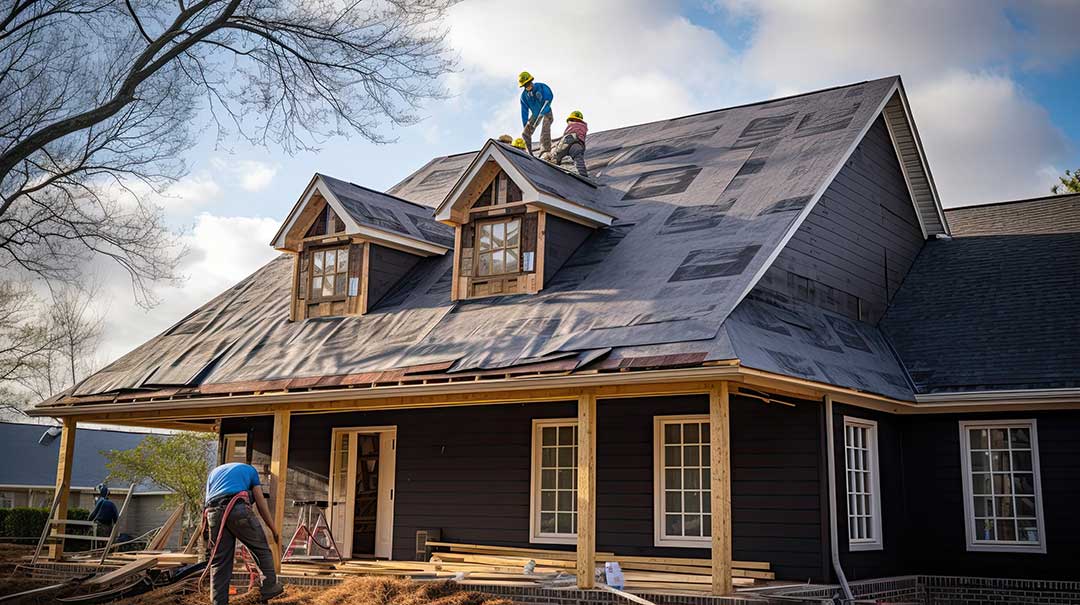
Photographs can help with general comparison, but screens do not always reproduce color accurately. Printed brochures and online images should be treated as references rather than exact representations.
Which roof colors help a home look larger or smaller?
Color can influence perception, although it does not change the actual proportions of the building.
A dark roof may visually anchor a home and make the upper portion appear heavier. This can be useful when the house has light siding and a simple roofline. A light or medium roof may create a softer transition between the roof and sky, especially on homes with pale siding.
Strong contrast draws attention to the roof’s shape. That may be desirable when the roof has attractive architectural details. If the roof has many intersecting sections, skylights, vents, or other visible elements, a blended color may create a calmer overall appearance.
The surrounding landscape matters as well. Natural tones often blend comfortably with wooded lots, lawns, and seasonal foliage. Gray, brown, muted green, and subdued red blends can each work differently depending on the home’s siding and the amount of vegetation around it.
Are there local rules about roof color?
Roof color may not be the only consideration during replacement. In Greene, roofing work can require local permit approval, and applicable New York State building and energy codes may affect the project. Requirements can vary based on whether the property is in the town or village, the scope of the work, and the type of roof replacement being performed.
Before materials are ordered, property owners should verify current requirements with the appropriate local code-enforcement office. This is especially important when changing the roof assembly, adding insulation, altering ventilation, or replacing roofing on an older structure.
What is the most practical way to make the final choice?
Narrow the options to two or three colors that coordinate with the home’s permanent features. Then view larger samples outdoors and compare them at different times of day.
A sound choice usually balances four factors:
- Compatibility with siding, brick, stone, and trim
- Performance expectations for sun, shade, snow, and seasonal weather
- The home’s architectural style and roof shape
- Long-term satisfaction with how visible the roof will be
The most attractive roof color is not necessarily the darkest, lightest, or most distinctive option. It is the one that remains visually balanced, fits the surrounding setting, and makes sense for the home’s actual exposure and construction.
