
Holiday decorations are easiest to store safely when they are kept dry, supported, and away from areas where they can rub against roofing materials. In Greene, NY, seasonal moisture, freezing temperatures, snow, and spring thawing can turn a small storage mistake into damaged decorations or avoidable roof problems.
Proper storage also reduces the temptation to leave boxes, ladders, extension cords, or loose decorations in places where they can scrape shingles, block drainage, or create tripping hazards.
Where should holiday decorations be stored?
Holiday decorations should be stored in a dry indoor area whenever possible, such as a finished closet, basement storage area, attic space with suitable flooring, or enclosed utility area. The storage location should protect items from moisture, large temperature swings, pests, and accidental impact.
Avoid placing decoration boxes directly on a basement floor or against an exterior foundation wall. Seasonal dampness can migrate through concrete and masonry, especially during wet weather or spring thaw. Set containers on shelving, pallets, or another raised surface that allows air to circulate beneath them.
An attic can be useful, but it is not automatically a safe storage area. Before using attic space, check whether:
- The floor is designed to support stored items
- There is safe access and adequate lighting
- The area remains dry after rain and snow
- Insulation and ventilation are not being compressed or blocked
- Stored items will stay clear of electrical equipment, recessed lights, and heating components
Heavy boxes should remain near supported areas rather than being concentrated in the middle of an attic ceiling. Avoid stepping on drywall or unsupported sections between framing members.
Can holiday decorations be stored on the roof or in roof spaces?
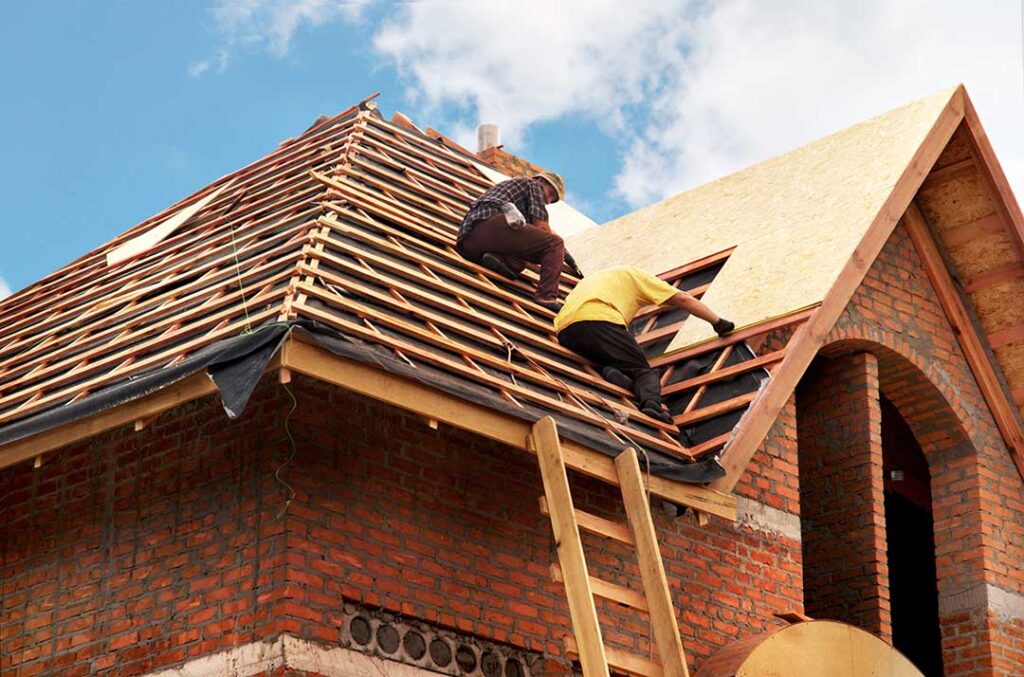
Holiday decorations should not be stored on the roof. Even lightweight items can damage shingles, puncture membrane roofing, scratch metal surfaces, or interfere with snow and ice movement. Wind can also shift stored objects toward roof edges, gutters, vents, or chimneys.
Roof surfaces are not designed to function as general storage areas. A box left on shingles may trap moisture beneath it, cause surface wear from movement, or leave a stain. Plastic totes can become brittle in cold weather and may slide during snow or ice accumulation.
Roof-adjacent spaces require care as well. Do not store decorations inside soffits, near ridge vents, around bathroom or kitchen exhaust outlets, or against attic ventilation paths. Blocking these areas can reduce airflow and contribute to condensation, frost, or moisture accumulation.
The same principle applies to porch roofs, low-slope additions, and covered entryways. These surfaces may appear convenient because they are easier to reach, but they still need to shed water and snow without obstruction.
How should lights and extension cords be stored?
Lights and cords should be cleaned, dried, inspected, and loosely coiled before storage. Tight bends can damage insulation, especially around plugs and connection points.
A practical method is to wrap each strand around a flat piece of cardboard or a purpose-made spool without pulling the wire tight. Labeling the length or location of each strand can reduce repeated handling next season.
Before storing lights, check for:
- Cracked or split insulation
- Loose sockets
- Bent or damaged plugs
- Burn marks or melted plastic
- Missing weather covers
- Frayed sections near the plug or controller
Do not store damp lights in sealed containers. Allow them to dry fully first, then use a container that protects them from rodents without trapping residual moisture.
Extension cords should not be stored outside under tarps, on porch roofs, or in open sheds unless the storage area is genuinely dry and protected. Snow, condensation, and freeze-thaw cycles can shorten the useful life of cord insulation.
What is the safest way to store outdoor decorations?
Outdoor decorations should be separated by material and weight. Metal frames can scratch other items, while wooden pieces may absorb moisture. Inflatable decorations should be completely dry and folded without sharp creases that could weaken the fabric.
Use rigid containers for fragile ornaments and clearly mark boxes containing glass, ceramic, or breakable electrical parts. Do not overfill containers, because pressure from tightly packed items can crack delicate decorations.
For larger outdoor pieces:
- Remove soil, leaves, ice, and mud before storage
- Dry fabric, wood, and painted surfaces thoroughly
- Detach stakes, clips, and small hardware
- Bag small parts and label the bag
- Keep heavy pieces on lower shelves
- Prevent metal parts from resting directly on damp concrete
- Store sharp stakes where they cannot puncture cords or plastic bins
Do not lean long poles, artificial trees, or rigid decorations against attic vents, roof access panels, or interior walls where they may fall into walkways. A falling object can damage both the decoration and nearby building components.
Should decorations be stored in cardboard or plastic containers?
The right container depends on the location. Plastic bins resist basement humidity and minor leaks better than cardboard, but they should not be treated as completely waterproof. Moisture trapped inside a sealed bin can still cause mildew, corrosion, or odor.
Cardboard boxes are suitable for dry indoor spaces and many fabric or paper decorations. They are less suitable for damp basements, garages, sheds, and areas where roof leaks could go unnoticed.
For either container type, leave a small amount of room around fragile items. Wrap breakable decorations in acid-free tissue, clean paper, or soft fabric rather than newspaper that may transfer ink. Avoid storing decorations in plastic bags that press tightly against painted or finished surfaces for long periods, since condensation can form inside the bag.
Place containers where a small roof leak, plumbing leak, or melting snow issue would be visible before it reaches the contents. Do not stack boxes beneath roof valleys, skylights, chimneys, attic access points, or other areas with a higher chance of water entry.
How can storage prevent roof and gutter damage?
Storage decisions affect the roof most often during decorating and cleanup. Do not drag boxes, ladders, extension cords, or decoration frames across shingles. Even a short move can loosen granules or catch the edges of roofing materials.
Keep gutters, downspouts, and roof drainage paths clear while installing and removing decorations. Leaves, pine needles, fallen branches, and loose clips can collect around drainage points. In winter, blocked drainage may contribute to ice buildup and water backup.
Ladders should be stored upright or secured horizontally in a dry location away from roof edges and attic walkways. Never leave a ladder leaning against a gutter or roof slope during storage. Pressure can bend the gutter and create a weak point at the roof edge.
After decorations are removed, inspect the areas where clips, hooks, anchors, or fasteners were used. Any attachment that required a nail, screw, staple, or penetration through roofing material deserves particular attention. Do not leave temporary hardware in place simply because the decorating season has ended.
What should be checked before storing decorations for the season?
A short inspection helps identify problems before items are packed away. Look for wetness, mold, rust, pest damage, broken pieces, and signs that cords have overheated.
Also check the storage area itself. A musty odor, water mark, damp insulation, rusty fastener, or unexplained stain may indicate a moisture problem. Roof leaks are not always directly above the visible stain; water can travel along framing and insulation before appearing indoors.
Store only clean, dry, functional decorations. Discarding damaged electrical items and replacing deteriorated storage containers is safer than allowing them to remain mixed with usable supplies.
A simple labeled inventory can prevent unnecessary unpacking next year. Note where fragile items, outdoor electrical decorations, spare clips, and long cords are stored. Keeping frequently used items accessible also reduces the chance of climbing on unstable boxes or placing temporary loads in unsafe areas.
