
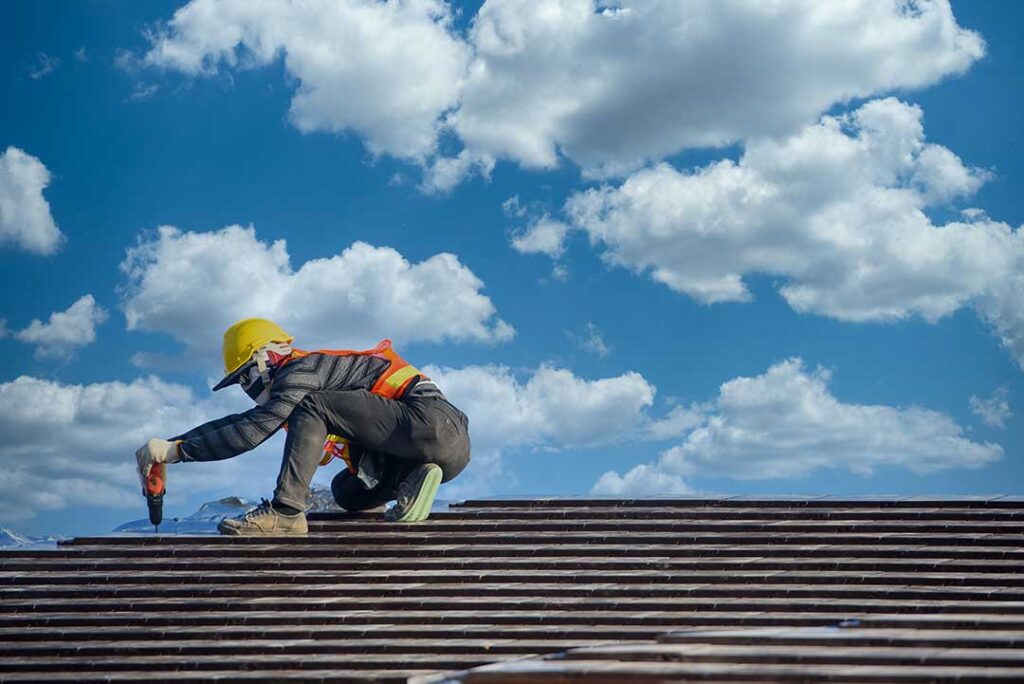
Why rooftop safety deserves careful planning
Roof work is more hazardous than it may appear from the ground. A modest roof pitch, damp shingles, hidden ice, loose materials, overhead wiring, and unstable ladders can all create serious fall or injury risks.
For homeowners in Greene, NY, seasonal conditions add another layer of concern. Snow, freezing temperatures, spring rain, summer heat, wind, and wet leaves can change roof conditions quickly. The safest approach is to inspect from the ground whenever possible and avoid climbing onto the roof unless the surface is dry, stable, and accessible without unusual risk.
Is it safe for a homeowner to climb onto a roof?
A homeowner should climb onto a roof only when the conditions are clearly safe and the task is limited. Many inspections can be completed from the ground, attic, windows, or a securely positioned ladder without walking across the roof surface.
Avoid roof access when:
- Shingles are wet, frosted, icy, or covered with moss or leaves.
- Snow or ice is present.
- Wind is strong enough to affect balance or move tools.
- The roof is steep, unusually high, or difficult to reach.
- The roof surface is damaged, sagging, soft, or visibly unstable.
- Power lines are near the work area.
- The person climbing is uncomfortable with heights or lacks appropriate equipment.
- A medical condition, medication, or physical limitation could affect balance or reaction time.
A roof can look dry while remaining slippery in shaded areas. Morning frost and evening moisture are also common hazards during colder months.
How should a ladder be placed for roof access?
A ladder must rest on firm, level ground and should never be balanced on loose soil, stones, boxes, patio furniture, or improvised supports. The ladder should extend above the roof edge sufficiently to provide a secure handhold when stepping onto or off the roof.
Before climbing:
- Check that the feet and rails are undamaged.
- Clear mud, snow, ice, and loose debris from the base.
- Keep the ladder away from overhead electrical lines.
- Use a stable angle rather than placing it nearly upright.
- Secure the ladder at the top or have another adult hold it while it is being secured.
- Keep the area below clear of children, pets, and foot traffic.
- Face the ladder while climbing and maintain three points of contact.
Do not carry bulky tools or materials in both hands. Use a tool belt, hoist line, or another method that leaves both hands available for climbing. A ladder can shift even when it initially feels stable.
What safety equipment is needed?
Basic roof safety equipment should match the roof’s height, pitch, and condition. Ordinary athletic shoes are not a substitute for footwear with clean, slip-resistant soles. Shoes should be free of mud, oil, and loose dirt before climbing.
Depending on the task, useful equipment may include:
- A properly rated extension ladder
- Slip-resistant footwear
- Work gloves that allow a secure grip
- Eye protection for cutting, scraping, or handling debris
- A hard hat when working below another person or near falling materials
- A properly fitted fall-arrest harness and approved anchor system for higher-risk work
A fall-arrest harness is not automatically safe simply because it is being worn. The anchor, connecting equipment, clearance distance, and user training all matter. Improvised attachment points such as plumbing vents, chimneys, gutters, or decorative roof features may fail during a fall.
Roof jacks, planks, harness systems, and temporary anchors require correct installation. If the system is unfamiliar or the roof presents a significant fall exposure, remaining on the ground is the safer choice.
How can a roof be inspected without climbing onto it?
Many warning signs can be identified safely from the ground. Use binoculars rather than stepping onto the roof for a closer view.
Look for:
- Missing, curled, cracked, or visibly displaced shingles
- Dark areas that may indicate exposed underlayment or moisture
- Sagging sections along the roofline
- Damaged flashing around vents, chimneys, and roof edges
- Gutters pulling away from the fascia
- Excessive granules collecting below downspouts
- Tree limbs resting on or close to the roof
- Moss or organic growth that may retain moisture
- Snow buildup near lower roof edges or uneven snow patterns
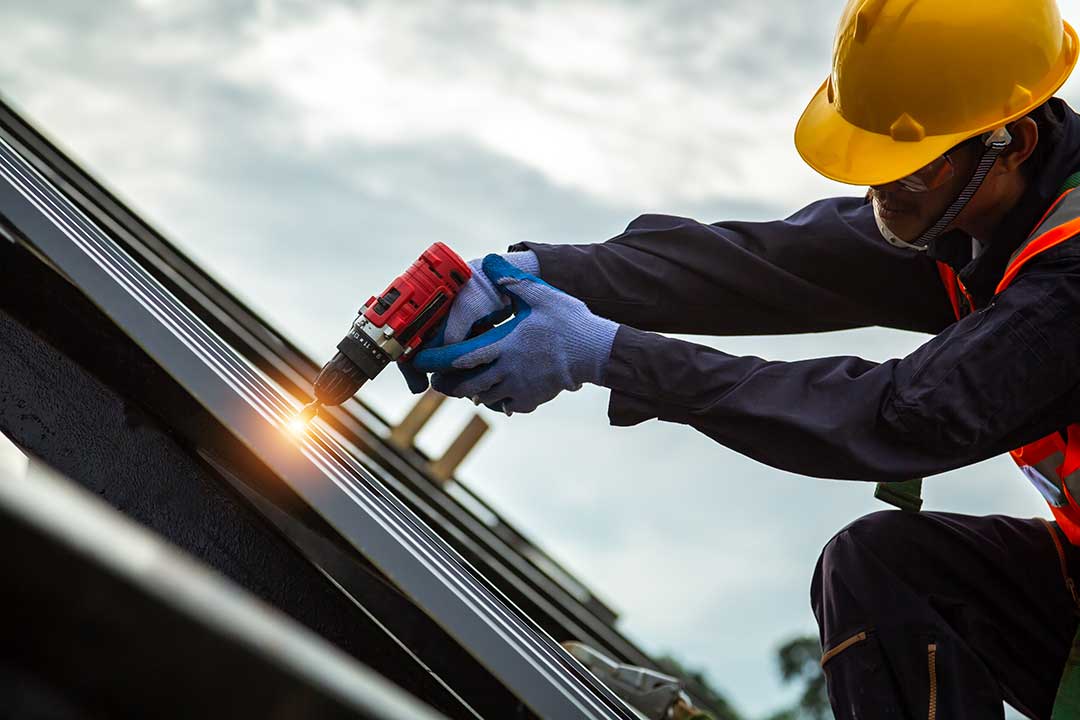
Inside the attic or upper floors, check for water stains, damp insulation, musty odors, daylight visible through the roof deck, or peeling paint near ceilings. These clues can help identify problems without creating a fall hazard.
Do not assume that a roof is safe to walk on because it has recently been installed or appears structurally sound. Surface materials can be slick, brittle, or weakened beneath the visible layer.
What are the main seasonal roof hazards in Greene?
Winter creates several roof-related dangers. Snow removal from a roof can cause falls, damage shingles, and send heavy snow onto people, vehicles, shrubs, or lower roofs. Ice dams can also form near the eaves when heat escapes into the attic and melts snow unevenly. Breaking ice with a tool may damage roofing materials and can send sharp pieces downward.
During spring, wet surfaces, wind, and hidden damage from winter storms require caution. Gutters may contain slippery organic debris, while weakened branches can fall during cleanup.
Summer heat can make shingles soft and uncomfortable to walk on. Hot surfaces increase fatigue and may reduce concentration, particularly during long tasks. Work should be limited during the hottest part of the day, with water and rest breaks available.
Autumn brings wet leaves, branches, and shorter daylight. Leaves on shingles can conceal damaged areas and create a slipping surface. Cleaning should be done from a stable ladder or from the ground with suitable tools rather than by walking across a leaf-covered roof.
How should roof tools and materials be handled?
Loose tools are a major hazard for anyone below. A dropped hammer, scraper, shingle, or fastener can cause serious injury or property damage.
Before beginning work:
- Establish a clear area below the roof.
- Keep tools organized and away from roof edges.
- Use containers designed to prevent tools from sliding.
- Never toss debris from the roof.
- Lower materials with a rope or carry them down carefully.
- Watch for wind that can lift lightweight materials.
- Keep ladders, tarps, and plastic sheeting from becoming trip hazards.
Do not leave tools or materials on the roof overnight. Wind and rain can move them, clog drainage paths, or damage the roof surface.
When should a homeowner avoid roof work entirely?
Some conditions make do-it-yourself roof work inappropriate. These include structural sagging, major storm damage, exposed electrical components, active leaks near electrical fixtures, extensive ice, steep slopes, fragile roofing materials, and work requiring a large amount of time on the roof.
Emergency conditions deserve special caution. If a tree has struck the roof, part of the roof has collapsed, or electrical lines are involved, keep people away from the area and avoid touching damaged materials. A roof that appears stable from a distance may have hidden structural damage.
Safety also includes knowing when fatigue has become a hazard. Many falls happen after a person has been working for hours, rushing to finish before rain, or repeatedly climbing up and down a ladder. Stopping early is safer than continuing while tired, cold, overheated, or distracted.
What should be checked after roof work?
After any roof-related task, inspect the area from the ground. Confirm that no tools, fasteners, scraps, or loose materials remain on the roof, in gutters, on walkways, or near entrances.
Check that:
- Ladders have been removed or secured.
- Debris has not blocked downspouts or drainage paths.
- No nails or sharp fragments remain where children or pets may walk.
- Temporary coverings are fastened and not trapping water.
- The roof edge and gutters are free of loose material.
- Indoor areas near the work zone show no new signs of leaking.
For many homeowners, the safest roof maintenance is careful observation, prompt attention to visible problems, and avoiding unnecessary climbing. A roof can be evaluated effectively without turning a routine inspection into a preventable fall risk.
