
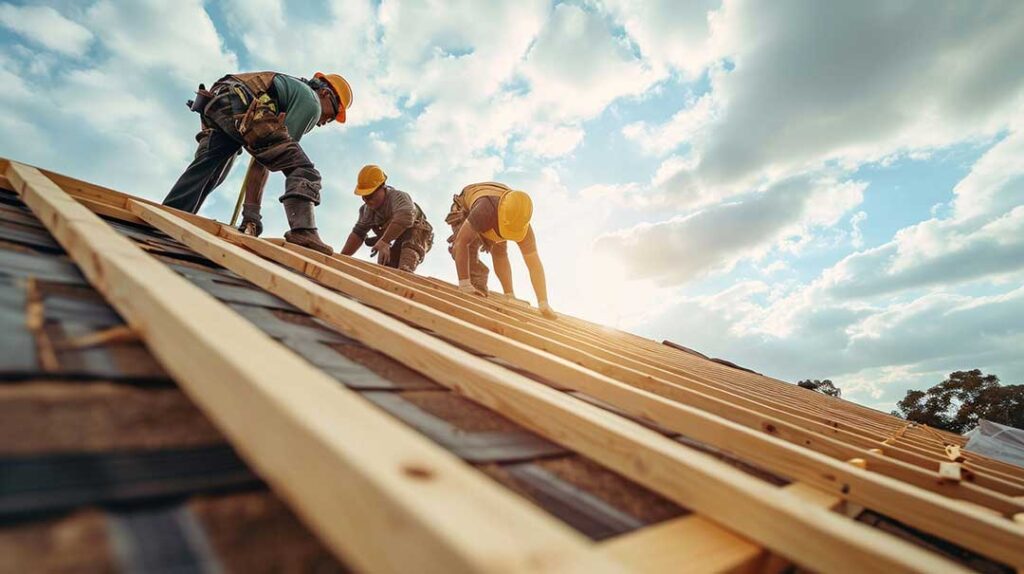
A typical residential roof lasts about 15 to 30 years, but the actual service life depends on the roofing material, installation quality, ventilation, maintenance, and exposure to weather. In Greene, NY, seasonal changes, winter snow, ice, wind, moisture, and repeated freeze-thaw cycles can affect how quickly a roof ages.
A roof’s advertised warranty is not a guaranteed replacement date. Some roofs need major repairs well before the expected lifespan, while others continue protecting a home beyond the usual range when they were properly installed and maintained.
How long do common roofing materials last?
The roofing material is the starting point for estimating service life.
- Basic asphalt shingles: Usually last about 15 to 20 years.
- Architectural asphalt shingles: Often last about 20 to 30 years, depending on product quality and exposure.
- Wood shingles or shakes: Commonly last 20 to 30 years, though moisture, moss, insects, and maintenance can change that range.
- Metal roofing: Often lasts 40 to 70 years or more when properly installed and protected from corrosion.
- Slate, clay, or concrete tile: May last 50 years or longer, but the supporting structure and underlayment may require attention before the roof covering reaches that age.
Most houses use asphalt shingles because they are relatively lightweight and adaptable to many roof designs. Their lifespan can vary considerably even when two roofs were installed during the same year.
Does a roof really last as long as its warranty?
Not necessarily. A “30-year” shingle generally refers to an expected performance category under defined conditions, not a promise that the entire roof will remain problem-free for 30 years.
The roof system includes more than the visible shingles. It also includes:
- Underlayment beneath the shingles
- Flashing around chimneys, walls, vents, and roof edges
- Drip edge and eaves
- Roof decking
- Ventilation components
- Fasteners and sealant
- Gutters and drainage details
A roof can develop leaks because of failed flashing, poor ventilation, damaged decking, or installation problems even when the shingles themselves appear relatively young. The age of the entire system matters more than the number printed on a shingle package.
How does Greene’s weather affect roof life?
Seasonal weather is a major factor in roof aging. Local homes experience long periods of cold weather, snow, ice, wind, rain, and changing temperatures. These conditions place repeated stress on roofing materials.
Freeze-thaw cycles can cause moisture to expand and contract around small cracks, exposed fasteners, flashing joints, and roof penetrations. Snow and ice can also keep roof surfaces damp for extended periods, especially in shaded areas or where debris blocks drainage.
Summer conditions matter as well. Strong sunlight and high roof temperatures gradually dry and weaken asphalt materials. Sudden changes between hot and cool conditions can contribute to curling, loss of flexibility, and separation at sealant strips.
Weather does not affect every roof equally. Roof orientation, shade from trees, slope, attic ventilation, and nearby structures all influence how quickly a particular roof ages.
What are the signs that a roof is nearing the end of its life?
Some warning signs are easy to see from the ground, while others require a closer inspection. Common indicators include:
- Shingles that curl, crack, blister, or appear brittle
- Missing shingles or tabs lifted by wind
- Large areas of loose or missing granules
- Dark streaks or patches that continue to spread
- Exposed nails or metal fasteners
- Sagging areas along the roofline
- Damaged or separated flashing
- Water stains on ceilings or upper walls
- Damp insulation or musty attic odors
- Daylight visible through the roof deck
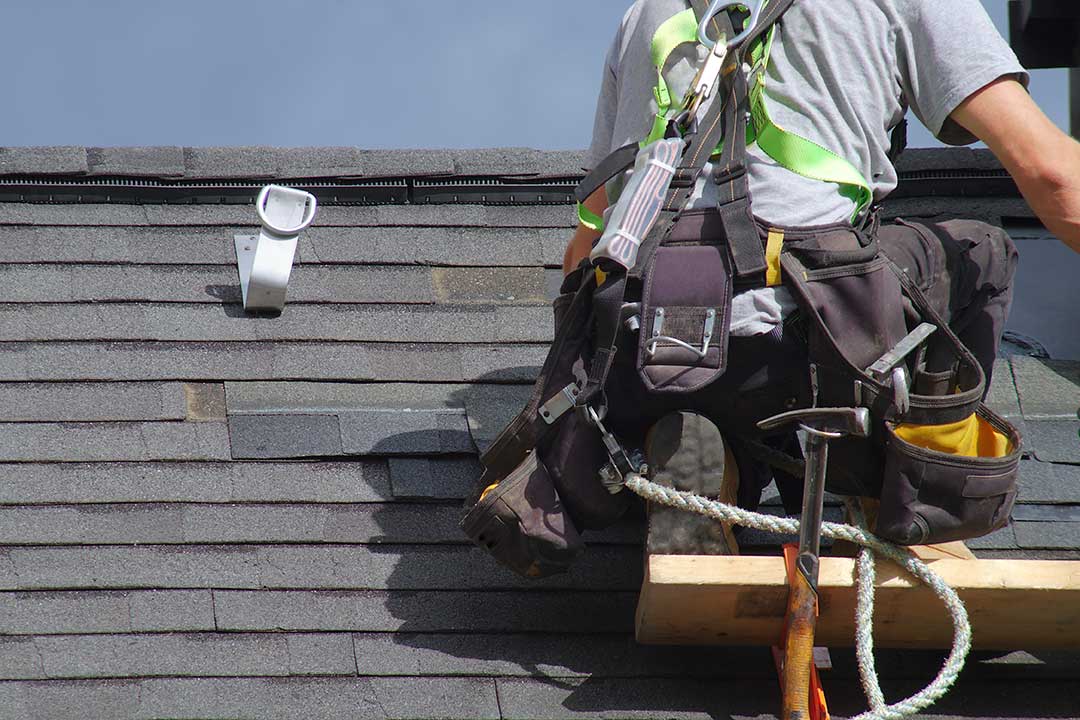
A few missing shingles do not always mean the entire roof needs replacement. Localized damage may be repairable, particularly when the rest of the roof is in good condition. However, repeated leaks, widespread granule loss, or deterioration across multiple roof slopes usually indicate that the roof is approaching the end of its useful life.
Does attic ventilation affect roof longevity?
Yes. Proper attic ventilation helps manage heat and moisture beneath the roof covering. Without adequate airflow, heat can build up during summer, while moisture from the home may condense in the attic during colder weather.
Persistent attic moisture can contribute to:
- Mold or mildew growth
- Rot in the roof decking
- Rusted fasteners
- Damp insulation
- Premature deterioration of shingles
- Ice buildup along the eaves
Ventilation must be balanced with proper air sealing and insulation. Adding a vent without addressing blocked airflow or indoor moisture may not solve the underlying problem. Bathroom and kitchen exhaust should discharge outdoors rather than into the attic.
Can maintenance extend a roof’s life?
Routine maintenance can help a roof reach its expected lifespan, although it cannot reverse advanced aging. Useful maintenance includes keeping valleys and drainage paths clear, removing branches that rub against shingles, and checking flashing after major wind or winter storms.
Gutters and downspouts also matter. Overflowing water can soak fascia boards, siding, foundation areas, and roof edges. Ice buildup near the eaves may increase the risk of water backing up beneath shingles.
Homeowners should avoid pressure washing asphalt shingles or walking on the roof unnecessarily. Both actions can remove protective granules or cause damage that is difficult to see from the ground. Roof access can also be hazardous when surfaces are wet, icy, steep, or weakened.
When should a roof be inspected?
A roof should be checked after severe wind, heavy snow, falling branches, or unusual leakage. It is also sensible to pay closer attention when the roof is about halfway through its expected service life.
For example, a 20-year-old asphalt shingle roof may still look acceptable from the yard but deserve careful evaluation before another winter season. Older roofs are more likely to have brittle shingles, weakened sealant, aging flashing, and hidden moisture damage.
An inspection is especially important when buying or selling a home, after a ceiling stain appears, or when repairs have become frequent. Because roof surfaces can be unstable, steep, or structurally compromised, close inspection may require appropriate safety equipment and training.
Is repair or replacement the better choice?
Repair is often reasonable when damage is limited to a small area and the surrounding roofing remains in good condition. Replacement becomes more likely when the roof has widespread deterioration, recurring leaks, sagging decking, failing flashing in several locations, or multiple layers of aging shingles.
The decision should consider both visible damage and remaining service life. Spending heavily on isolated repairs may be less practical if the roof is already near the end of its expected lifespan. On the other hand, replacing a roof solely because it has reached a certain age may be unnecessary if the materials and underlying structure remain sound.
The most useful question is not simply, “How old is the roof?” It is, “How well is the complete roofing system still performing?” Age, condition, weather exposure, attic moisture, drainage, and repair history together provide a more accurate answer.
