
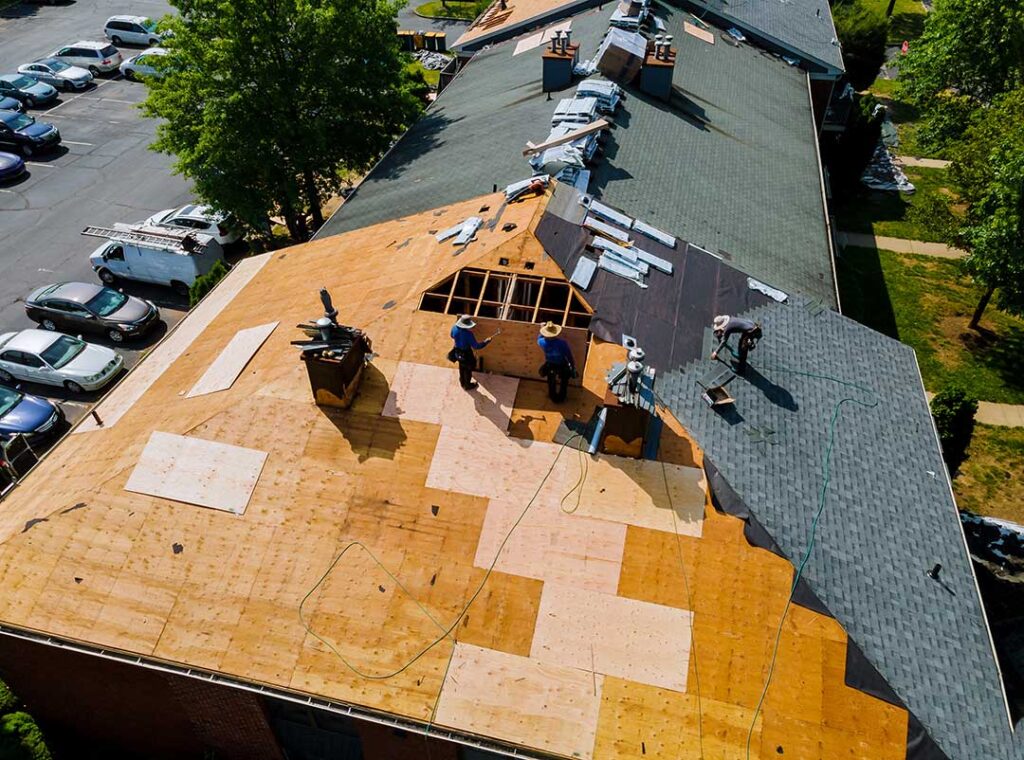
Why does regular roof maintenance matter?
Regular roof maintenance helps identify small problems before they become leaks, structural damage, or premature roof replacement. A roof can appear sound from the ground while hidden issues develop around flashing, vents, chimneys, valleys, gutters, and roof edges.
For homeowners in Greene, NY, routine care is especially useful because roofs are exposed to changing seasonal conditions. Winter snow and ice, spring rain, summer heat, falling leaves, and strong winds can each affect roofing materials in different ways. Maintenance provides an opportunity to address damage while repairs are usually simpler and less disruptive.
A roof does not need to be treated as if it were fragile. It does need periodic observation, cleaning where appropriate, and attention to details that are easy to overlook.
How can maintenance prevent roof leaks?
Most roof leaks begin at a vulnerable point rather than in the middle of an undamaged roofing surface. Common trouble spots include:
- Loose, cracked, or missing shingles
- Damaged flashing around chimneys, vents, skylights, and wall intersections
- Blocked or sagging gutters
- Exposed fasteners or failed sealant
- Torn underlayment at roof edges or penetrations
- Damaged pipe boots around plumbing vents
A maintenance check can reveal these conditions before water reaches the attic or interior ceiling. This matters because water may travel along roof framing, insulation, and drywall before appearing as a visible stain. By the time a leak is noticed indoors, the original entry point may be some distance away.
Early repairs also reduce the chance that a minor roof defect will affect insulation, electrical components, framing, or finished interior surfaces.
What damage can winter and snow cause?
Snow itself does not automatically damage a properly designed roof, but accumulated snow adds weight and can expose weaknesses in roofing, drainage, and structural components. Repeated freezing and thawing can also create problems along eaves and around flashing.
Ice dams may form when heat escapes unevenly through the attic and melts snow on the upper roof. The water can refreeze near colder roof edges, creating a barrier that prevents normal drainage. Water may then move beneath shingles or behind fascia boards.
Maintenance before winter can include checking attic insulation and ventilation, inspecting roof edges, clearing drainage paths, and looking for loose materials or areas where previous ice buildup caused damage. After major storms, a visual inspection from the ground can help identify slipped shingles, bent metal, sagging gutters, or unusual snow accumulation.
Residents should avoid climbing onto an icy or snow-covered roof. Roof surfaces become especially hazardous during winter, and snow removal can damage shingles or protective coatings if done improperly.
Does cleaning the roof extend its life?
Cleaning can help preserve a roof, but the method matters. Leaves, twigs, moss, and other organic debris can hold moisture against roofing materials. Debris may also block drainage channels and contribute to deterioration around valleys and roof edges.
Not every dark streak or discoloration means a roof is failing. Some staining is cosmetic, while moss growth can create a more direct moisture problem. Aggressive pressure washing may remove protective granules from asphalt shingles, loosen materials, or force water beneath roofing layers.
A safer maintenance approach depends on the roof type and condition. Loose debris may be removed carefully with a soft method, while established moss or algae may require a treatment suitable for the specific roofing material. Trimming nearby branches can also reduce shade, falling debris, and moisture retention.
Cleaning should not be used to hide widespread aging. Brittle shingles, repeated granule loss, sagging areas, or extensive surface damage may indicate that the roof needs a more detailed evaluation.
How do gutters and attic conditions affect the roof?
Gutters are part of the roof drainage system. When they are clogged or poorly aligned, water may overflow against fascia boards, siding, foundations, or roof edges. In cold weather, trapped water can freeze and contribute to ice buildup.
Gutters and downspouts should be checked after leaf fall, heavy storms, and periods of ice or snow. Warning signs include:
- Water spilling over the front edge during rain
- Gutters pulling away from the roofline
- Rusted seams or visible holes
- Downspouts discharging too close to the foundation
- Standing water near the roof edge
- Stains or decay on fascia boards
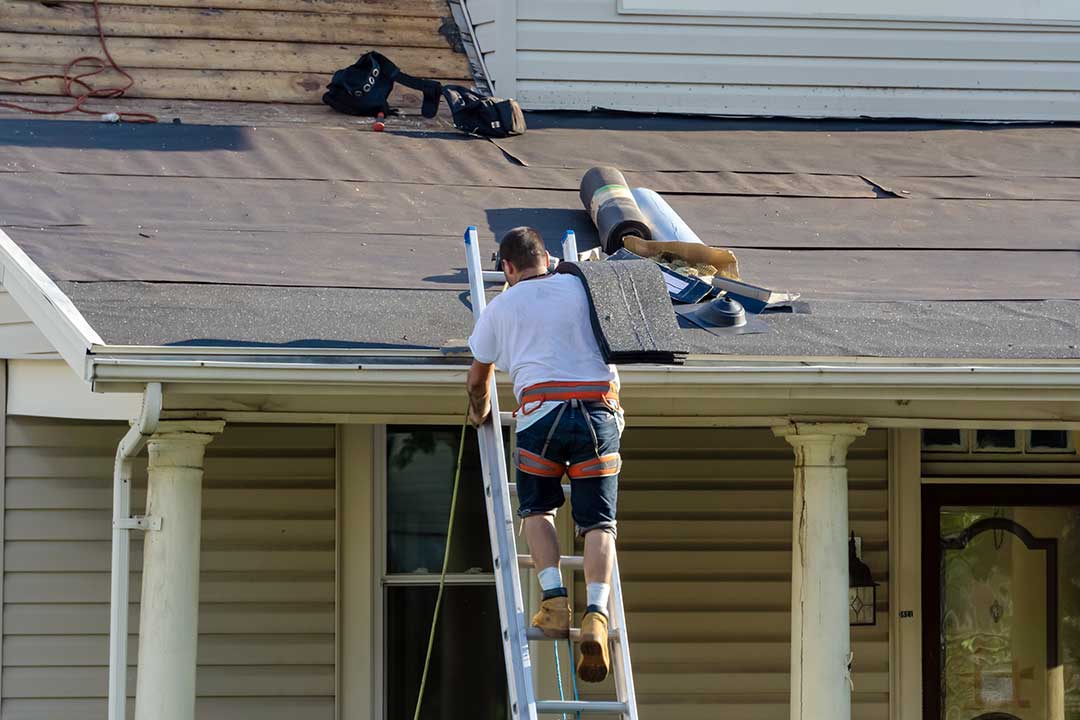
The attic provides another useful source of information. Damp insulation, musty odors, frost on roof sheathing, daylight where it should not be visible, and darkened wood can indicate ventilation or moisture concerns. Proper attic airflow helps manage heat and humidity, while adequate insulation reduces uneven roof temperatures during winter.
How often should a roof be inspected?
A practical schedule is to look over the roof and drainage system at least twice each year, commonly in spring and fall, along with additional checks after severe wind, hail, heavy snow, or falling branches.
A maintenance inspection does not always require walking on the roof. From the ground, residents can look for missing shingles, uneven roof lines, damaged flashing, excessive moss, and gutter problems. Binoculars can help with visibility, but they should not replace a close inspection when damage is suspected.
The age and type of roofing material also affect the schedule. Older roofs, roofs beneath large trees, and roofs with a history of leaks may require more frequent observation. Records of repairs, leaks, and storm damage make it easier to identify recurring problems.
Which roof problems require prompt attention?
Some conditions should not wait for a routine seasonal check. Prompt attention is appropriate when there is active leaking, a ceiling bulge, exposed roof decking, a large missing section of shingles, a sagging roof line, or visible damage after a major storm.
Water near light fixtures, electrical equipment, or outlets presents an added safety concern. If a ceiling is bulging from trapped water, avoid standing beneath it and avoid handling nearby electrical components.
Roof work can also involve fall hazards, unstable surfaces, and concealed damage. Residents may safely perform ground-level observations and basic gutter care when conditions permit, but hazardous conditions or uncertain structural damage require appropriate safety precautions and qualified evaluation.
What is the main benefit of a maintenance record?
A maintenance record helps distinguish a new problem from an older one and supports better decisions about repairs. Useful notes include the date of an inspection, observed damage, areas cleaned, storm conditions, attic findings, and any temporary measures taken.
Photographs taken from the same ground locations can make gradual changes easier to notice. Records are also useful when comparing repair history with the roof’s age, material, and exposure to trees or severe weather.
Regular maintenance cannot prevent every roof problem. It can, however, improve drainage, reveal developing damage earlier, reduce avoidable moisture exposure, and help residents plan for major work based on evidence rather than surprise leaks.
