
A new roof can improve a home’s value, but its effect is rarely as simple as adding the full replacement cost to the property’s selling price. The greatest financial benefit often comes from protecting the home, reducing buyer concerns, and preventing a roof problem from becoming a larger repair issue.
Does a new roof increase home value?
Yes, a new roof can increase a home’s market appeal and may support a higher selling price. However, the return depends on the roof’s condition before replacement, the quality of the work, the home’s overall condition, and what buyers expect from similar properties.
A roof that is visibly worn, leaking, sagging, or near the end of its service life can make buyers cautious. They may reduce their offer, request repairs, or avoid the property entirely. Replacing that roof may not create a large profit, but it can prevent the home from being discounted.
A newer roof also gives buyers confidence that one of the home’s most important protective systems does not need immediate attention. That sense of reduced risk can matter as much as appearance.
Why does roof condition matter so much to buyers?
The roof protects the attic, insulation, walls, ceilings, electrical components, and interior finishes from water. If it fails, the visible damage may be limited at first, while hidden moisture continues affecting the structure.
During a home purchase, buyers and inspectors commonly look for:
- Missing, cracked, curled, or heavily worn roofing materials
- Stains on ceilings or attic framing
- Soft areas in the roof deck
- Damaged flashing around chimneys, vents, and roof edges
- Poor attic ventilation or signs of condensation
- Evidence of repeated patching
- Gutters or drainage systems that are contributing to water problems
A roof near the end of its expected life can become a negotiating issue even if it is not actively leaking. Buyers may view it as an upcoming expense and adjust their offer to account for uncertainty.
Is a new roof more valuable than roof repairs?
Not always. A full replacement may be unnecessary if the roof is generally sound and the problems are limited to isolated flashing, ventilation, or small areas of damage.
Targeted repairs can be financially sensible when:
- The roofing material still has substantial useful life
- The roof deck is dry and structurally sound
- Leaks have a clear, limited source
- Previous repairs have not become frequent or widespread
- The remaining roof is in reasonably consistent condition
Replacement becomes more likely to support home value when the existing roof has widespread deterioration, repeated leaks, multiple layers, significant storm damage, or visible aging across most of the surface.
A new roof installed over a failing foundation will not solve underlying structural or moisture problems. Buyers and inspectors may still identify issues in the decking, framing, attic, or interior.
How does Greene’s climate affect roof value?
In Greene, roofs must handle changing seasons, freezing temperatures, snow, rain, wind, and repeated transitions between wet and dry conditions. Winter snow can remain on roof surfaces, while freeze-thaw cycles may put stress on flashing, sealants, shingles, and exposed edges.
Summer heat and humidity also affect roofing materials and attic conditions. Poor ventilation can contribute to excessive heat buildup, condensation, and shortened material life. Ice dams may form when heat escapes unevenly through the roof, allowing melting snow to refreeze near the eaves.
For local buyers, a roof’s value is therefore tied to more than its age. They may also want to know:
- Whether water is directed away from the foundation
- Whether the attic shows moisture or ventilation problems
- Whether flashing has been properly maintained
- Whether roof valleys and edges are in good condition
- Whether the installation complies with applicable New York State requirements
A roof that has been designed and maintained for seasonal conditions can be more reassuring than one that is simply described as “new.”
Does roof appearance affect curb appeal?
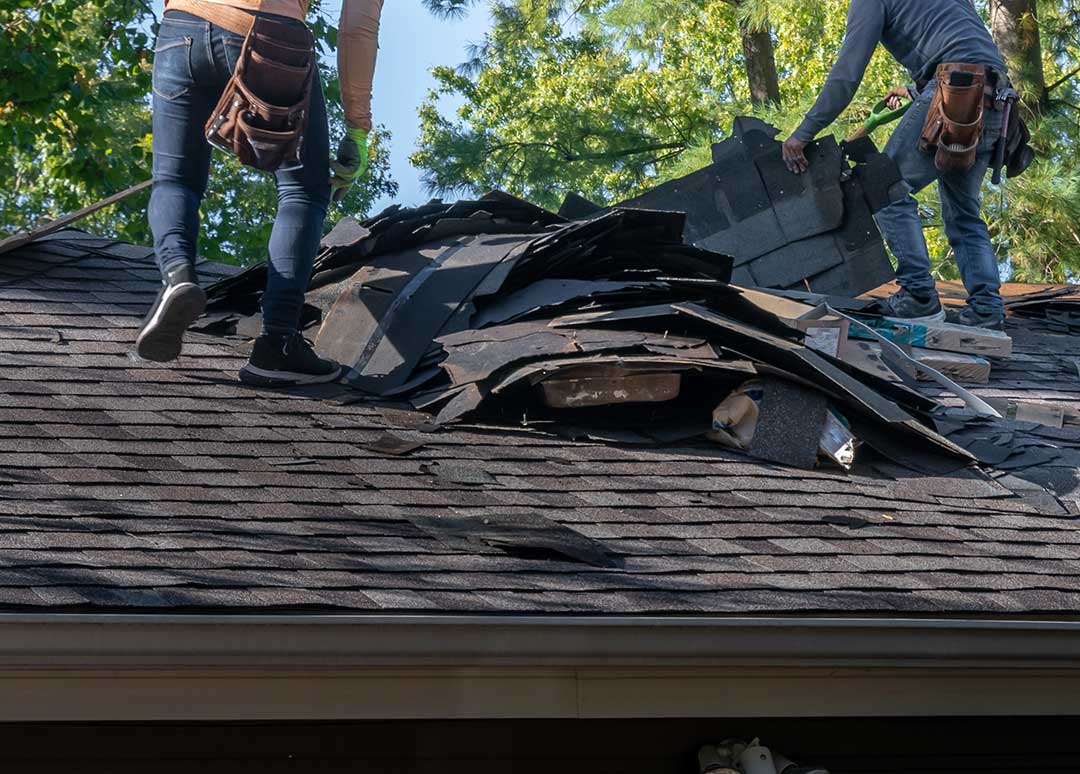
Yes. A roof covers a large portion of the visible exterior, so worn or mismatched materials can make the entire home appear less maintained. A clean, consistent roof can improve the visual balance of the siding, trim, windows, and other exterior features.
Appearance alone does not determine value, but it influences a buyer’s first impression. A roof with heavy moss, patchwork repairs, uneven lines, or obvious discoloration may suggest deferred maintenance, even when the underlying damage is limited.
A replacement does not need to be elaborate to improve appearance. Consistent installation, properly finished edges, clean flashing, and a color that suits the home usually matter more than decorative upgrades.
Can a new roof help a home sell faster?
It may reduce obstacles during the selling process, particularly when the existing roof is a clear concern. Buyers often have limited budgets for immediate repairs. A home with a newer roof may be easier to evaluate because there is less uncertainty about a major upcoming expense.
A newer roof can also help during inspection and financing discussions. Some lenders or insurers may raise questions about roofs with severe deterioration or limited remaining life. The exact requirements vary, but documented maintenance and permitted work can make the property easier to review.
That does not guarantee a faster sale. Location, price, condition, layout, taxes, utilities, and broader market conditions continue to influence how quickly a property attracts an acceptable offer.
What documentation helps preserve the roof’s value?
Paperwork can make a replacement more useful to future buyers. Important records may include:
- Permit information, where required
- The date of installation
- Materials used
- Areas where damaged decking was replaced
- Ventilation or insulation improvements
- Warranty documents
- Photos taken before, during, and after the work
- Records of later inspections or repairs
Local code requirements should not be overlooked. Roofing permits are required in Greene for roof replacement and roof recover work, and unpermitted work can create enforcement, resale, and documentation problems. Keeping records with the home’s other maintenance documents helps establish what was done and when.
Does an expensive roof create more value?
Usually, the most expensive roofing option does not produce a matching increase in resale value. Buyers generally care more about sound installation, appropriate materials, reliable drainage, clean appearance, and remaining service life than about premium features they did not request.
Value tends to be strongest when the work is proportional to the home and consistent with nearby properties. Over-improving the roof may be difficult to recover, while underbuilding or choosing materials poorly suited to local weather can create future concerns.
Energy-related improvements may also be worthwhile when they address a real building problem. Better attic insulation and ventilation can improve comfort and help protect the roof system, although these upgrades should be evaluated separately from the resale value of the roof covering itself.
Should a homeowner replace the roof before selling?
The answer depends on timing, condition, and available funds. Replacement may be reasonable when the roof is clearly failing, has caused interior damage, or is likely to become a major inspection issue. If the roof is serviceable but older, a professional inspection and realistic disclosure may be more cost-effective than immediate replacement.
Homeowners should compare the likely benefit with the full cost of removal, disposal, repairs to the roof deck, permits, ventilation work, and related exterior corrections. A roof replacement is a protective investment first. Its effect on home value is strongest when it prevents damage, reduces buyer uncertainty, and demonstrates that the home has been responsibly maintained.
