
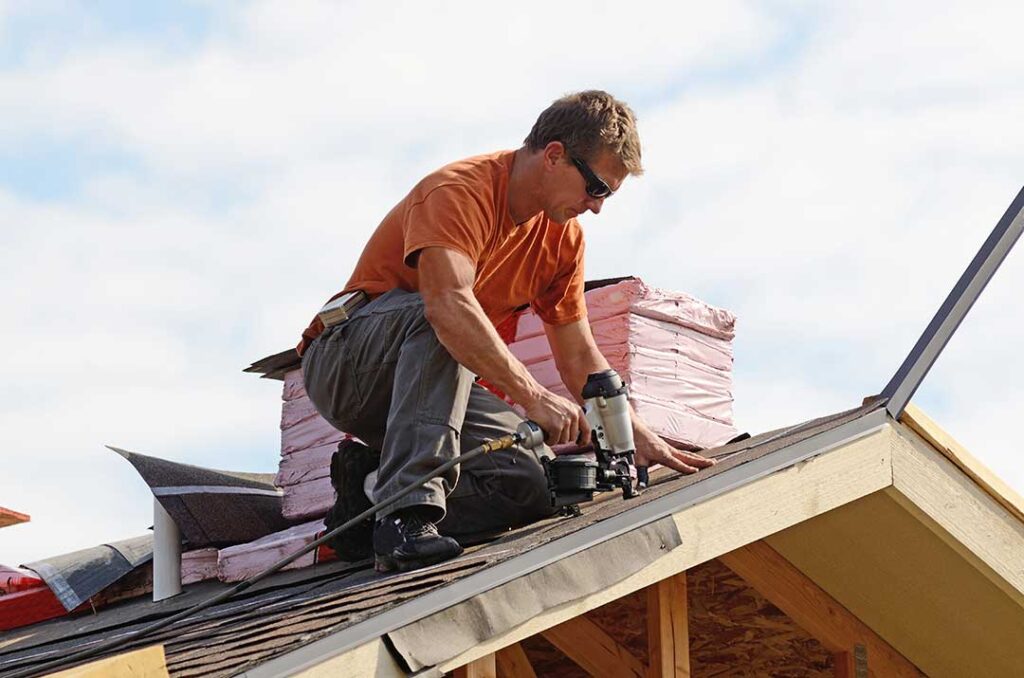
Shingle curling and cracking are common roof problems, but they do not all mean the same thing. A few lifted corners may be an early warning, while widespread cracking, missing granules, or brittle shingles can indicate that the roof is losing its weather protection.
For homeowners in Greene, NY, seasonal temperature changes, winter moisture, wind, ice, and repeated freeze-thaw cycles can all affect asphalt shingles. Understanding the cause helps determine whether the condition can be monitored, repaired, or requires more extensive attention.
What do curled or cracked shingles look like?
Curled shingles usually bend upward at the corners or along the edges. Some develop a raised center while the edges remain attached. Others curl under, creating a wavy or uneven appearance across the roof.
Cracked shingles may show:
- Short splits along the surface
- Long cracks running through the shingle tab
- Fine lines that resemble dried mud
- Broken edges around exposed nail areas
- Splits that allow the shingle to separate from neighboring tabs
Cracks are sometimes difficult to see from the ground. Binoculars can help with a basic visual check, but walking on a roof can damage shingles and create a fall hazard, especially when the surface is wet, icy, steep, or brittle.
Why do roof shingles curl?
Curling generally happens because shingles have lost flexibility, have been exposed to excessive heat or moisture, or were not installed under suitable conditions.
Common causes include:
Age and normal weathering
Asphalt shingles gradually lose oils and flexibility. With age, the material becomes more rigid and less able to expand and contract as temperatures change. The edges may then lift or curl.
Older roofs may also show widespread granule loss, fading, exposed fiberglass mat, or brittle tabs. Curling across many sections is usually more significant than one isolated lifted corner.
Poor attic ventilation
An attic that cannot release heat and moisture may contribute to premature shingle aging. In summer, excessive attic heat can raise the temperature of the roof deck and shingles. During colder months, trapped indoor moisture can condense beneath the roof.
Proper ventilation is not simply a matter of adding a vent. Intake and exhaust openings must work together, and insulation should not block intended airflow paths. Bathroom or kitchen exhaust should also discharge outdoors rather than into the attic.
Improper installation
Shingles may curl if they were installed over a damp or uneven surface, fastened incorrectly, placed too close to an edge, or applied during unsuitable weather. Inadequate sealing can also leave tabs vulnerable to wind.
A shingle’s built-in seal strip may not bond properly if installation occurs during cold conditions or if dust, debris, or moisture interferes with adhesion. Sunlight often helps complete the sealing process, but severely lifted shingles may not settle on their own.
Moisture beneath the shingles
Roof leaks, damaged flashing, inadequate underlayment, or condensation can allow moisture into the roof system. Moisture may cause the roof deck to swell or move, which can distort the shingles above it.
Curling does not prove that a leak exists, but curled shingles should be checked for damp insulation, stained decking, peeling interior paint, or water marks near ceilings and upper walls.
What causes shingles to crack?
Cracking is often associated with age, repeated expansion and contraction, or movement in the roof materials.
Thermal movement
Dark roofing materials heat up in direct sun and cool quickly after sunset or during cold weather. Repeated movement can create stress in the asphalt surface. Over time, that stress may appear as small cracks or splits.
Greene’s changing seasons can make this process more noticeable. Freeze-thaw conditions are especially hard on roof systems because water expands as it freezes and can enter small openings around shingle edges, flashing, and fasteners.
Brittle shingles
A shingle that has become brittle may crack when exposed to wind, impact, foot traffic, or maintenance work. Brittle material may break around nails or split when the roof deck shifts slightly.
A roof does not have to look severely damaged to be fragile. If granules come off easily, the surface feels stiff, or the tabs break during minor disturbance, repairs may be difficult to perform without causing additional damage.
Structural or deck movement
Roof decking can move because of moisture, settlement, improper spacing between panels, or changes in framing. If the surface beneath the shingles is uneven, the shingles may crack over ridges, seams, or depressions.
Cracking concentrated in straight lines may point to movement below rather than ordinary aging alone. This pattern deserves closer inspection before individual shingles are replaced.
Are curled or cracked shingles an emergency?
Usually, a few curled or cracked shingles are not an immediate emergency, but they should not be ignored. The urgency increases when damage is widespread or when the roof is allowing water to enter.
More urgent warning signs include:
- Active dripping or ceiling staining
- Missing shingles after strong wind
- Exposed underlayment or roof decking
- Large areas of lifted or cracked shingles
- Sagging roof surfaces
- Water near electrical fixtures
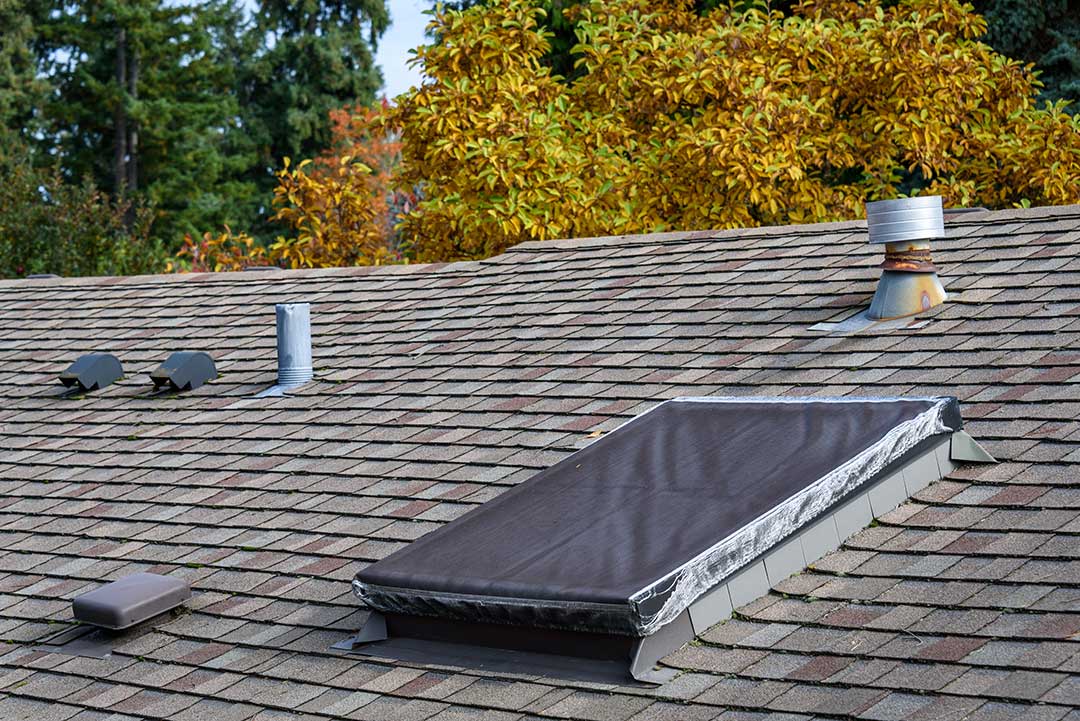
- Damage around chimneys, vents, skylights, or roof valleys
If water is entering near electrical wiring or fixtures, avoid touching wet components and address the electrical hazard separately. Roof access during snow, ice, high wind, or rain should be avoided.
Can curled shingles be repaired?
A single damaged shingle may sometimes be replaced without disturbing the rest of the roof. Limited lifting may also be secured if the shingle is still flexible, intact, and properly bonded beneath the exposed area.
Repair is less dependable when shingles are brittle, cracked across the tab, or curling throughout the roof. Sealants and roofing cement may provide temporary assistance in limited situations, but they are not a substitute for replacing deteriorated material. Heavy surface coatings can also hide damage and complicate future inspection.
Matching replacement shingles can be difficult if the existing roof has faded. Even when the color appears close, differences in age and exposure may remain visible.
When does curling or cracking suggest roof replacement?
Replacement becomes more likely when damage is widespread, the shingles are near the end of their expected service life, or several roofing components are failing together.
Signs that a broader evaluation is warranted include:
- Curling on multiple roof slopes
- Cracks appearing across many shingles
- Extensive granule accumulation in gutters
- Bald or exposed areas on shingle surfaces
- Repeated leaks despite localized repairs
- Damaged or deteriorated flashing
- Soft spots or sagging in the roof deck
The condition of the underlayment, flashing, ventilation, and decking matters as much as the visible shingles. Replacing shingles without correcting a moisture problem or deck issue may only delay the same damage.
How can homeowners inspect the problem safely?
A ground-level inspection is often enough to identify whether the problem is isolated or widespread. Look from several sides of the house, especially after strong wind or a major temperature change.
From the ground, check for:
- Uneven shingle lines
- Raised corners
- Missing tabs
- Dark areas that may indicate moisture
- Excess granules near downspouts
- Exposed fasteners or underlayment
- Damaged flashing around roof openings
Inside the attic, look for daylight through the roof deck, damp insulation, rusted fasteners, mold-like staining, or water trails. A small roof leak may not appear directly above an interior stain because water can travel along framing before entering the living space.
Do not use a ladder or climb onto the roof if the surface is wet, icy, unstable, or beyond a safe working height. Roof repairs that involve steep slopes, structural concerns, electrical hazards, or significant water intrusion should be handled by someone properly equipped and trained for the conditions.
How can shingle damage be reduced?
Regular observation helps catch small problems before water reaches the roof deck. Keep gutters and downspouts clear so water can drain properly, trim branches that rub against the roof, and check for wind damage after severe weather.
Attic insulation and ventilation should be evaluated as a system. Moisture-producing activities such as bathing, cooking, and drying clothes can increase attic humidity if exhaust is not routed outdoors.
Avoid pressure washing shingles, applying unapproved coatings, or walking across the roof unnecessarily. These actions can remove protective granules and make cracking more likely. A roof that appears acceptable from the yard may still need closer inspection if it has visible curling, repeated leaks, or signs of brittle material.
