
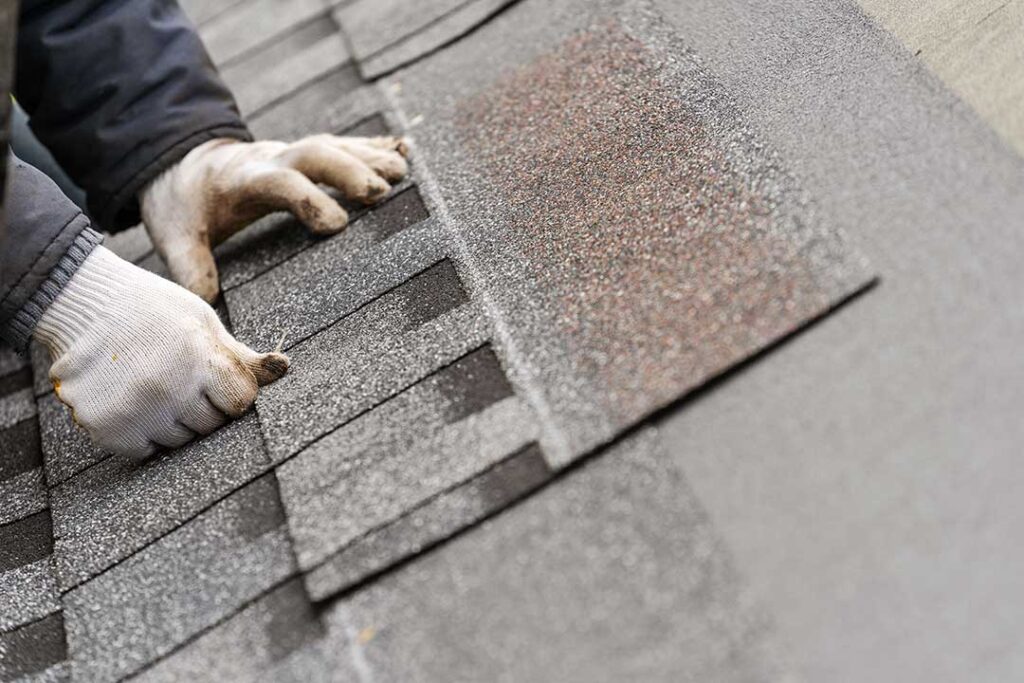
Roof repairs can look simple from the ground, but even a small task may involve fall hazards, hidden structural damage, electrical risks, and weather-related problems. For residents of Greene, NY, the safest do-it-yourself roof work is usually limited to ground-level inspection, light maintenance, and minor repairs that do not require walking on a steep, fragile, or icy surface.
A useful rule is simple: if the job requires climbing onto the roof, working near an edge, removing large sections of roofing, or changing the roof’s drainage or structure, the risks increase quickly.
What roof work is usually reasonable for a homeowner?
Minor work may be appropriate when the roof is low-slope, dry, structurally sound, and accessible without unsafe climbing. The person doing the work should also understand the materials and have a safe way to protect against falls.
Lower-risk examples include:
- Looking at the roof from the ground with binoculars
- Cleaning leaves and small debris from gutters while standing safely on the ground
- Trimming branches that are clearly away from utility lines and can be handled from the ground
- Replacing a missing gutter screen or downspout extension
- Sealing a small, clearly identified penetration from a safe location
- Replacing a few loose exterior fasteners when the work can be reached from a properly positioned ladder
- Checking attic insulation and ventilation from inside the home
- Removing light debris from a porch or low accessory structure when there is no fall exposure
Even these tasks require attention to weather, ladder placement, and surrounding hazards. A job that is safe from a stable platform may not be safe from a ladder leaning against an uneven surface.
When should roof work not be done yourself?
Roof work should generally not be attempted when it involves a steep slope, an unprotected edge, wet or icy materials, damaged decking, or uncertain structural conditions. A roof can fail under a person’s weight even when the surface appears intact.
Avoid climbing onto the roof if any of these conditions are present:
- Snow, frost, ice, rain, or morning condensation
- Strong wind or rapidly changing weather
- A steep pitch that requires special roof access equipment
- Soft, sagging, cracked, or visibly deteriorated decking
- Loose shingles that expose the roof surface below
- Moss or algae that makes footing unpredictable
- Skylights, roof hatches, solar equipment, or fragile panels
- Overhead electrical lines
- A roof edge located above concrete, stone, stairs, or other hard surfaces
- A medical, balance, vision, or mobility issue that could affect climbing
In Greene, winter weather deserves particular caution. Freeze-thaw cycles can loosen roofing materials, create hidden ice, and make ladders unstable. A roof that was walkable during a dry autumn afternoon may be unsafe after one overnight freeze.
Is a ladder enough protection?
A ladder provides access; it does not automatically make roof work safe. Falls can occur while stepping from the ladder onto the roof, while carrying tools, or while climbing down.
Before using a ladder, inspect it for bent rails, damaged feet, missing hardware, and contamination from oil, mud, or ice. Set it on firm, level ground, keep the base clear of foot traffic, and maintain three points of contact while climbing. Tools should be carried in a belt or raised separately rather than held in both hands.
Never place a ladder on stacked boards, boxes, loose soil, snow, or other makeshift supports. Do not work alone if a fall or sudden injury could leave someone unable to reach a phone or obtain help.
A ladder is not a substitute for proper fall protection on a roof. If the work requires standing near an edge or moving across a sloped surface, the equipment and training needed may be beyond ordinary homeowner maintenance.
Can a homeowner replace a few shingles?
Sometimes, but only under limited conditions. Replacing a small number of shingles may be manageable when the roof is dry, the slope is gentle, the damaged area is easy to reach, and the surrounding shingles are still flexible enough to work without breaking.
The repair becomes less suitable for do-it-yourself work when:
- The damaged area is near a ridge, valley, eave, chimney, or skylight
- Shingles are brittle from age or cold weather
- The leak source is not directly above the interior stain
- Multiple layers of roofing are present
- The roof deck feels soft
- Flashing is rusted, bent, or missing
- Water has entered insulation, walls, ceilings, or electrical components
A ceiling stain does not always identify the location of the roof failure. Water can travel along rafters, underlayment, and decking before appearing indoors. Covering the visible spot with roofing cement may delay discovery without correcting the underlying problem.
What roof jobs are too complex for most DIY projects?
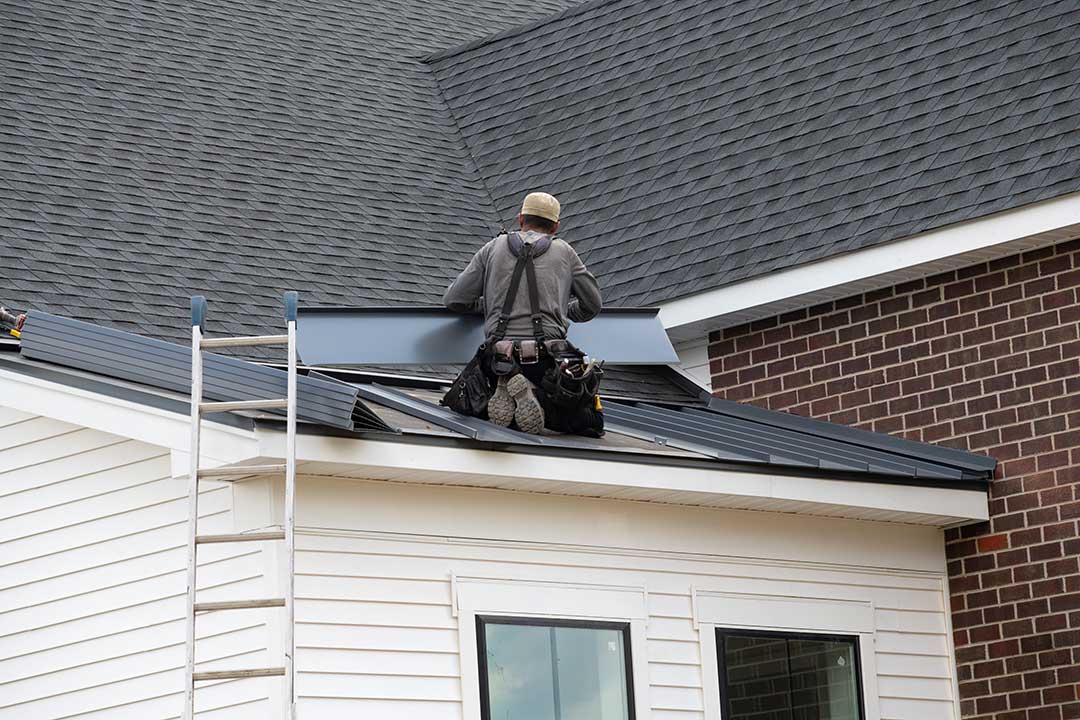
Some tasks involve more than surface repair. They can affect the building envelope, ventilation, drainage, and structural stability.
Homeowners should be especially cautious with:
- Replacing large sections of roofing
- Repairing or replacing roof decking
- Altering rafters, trusses, or load-bearing framing
- Installing or changing roof vents
- Repairing chimney flashing or masonry
- Working around skylights
- Installing roofing on a new addition
- Changing gutters or drainage in a way that affects neighboring property
- Removing ice dams from a roof edge
- Working near electrical service, antennas, or attached equipment
These jobs can create leaks or structural problems if materials are installed in the wrong sequence or if flashing is not integrated correctly. Local code requirements may also apply when roof coverings, structural components, or building systems are changed. Before starting a substantial project, property owners should check current requirements with the appropriate local building authority.
How can someone inspect a roof without climbing onto it?
A ground-based inspection can identify many warning signs. Use binoculars from several angles and look for:
- Missing, curled, cracked, or lifted shingles
- Exposed underlayment or wood
- Sagging roof lines
- Rusted or displaced flashing
- Debris collecting in valleys
- Granules accumulating heavily near downspouts
- Staining on exterior walls or soffits
- Gutters pulling away from the fascia
- Ice buildup or repeated winter leakage
Inside the attic, look for daylight through the roof deck, damp insulation, water marks, mold-like growth, or rusty nail tips. Inspection should be performed only from a stable floor or walkway; stepping between ceiling joists can result in falling through the ceiling.
What is the safest response to an active leak?
For a small active leak, place a container beneath the drip and move furniture or electrical devices away from the area. If water is near a light fixture, outlet, wiring, or electrical panel, avoid touching wet components and use the electrical shutoff only if it can be reached safely.
Do not climb onto a wet roof during a storm to place a tarp. Temporary covering may be possible from the ground or another secure location, but a tarp can become a wind hazard if poorly secured. The immediate goal is to limit interior damage while avoiding a second emergency.
The safest do-it-yourself roof work is work that stays within the person’s training, equipment, physical ability, and weather conditions. If the task involves a fall hazard, uncertain structure, electrical exposure, or a leak that cannot be clearly traced, stopping before the work begins is a sound safety decision.
