
Moss and algae growth on a roof is usually a sign that the surface stays damp for long periods. In Greene, NY, shaded roof slopes, nearby trees, seasonal rain, snowmelt, and fallen leaves can create conditions where organic growth becomes established.
Algae is often seen as dark green, gray, or black streaks. Moss appears thicker and more three-dimensional, with a soft green texture. The two problems are related but should not be handled exactly the same way.
Is moss or algae on a roof a serious problem?
Algae is mainly a cosmetic concern at first, but heavy growth can hold moisture against roofing materials. Moss creates a greater risk because it can grow beneath shingle edges, lift the shingles, and interfere with normal water drainage.
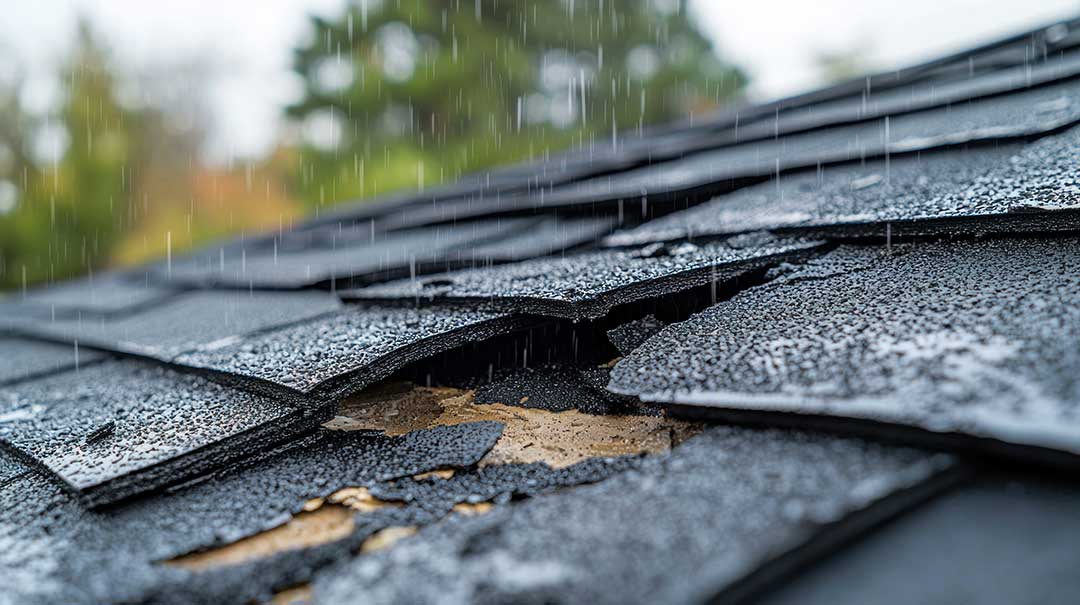
A small patch does not automatically mean the roof is failing. However, growth deserves closer attention when it is accompanied by:
- Lifted, curled, or cracked shingles
- Loose granules collecting in gutters
- Dark damp areas beneath the roof
- Water stains on ceilings or attic framing
- Moss spreading across several roof sections
- Leaves and debris collecting behind the growth
Moss can also make a roof slippery, especially after rain or when cleaning solutions are applied. That makes roof access hazardous even on roofs that do not appear especially steep.
Why does moss grow on some roofs but not others?
Moss needs moisture, shade, and a surface where it can remain undisturbed. Roofs that face away from direct sunlight often dry more slowly. Overhanging branches can add shade, drop leaves, and restrict airflow.
Common contributing conditions include:
- Tree branches touching or hanging over the roof
- Gutters filled with leaves or sediment
- Downspouts that discharge too close to the foundation or roof edge
- Roof valleys where organic debris accumulates
- Poor attic ventilation that allows heat and moisture to build up
- Low-slope sections that drain slowly
- Shingles with worn or missing protective granules
The seasonal pattern in Greene, NY, can make these conditions more noticeable. Spring rain, humid summer weather, autumn leaf fall, and winter snowmelt may repeatedly wet a shaded roof before it has time to dry.
How can a homeowner tell moss from algae?
Moss usually looks like a raised green mat or small clumps attached to the roofing surface. It may appear along shingle edges, in roof valleys, or near areas where leaves collect.
Algae generally forms flat discoloration or streaks. Black or dark streaking is often algae rather than dirt. Algae can spread across broad areas without visibly lifting shingles.
Lichen may also be present. It has a crusty or leafy appearance and can attach firmly to shingles. Because lichen, moss, and algae respond differently to cleaning methods, identifying the growth before treating it helps prevent unnecessary damage.
What is the safest way to address roof growth?
The safest approach depends on the roofing material, roof slope, age, and amount of growth. For asphalt shingles, aggressive cleaning can remove protective granules and shorten the useful life of the roof.
Avoid these common mistakes:
- Do not pressure-wash asphalt shingles.
- Do not scrape forcefully with a shovel, metal tool, or stiff blade.
- Do not pull moss upward against the direction of shingle overlap.
- Do not use a cleaning chemical without reading its label.
- Do not mix bleach, acids, ammonia, or other household chemicals.
- Do not allow concentrated runoff to damage plants, soil, siding, or painted surfaces.
For minor growth that can be reached safely from the ground or a stable ladder position, removing nearby leaves and branches may slow the problem. Physical removal from the roof itself should be approached cautiously because wet moss and treated shingles can be extremely slick.
Cleaning products labeled for the specific roofing material may help with algae or moss, but the label directions should be followed exactly. The product should be tested only as directed, and runoff should be controlled. Some treatments kill the growth gradually rather than making the roof look clean immediately.
Should moss be removed before cleaning?
Usually, heavy moss should be loosened and removed carefully before a treatment is applied. A treatment may kill moss, but dead material can remain attached to the roof and continue holding moisture.
Removal should follow the slope of the roof rather than working upward beneath the shingle edges. The goal is to avoid breaking the adhesive strips, dislodging granules, or bending shingles.
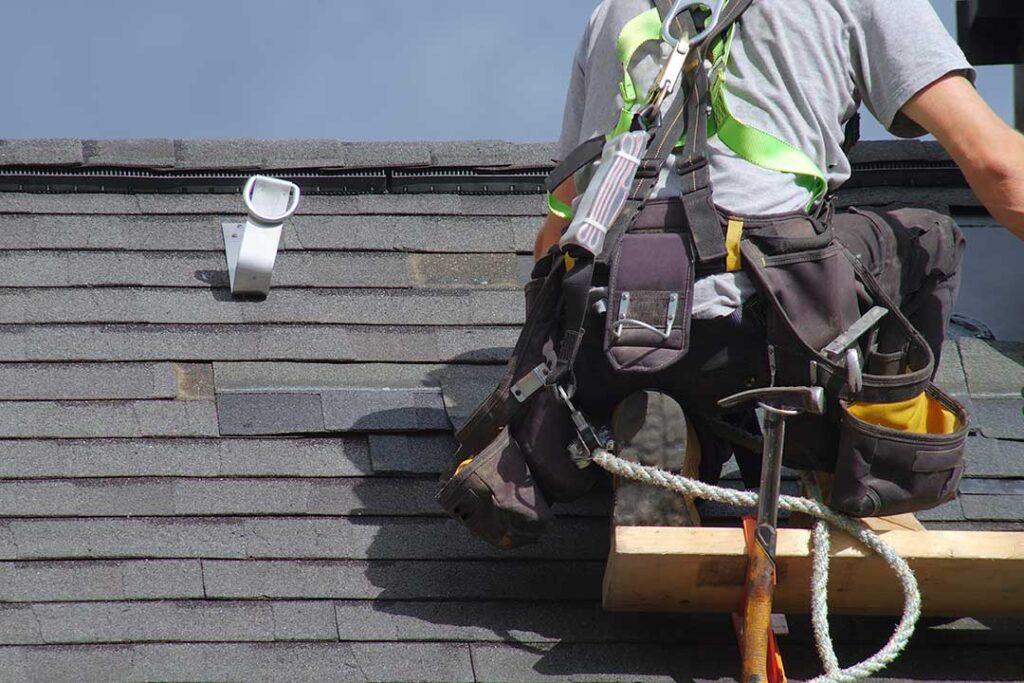
If the roof is steep, more than one story above ground, visibly deteriorated, or difficult to access, staying off the roof is the safer choice. Fall protection and proper footwear are necessary for roof work, and a cleaning job is not worth a serious fall injury.
How can moss and algae growth be prevented?
Prevention focuses on reducing shade, moisture, and debris. It will not make a roof permanently immune to organic growth, but it can reduce how quickly it returns.
Useful maintenance steps include:
- Keep tree limbs from resting on or heavily shading the roof.
- Remove leaves, pine needles, and small branches from valleys and roof edges.
- Keep gutters and downspouts clear so water can move away efficiently.
- Check that downspouts are not overflowing onto roofing or siding.
- Improve attic ventilation if condensation or excessive humidity is present.
- Inspect roof areas after major storms and after winter snow melts.
- Watch shaded roof slopes more closely than sunny sections.
Zinc or copper strips are sometimes used near the ridge to discourage moss and algae as rainwater moves down the roof. These systems are not suitable for every roof, and runoff may affect plants, soil, or metal components. Their use should also be compatible with the roofing manufacturer’s guidance.
When a roof eventually needs replacement, algae-resistant shingles may be an option. They can reduce visible algae staining, but they do not eliminate the need to control shade, debris, and moisture.
When does growth suggest a roof inspection is needed?
An inspection becomes more important when moss is thick, widespread, or repeatedly returning after cleaning. Growth may conceal damaged shingles or prevent a clear view of flashing, valleys, and roof edges.
A qualified inspection is particularly appropriate when there are interior water stains, sagging areas, exposed underlayment, missing shingles, or signs that water is entering the attic. Safety concerns also justify outside assistance when the roof is steep, high, icy, fragile, or heavily covered with growth.
Moss and algae are not always emergencies, but they should not be ignored indefinitely. Addressing the moisture and shade conditions, protecting the shingles during cleaning, and checking for hidden damage can help preserve the roof through the wet and snowy seasons common to the area.
