
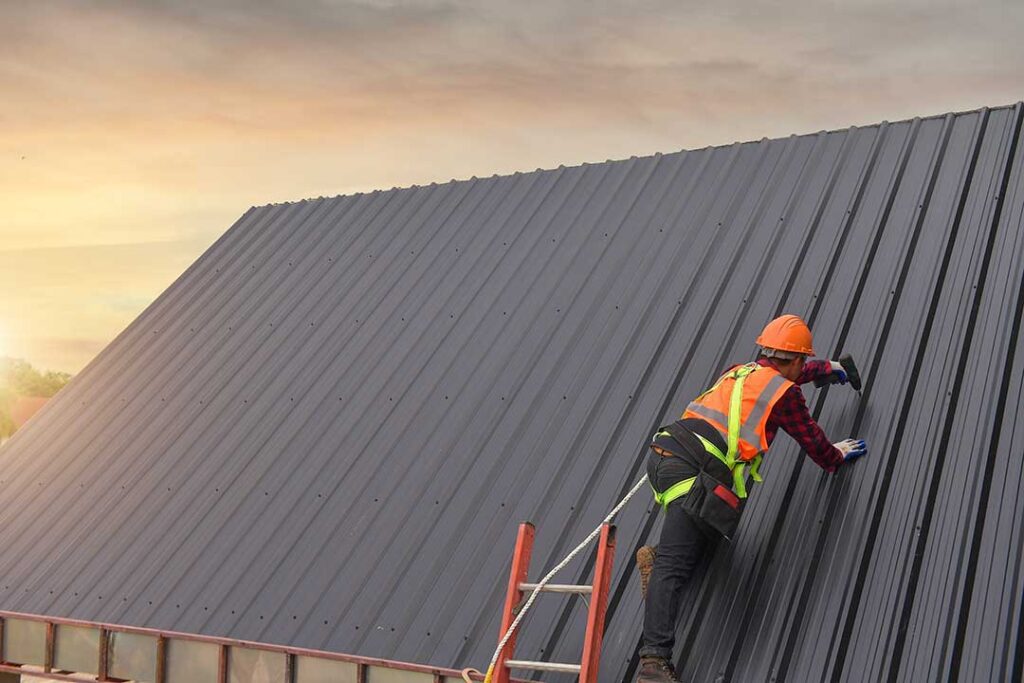
Is cleaning a roof safe to do yourself?
Roof cleaning can be handled safely from the ground in many cases, but climbing onto a roof creates serious fall, surface, and electrical hazards. For most homes, the safest approach is to remove loose debris from the ground, keep gutters clear, and avoid walking on shingles unless the roof is low-slope, dry, stable, and equipped for safe access.
A roof may look sturdy, but asphalt shingles become slippery when wet, covered with algae, or coated with fine moss. Steep sections, dormers, skylights, brittle shingles, and roof edges make the work more hazardous than it may appear from the yard.
In Greene, NY, roof maintenance often involves conditions that change throughout the year. Snow, ice, spring pollen, falling leaves, damp shade, and repeated freeze-thaw cycles can all leave debris or biological growth on roofing materials.
What should be checked before cleaning?
Inspect the roof from the ground first. Binoculars can help identify problem areas without requiring a climb.
Look for:
- Heavy moss or thick vegetation lifting shingles
- Missing, cracked, curled, or loose shingles
- Sagging roof sections
- Damaged flashing around chimneys, vents, and skylights
- Clogged or overflowing gutters
- Dark streaks or green patches
- Granules collecting heavily in downspouts or at the base of gutters
- Branches resting on the roof
- Exposed nails, deteriorated sealant, or visible holes
Do not begin cleaning if the roof is wet, icy, frost-covered, unusually steep, visibly damaged, or difficult to access. A roof that has suffered storm damage may be weakened beneath the surface, even if the problem is not obvious from the ground.
Skylights deserve special caution. Some are not designed to support a person’s weight and can be difficult to distinguish from ordinary roof surfaces when covered with snow, leaves, or dirt.
What is the safest way to remove leaves and loose debris?
Use a soft roof rake or a long-handled brush from the ground whenever possible. Work from the edge and pull debris downward rather than pushing it upward under the shingles.
Avoid metal rakes, stiff brooms, and scraping tools. They can remove protective granules, tear shingles, or damage flashing. Do not drag branches across the roof. Lift them away carefully from a safe position, or leave them in place if reaching them would require climbing.
Debris should not be swept into gutters without a plan for removing it. Leaves and shingle granules can collect at downspout openings and cause water to back up beneath roof edges. Place a tarp below the work area if loose material may fall onto plantings, walkways, or exterior equipment.
Never use a leaf blower while standing on a roof. The force of the air can affect balance, and blown debris may land on neighbors’ property, vehicles, or public walkways.
How should algae, moss, and lichen be treated?
Dark streaks are often caused by algae and do not always indicate serious roof damage. Moss is more concerning because its roots and growth can lift shingle edges and hold moisture against the roof.
Use a cleaning product specifically labeled for the roofing material. Follow the label’s dilution, application, dwell-time, and rinsing instructions. Test a small, inconspicuous area first if the product may affect painted metal, siding, plants, or exterior finishes.
A low-pressure application is generally safer than forceful spraying. Apply the solution from the ridge or upper portion of the affected area and allow it to move downward. Do not scrub aggressively, use a pressure washer, or direct a concentrated stream under shingle edges.
Pressure washing can strip granules, loosen shingles, force water beneath the roofing, and shorten the roof’s useful life. It can also damage gutters, flashing, siding, and window seals.
Protect nearby vegetation by wetting plants before cleaning, covering sensitive areas when appropriate, and rinsing them afterward with clean water. Keep cleaning solutions away from ponds, streams, storm drains, wells, and vegetable gardens. Never mix bleach-based products with ammonia, acids, or other cleaners because dangerous gases can form.
Can a ladder be used to clean a roof?
A ladder should provide access only when it can be placed on firm, level ground and secured against movement. The base should not rest on ice, loose soil, wet grass, stacked materials, or an uneven walkway.
For access to a roof edge, the ladder should extend above the landing surface far enough to provide a stable handhold. Maintain three points of contact while climbing, face the ladder, and avoid carrying bulky tools in both hands.
Do not:
- Stand on the top step of a stepladder
- Overreach to reach another roof section
- Place a ladder on top of a deck railing, scaffold, or other elevated surface
- Use a ladder near overhead electrical lines
- Climb with wet, muddy, or chemical-covered footwear
- Use a ladder during strong wind, rain, freezing weather, or poor visibility
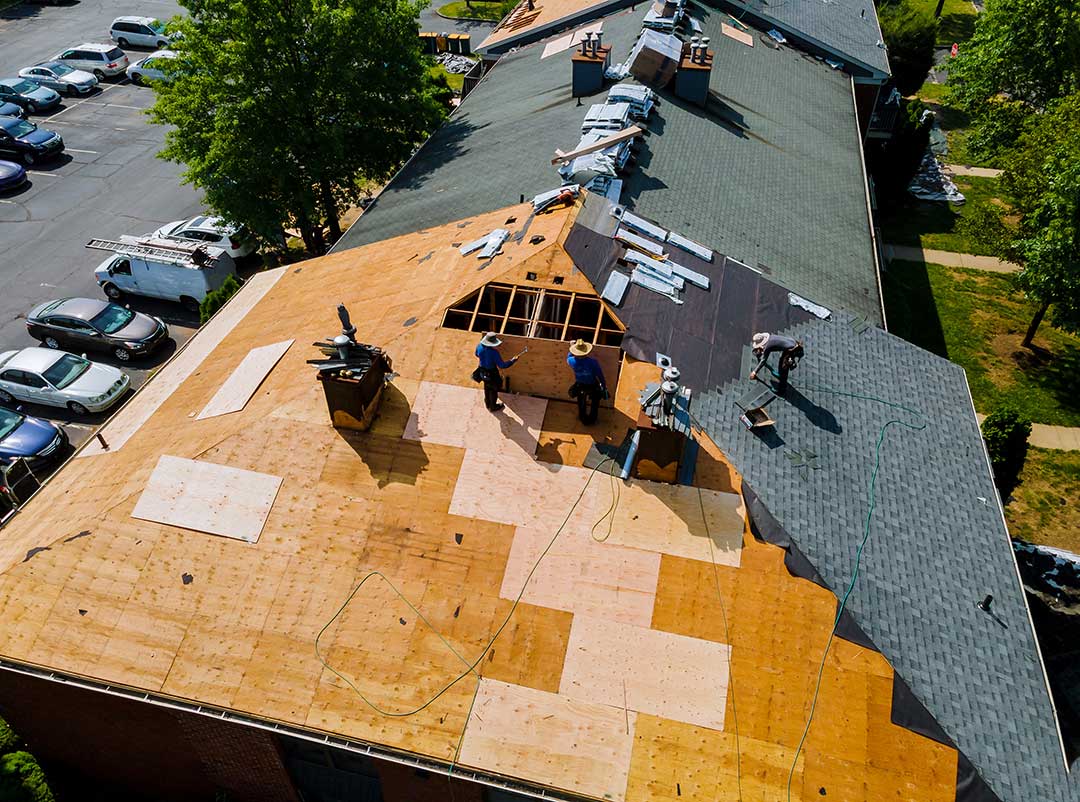
A ladder does not make roof work safe by itself. Moving from a ladder onto a roof introduces a separate fall hazard, especially where gutters, snow, ice, or unstable shingles are present.
What equipment is appropriate?
For ground-level maintenance, useful equipment may include:
- A soft-bristle brush or roof rake designed for the task
- Work gloves and eye protection
- Slip-resistant footwear for ground work
- A stable ladder only when access is necessary and conditions are suitable
- A tarp for collecting debris
- A garden hose with a gentle spray setting
- A bucket or container for gutter debris
- A properly labeled roof-cleaning solution
Respiratory protection may be appropriate when disturbing heavy mold, bird droppings, or large amounts of dried organic material. Avoid creating dust, and wash clothing separately if it becomes contaminated.
Do not improvise fall-protection equipment with ropes, belts, ladders tied to weak structures, or makeshift anchors. Fall-arrest systems require compatible equipment, proper installation, and a rescue plan.
When should roof cleaning stop?
Stop immediately if shingles begin breaking, granules are coming off in large amounts, water enters the attic, gutters pull away from the roof, or flashing moves. Stop also if wind carries chemicals or debris beyond the intended work area.
Roof cleaning should not be attempted from an icy roof, after a snowstorm, during freezing rain, or while wet conditions are making surfaces slick. In the local cold-weather cycle, a sunny afternoon may thaw one roof slope while another remains frozen.
If the roof is steep, high, fragile, heavily moss-covered, damaged, or difficult to reach safely, the risk is greater than the benefit of do-it-yourself cleaning. In those circumstances, qualified roofing personnel with appropriate fall-protection equipment are better suited to the work.
How can future buildup be reduced?
Keeping nearby tree limbs trimmed can reduce leaves, shade, and contact with the roof. Cleaning gutters during spring and fall helps control water overflow and allows runoff to move away from the roof edge.
After major storms, inspect the roof from the ground for displaced branches or visible damage. Do not wait for moss or algae to become thick before addressing it. Early, gentle cleaning is less likely to disturb shingles than aggressive removal after years of buildup.
A roof does not need to look perfectly new to be in sound condition. The goal is to remove damaging moisture and debris without sacrificing shingle granules, disturbing flashing, contaminating runoff, or creating a fall hazard.
