
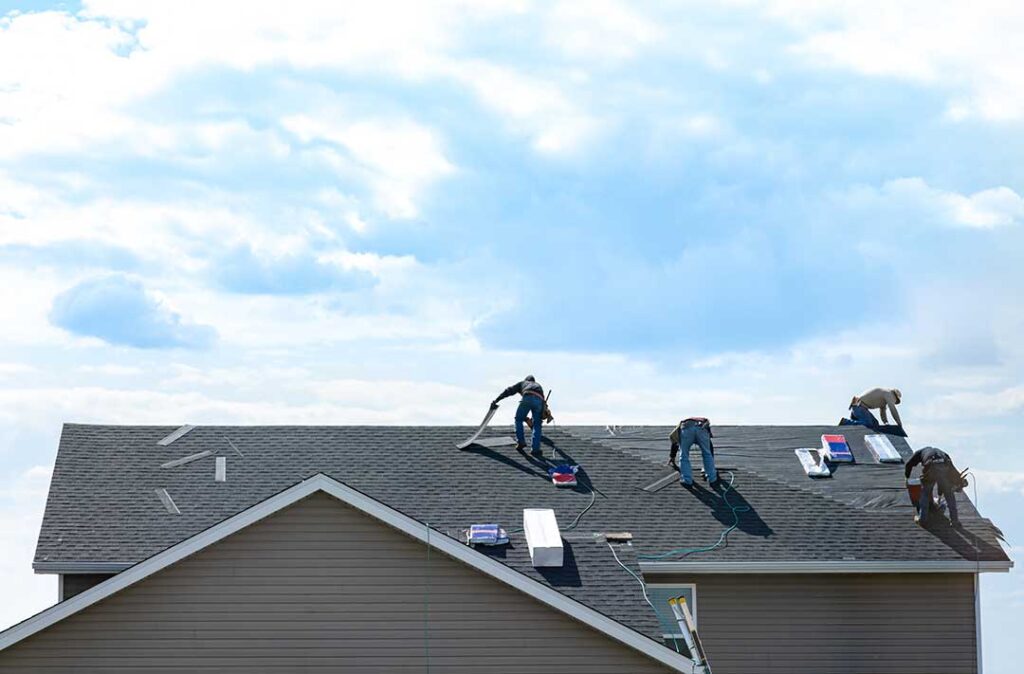
Preventive roof maintenance is less about making a roof look new and more about finding small problems before they become structural, interior, or financial problems. For homeowners in Greene, NY, regular attention can be especially valuable because roofs must handle snow, ice, freeze-thaw cycles, spring moisture, summer heat, wind, and falling branches over the course of a typical year.
A roof rarely fails all at once. More often, its condition declines through several small issues: a lifted shingle, a blocked gutter, a cracked flashing joint, or moisture entering around a vent. Preventive maintenance helps identify these weak points while repairs are still limited.
What does preventive roof maintenance include?
Preventive maintenance is a planned review of the roof and related drainage components, followed by minor corrections when needed. It is different from waiting until water appears on a ceiling.
A useful maintenance review may include:
- Looking for missing, curled, cracked, or loose shingles
- Checking roof edges, valleys, ridges, and penetrations
- Examining flashing around chimneys, vents, skylights, and wall intersections
- Clearing leaves, twigs, and other debris from roof surfaces and valleys
- Inspecting gutters, downspouts, and outlets for blockages or separation
- Looking for moss or organic growth that holds moisture against roofing materials
- Checking attic areas for damp insulation, staining, daylight, or musty odors
- Reviewing signs of poor ventilation or uneven snow melting
The purpose is not to make every roof perfect indefinitely. The purpose is to understand its condition, correct manageable problems, and plan for larger work before a failure becomes urgent.
Why is maintenance especially useful in Greene?
Seasonal weather creates repeated stress on roofing systems. Snow adds weight, while melting and refreezing can push moisture into small openings. Ice may form along eaves when warm attic air melts snow above colder roof edges. Wind can loosen aging shingles or expose vulnerable areas around flashing.
Spring brings wet conditions and debris from winter storms. Summer sunlight and heat can dry and weaken older materials. Autumn leaves can collect in valleys and gutters, where they retain moisture and slow drainage.
Homes with mature trees, complex roof shapes, additions, porches, dormers, or older construction may have more areas that deserve attention. Older homes can also contain roof details that were built under earlier construction practices, making drainage, ventilation, and flashing condition particularly important.
How does maintenance reduce long-term costs?
The financial value of maintenance comes from controlling the size of a problem. A minor defect may require a limited repair. If water remains undetected, it can affect roof decking, insulation, rafters, ceilings, trim, paint, and sometimes electrical components.
For example, a small opening near a plumbing vent may initially affect only the surrounding roof area. Over time, repeated wetting can soften the deck and stain the ceiling below. The cost is no longer limited to the roof covering.
Preventive work can also reduce the likelihood of emergency repairs during inconvenient weather. A roof that has been reviewed before winter is easier to manage than one discovered to have several weak areas during a snowstorm or prolonged rain.
Maintenance does not eliminate the need for eventual replacement. It can, however, help a roof reach the later part of its useful service life without avoidable damage.
Can roof maintenance extend the life of a roof?
Yes, maintenance can extend service life when the roof is fundamentally sound and problems are addressed promptly. It cannot reverse advanced deterioration, widespread material failure, or structural damage.
The largest benefits usually come from:
- Keeping water moving away from the building
- Repairing small openings before they spread
- Protecting flashing and roof edges
- Preventing debris from trapping moisture
- Maintaining effective attic ventilation and insulation
- Reducing repeated wetting and drying of roof components
A roof’s age alone does not determine whether maintenance is worthwhile. A relatively young roof with poor drainage may deteriorate faster than an older roof that has been kept clear, dry, and properly ventilated.
How often should a roof be checked?
A practical schedule is to review the roof at least once or twice each year, with additional checks after severe weather. Many homeowners find spring and fall useful times because these inspections bookend the snow and ice season.
Additional attention may be appropriate after:
- Strong winds or thunderstorms
- Heavy snow or rapid snowmelt
- A nearby tree limb falling
- Gutter overflow
- New ceiling stains or damp odors
- Visible granules collecting near downspouts
- Unusual patches of bare roof during snowy weather

A ground-level inspection can identify many warning signs, but climbing onto a roof carries fall and material-damage risks. Sloped, icy, wet, or fragile roofs should not be walked without appropriate safety equipment and knowledge.
What are the most commonly overlooked roof problems?
Gutters and flashing are often overlooked because they are not the main visible roof surface. Yet both can determine whether water reaches the building safely.
A gutter that is clogged or pitched incorrectly may overflow against fascia boards, siding, or foundations. A small separation at a flashing joint may allow water behind the roof covering even when the shingles appear intact.
Attic conditions are another important clue. Wet insulation, dark wood staining, peeling paint, or a persistent musty smell can indicate a ventilation or moisture problem. Not every attic stain represents an active leak, but it deserves investigation because old water damage and current water entry can look similar.
Roof valleys also deserve careful attention. They receive concentrated runoff and often collect leaves, pine needles, and ice. Damage in a valley may remain hidden until water begins entering the structure.
Does preventive maintenance affect home value?
A well-maintained roof supports the overall condition and usability of a home. It can help protect ceilings, walls, insulation, framing, and stored belongings from water damage. It also provides clearer information for future budgeting because homeowners are less likely to face unexpected deterioration.
Maintenance records, photographs, and notes about repairs can be useful when tracking a roof’s history. They help distinguish normal aging from sudden damage and make it easier to plan for replacement when the time comes.
Local building requirements may apply to roof replacement or roof recover work in Greene, so property owners should verify permit requirements before beginning regulated work. Maintenance that involves structural changes, extensive replacement, or hazardous conditions may also require compliance with applicable safety and building rules.
Which signs mean a roof problem should not wait?
Some symptoms deserve prompt attention:
- Water entering during or after rain
- Sagging roof lines or ceiling areas
- Widespread missing or displaced shingles
- Exposed roof decking or underlayment
- Large areas of moss holding moisture
- Damaged flashing around penetrations
- Ice buildup associated with interior leaks
- Snow or roof materials creating a falling hazard
Preventive maintenance is most valuable before these conditions develop. A roof does not need constant attention, but it does benefit from informed, seasonal observation. For area households, that modest habit can protect both the building and the long-term budget by replacing surprise damage with gradual, manageable planning.
