
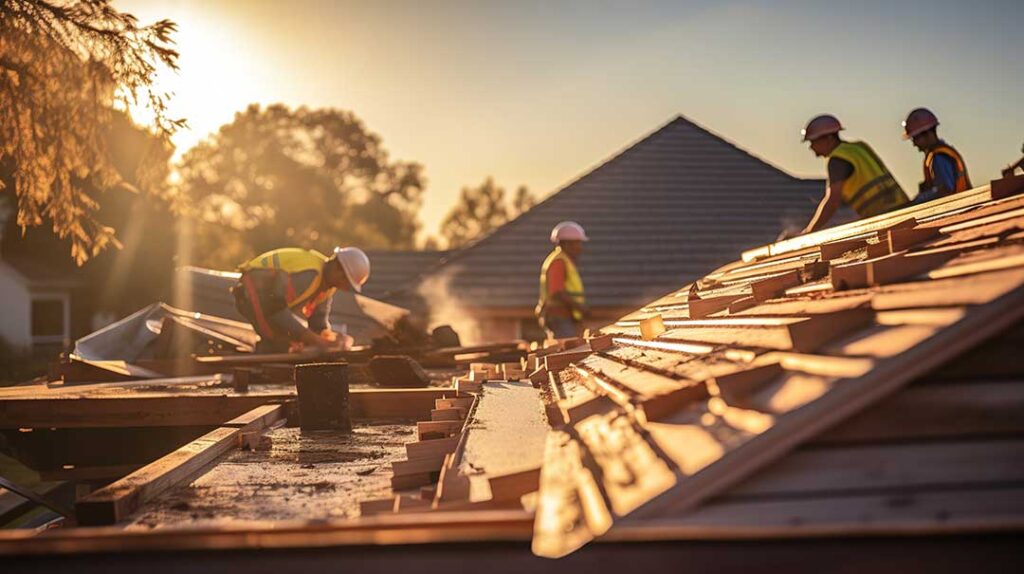
A cool roof is designed to reflect more sunlight and absorb less heat than a conventional roof. During sunny weather, this can keep the roof surface and upper parts of a home cooler, reduce indoor heat gain, and improve comfort.
For residents of Greene, NY, the value of a cool roof depends on more than roof color. The roof’s material, slope, insulation, ventilation, attic design, exposure to sunlight, and year-round heating and cooling habits all affect the results.
What makes a roof “cool”?
A cool roof has a surface with strong solar reflectance and thermal emittance. Solar reflectance describes how much sunlight the roof reflects rather than absorbs. Thermal emittance describes how effectively the surface releases the heat it does absorb.
Light-colored roofing often reflects more sunlight than dark roofing, but color alone does not tell the whole story. Some specially finished metal, membrane, coated, and shingle products are designed to perform well even when they are not bright white.
A cool roof may be used on:
- Sloped residential roofs
- Low-slope additions and garages
- Porches and outbuildings
- Flat or low-slope commercial-style roof sections
- Roofs being replaced or resurfaced
The roof must still be properly installed, drained, flashed, and maintained. Reflective performance cannot compensate for leaks, poor ventilation, damaged decking, or inadequate insulation.
Can a cool roof reduce summer heat indoors?
Yes. A reflective roof absorbs less solar energy, so less heat moves through the roof assembly into the attic and living space. The effect is most noticeable on sunny summer afternoons, especially in homes with dark roofing, limited attic insulation, or rooms directly below the roof.
Potential benefits include:
- Lower attic temperatures
- Less heat transfer into upper floors
- Improved comfort in bedrooms and finished attic areas
- Reduced demand on air-conditioning equipment
- Less severe temperature buildup during short heat waves
The savings will not be the same in every home. If a house has excellent insulation, shade from mature trees, efficient air sealing, or limited air-conditioning use, the measurable energy savings may be modest. A cool roof is one part of a building system rather than a substitute for insulation and ventilation.
How can cool roofs affect energy bills?
Cool roofs primarily reduce cooling demand. When the roof stays cooler, air-conditioning equipment may run less often or for shorter periods during hot, sunny weather.
The greatest benefit is usually found in buildings that:
- Have air-conditioned upper floors
- Receive strong afternoon sun
- Have large roof areas
- Use dark roofing materials
- Have occupied rooms near the roof
- Experience noticeable summer attic heat
In Greene, heating is also a major household concern. A reflective roof may allow slightly more solar heat to escape during colder sunny periods than a dark roof. That winter effect is real, but it is often limited by shorter winter days, lower sun angles, snow cover, insulation, and the relatively short cooling season.
For that reason, a cool roof should be evaluated across the entire year rather than judged only by summer performance. Improving attic insulation and air sealing can help reduce both summer heat gain and winter heat loss.
Do cool roofs make sense in a cold, snowy climate?
They can, but the answer depends on the building. Cool roofs are generally most valuable in hot climates, yet they can still improve comfort and reduce summer cooling needs in areas with cold winters.
Snow also changes the calculation. A layer of snow already reflects much of the sun’s energy, so the roof’s reflective coating has less influence while snow remains in place. During snow-free periods, however, the roof can still absorb substantial solar heat.
A cool roof may be worth considering when:
- The building becomes uncomfortably hot in summer
- Air conditioning is used regularly
- The roof is already due for replacement
- A low-slope roof has a large sun-exposed area
- The upper floor has limited insulation
- The household wants to reduce peak summer electricity use
It may be less useful when the roof is heavily shaded, the home has little cooling demand, or the main concern is winter heating loss.
Can a cool roof extend roof life?
A cooler roof surface may experience less thermal expansion, ultraviolet exposure, and heat-related aging. Repeated heating and cooling can cause some roofing materials to expand and contract, which may contribute to surface wear over time.
That does not mean every cool roof will last longer than every dark roof. Service life also depends on:
- Material quality
- Installation details
- Roof slope and drainage
- Ice, wind, and snow exposure
- Foot traffic
- Moisture trapped beneath the roof
- Maintenance and repairs
- The condition of the roof deck
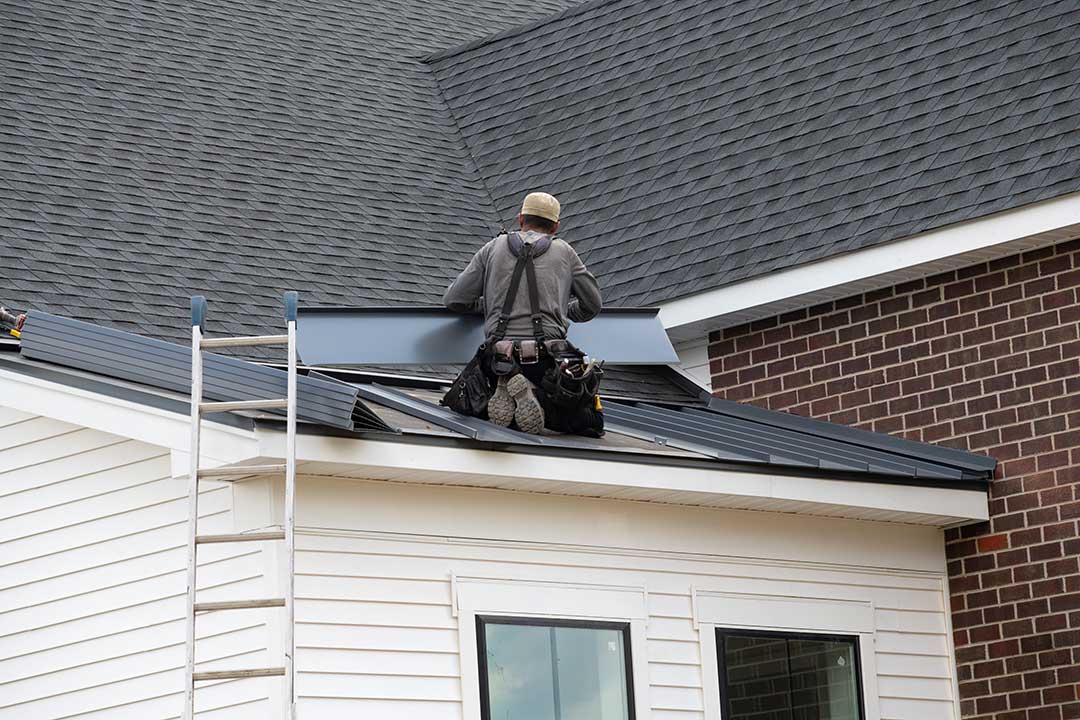
A reflective coating applied over an aging roof is not automatically a long-term solution. Coatings require a suitable, stable surface and may not correct leaks, rot, loose materials, or inadequate drainage.
What roofing materials can provide cool-roof benefits?
Cool-roof performance is available in several roofing systems. Options may include reflective metal finishes, light-colored shingles, reflective membranes, coated low-slope roofing, and specialized roof coatings.
The right choice depends on the roof’s design. Steep residential roofs and low-slope roof sections have different drainage, flashing, snow, and installation requirements. A material suitable for a nearly flat roof may not be appropriate for a steep roof, and a coating designed for one roofing surface may not bond properly to another.
Product ratings can be useful because they provide information about reflectance and emittance rather than relying only on appearance. It is also wise to consider how quickly a surface becomes dirty. Dust, pollen, biological growth, and weathering can reduce reflectivity over time.
Are there drawbacks to cool roofs?
The main limitation is that energy savings vary widely. A cool roof may have a higher initial cost than a standard option, especially when specialized finishes or coatings are involved. The added cost may be harder to justify if the building has little air-conditioning use.
Appearance can also be a consideration. A brighter or more reflective roof may look different from neighboring homes or from the original roof design. Some communities, housing agreements, or historic settings may have appearance requirements, so local rules should be checked before changing roofing materials.
A cool roof also cannot solve problems caused by:
- Poor attic insulation
- Blocked soffit or ridge ventilation
- Air leaks around ceiling fixtures
- Inadequate bathroom or kitchen exhaust
- Damaged flashing
- Ice-dam conditions
- Standing water on a low-slope roof
These issues need to be evaluated separately.
What should homeowners consider before choosing one?
The best time to consider cool-roof features is often during planned roof replacement, resurfacing, or construction. Replacing a sound roof solely for energy savings may have a long payback period, particularly in a home with limited cooling demand.
Before making a decision, consider:
- How hot the attic and upper rooms become in summer
- Whether the home uses central or room air conditioning
- The roof’s age and remaining service life
- Insulation levels and attic ventilation
- The amount of direct sun the roof receives
- Snow and ice management concerns
- Expected maintenance requirements
- The roof material’s appearance and durability
- Whether the roof is steep-slope or low-slope
Safety matters as well. Roof surfaces can be slippery, and snow, ice, steep slopes, and deteriorated materials create fall hazards. Inspection or repair work under those conditions should not be treated as a routine do-it-yourself task.
A cool roof can be a practical part of a more efficient home, especially when combined with sound insulation, air sealing, ventilation, and moisture control. For many households in Greene, its greatest advantage is not a dramatic year-round temperature change, but a cooler upper floor and lower heat buildup during the sunny summer periods when the roof is working hardest.
