
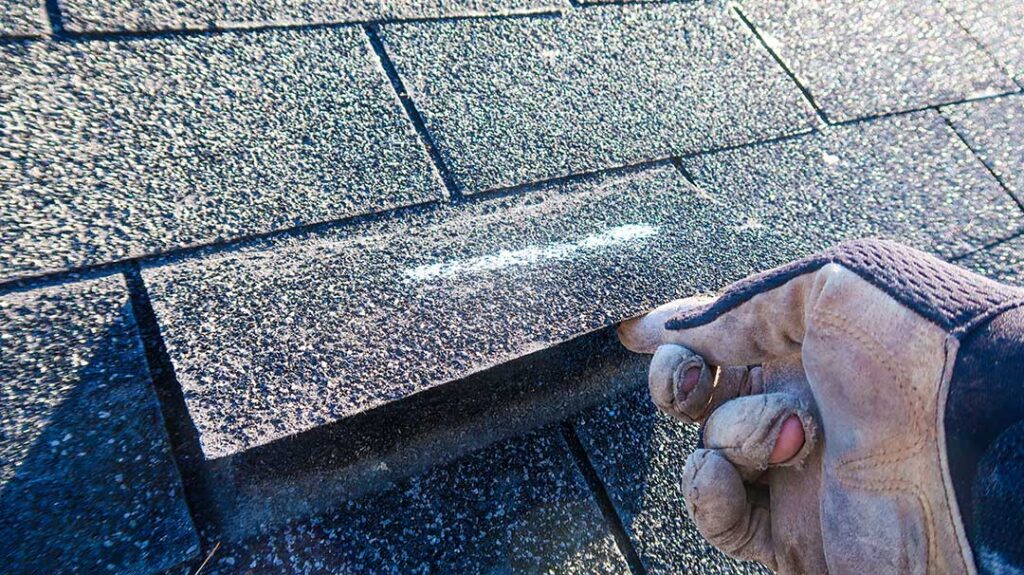
A professional roof inspection is a structured evaluation of a roof’s condition, drainage, ventilation, flashing, and related components. For homeowners in Greene, NY, the process is especially useful after heavy snow, strong wind, ice buildup, prolonged rain, or any interior sign of moisture.
An inspection does not automatically mean the roof needs replacement. Its purpose is to identify current problems, estimate how urgently they should be addressed, and document conditions that may become more serious if ignored.
What happens before the inspection?
The process usually begins with a brief discussion about the home and any concerns noticed by the occupants. Useful information may include:
- The approximate age of the roof
- Recent leaks or ceiling stains
- Missing, lifted, or damaged shingles
- History of ice dams or winter water entry
- Recent storms or fallen branches
- Previous repairs or roof maintenance
- Changes in attic temperature, moisture, or odor
Photos, repair records, and notes about when a problem appeared can help the inspector understand whether an issue is new, recurring, or seasonal.
The inspector may also ask whether certain areas of the home have been difficult to access. A roof inspection is more complete when the roof surface, attic, gutters, and visible interior areas can all be reviewed safely.
Is the roof inspected from the ground or from the roof surface?
A thorough inspection commonly includes both ground-level observation and a closer review of the roof surface when conditions allow. Looking from the ground can reveal overall roof lines, sagging, uneven areas, missing shingles, damaged metal, and problems with drainage.
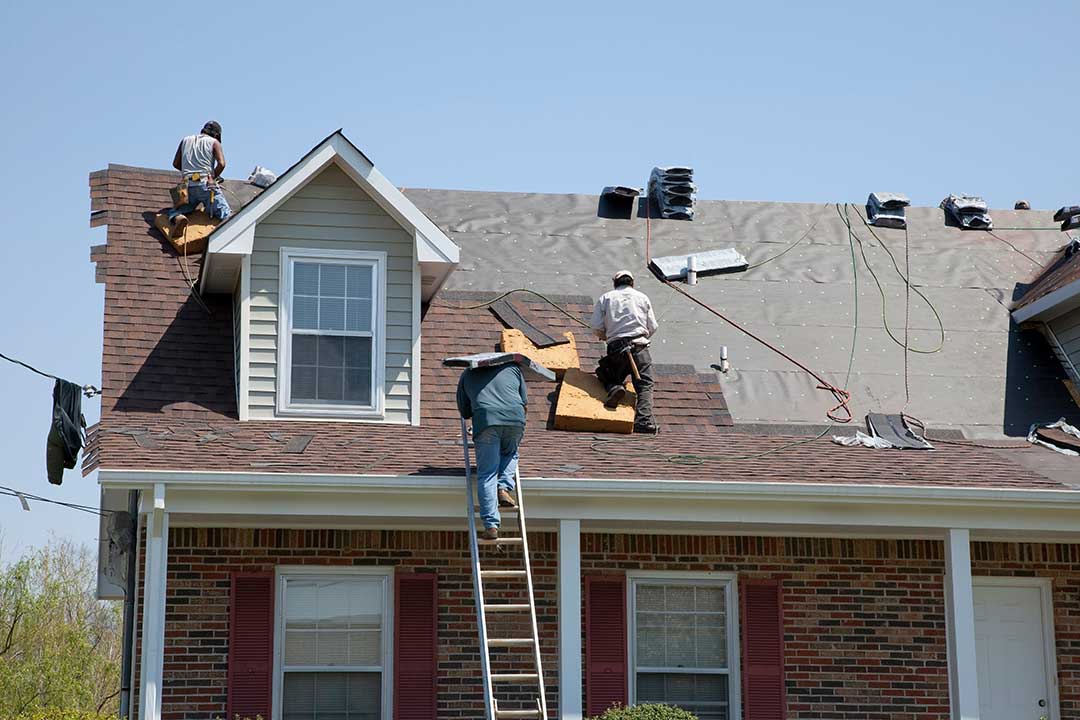
A closer inspection may involve walking the roof, using a ladder, or examining the surface from a safe position. The method depends on roof pitch, height, surface condition, weather, and the inspector’s assessment of safety. Steep, icy, wet, brittle, or heavily moss-covered roofs may not be safe to walk.
A roof should not be judged solely by its appearance from the driveway. Some defects are visible only near penetrations, valleys, edges, flashing, or areas where roofing materials meet walls and chimneys.
What parts of the roof are examined?
The roof covering is only one part of the system. A professional inspection typically considers several connected areas.
Shingles or other roof coverings
The inspector looks for:
- Cracked, curled, blistered, loose, or missing shingles
- Exposed fasteners
- Granule loss
- Wind-related lifting
- Discoloration or uneven wear
- Punctures and damage from branches
- Areas where repairs do not match or have failed
On older roofs, normal aging may appear across broad sections. Isolated damage may be repairable, while widespread deterioration can indicate that the roof is nearing the end of its useful service life.
Flashing and roof penetrations
Flashing helps direct water away from vulnerable transitions. Common inspection points include plumbing vents, chimneys, skylights, roof-to-wall connections, valleys, and edges around dormers or additions.
Inspectors check for rust, gaps, loose sections, deteriorated sealant, improper installation, and signs that water has moved beneath the roof covering. Small flashing defects can cause interior damage even when the surrounding shingles appear to be in acceptable condition.
Gutters, downspouts, and drainage
Water must leave the roof efficiently. The inspection may note clogged gutters, sagging sections, loose fasteners, damaged downspouts, or discharge that places water too close to the foundation.
In Greene, seasonal leaves, snow, freezing temperatures, and repeated freeze-thaw cycles can make drainage problems more noticeable. Ice buildup at the eaves can also contribute to water entry when attic insulation and ventilation are not working properly.
Roof structure
Visible signs of sagging, deflection, soft areas, or uneven roof planes may indicate concerns involving the decking, framing, or long-term moisture exposure. These conditions require more attention than ordinary surface wear because they may affect the roof’s ability to carry loads.
Snow is not automatically a structural problem, but heavy accumulation can add stress to a roof that already has weaknesses. An inspection after winter weather may help identify whether movement or sagging has developed.
Why is the attic inspected?
The attic often reveals problems that cannot be seen from above. An inspector may look for damp insulation, water stains, mold-like growth, rusted fasteners, daylight through the roof deck, and damaged or softened wood.
The attic is also checked for ventilation patterns. Inadequate ventilation can contribute to excessive heat and moisture, while air leakage from the living space can create condensation during cold weather. These conditions may shorten the life of roofing materials and contribute to staining or deterioration.
A roof leak does not always appear directly below the point where water enters. Water can travel along rafters, decking, insulation, or framing before becoming visible inside the home. This is why a ceiling stain alone may not identify the exact source.
Are the ceilings and interior walls checked?
Many inspections include a review of visible ceilings, upper walls, and areas near roof penetrations. The inspector may look for yellow or brown staining, peeling paint, bubbling surfaces, damp materials, or recurring patches.
Interior evidence is useful, but it does not always prove that the roof is currently leaking. Stains can remain after an old leak has stopped, and condensation or plumbing problems can create similar marks. The inspection should compare indoor observations with exterior and attic findings.
Homeowners may be asked whether stains become worse during rain, snowmelt, wind, or particular seasons. That timing can help distinguish between different sources of moisture.
What does the inspection report usually include?
A useful report explains observed conditions in clear language and separates urgent concerns from routine maintenance. It may include photographs, notes about accessible and inaccessible areas, and recommendations for additional evaluation where necessary.
Typical findings may be grouped into categories such as:
- Immediate concern: Active leaking, major structural movement, exposed areas, or conditions that could allow rapid water entry
- Repair recommended: Localized flashing, shingle, ventilation, or drainage problems
- Maintenance item: Debris, minor sealant deterioration, or gutter cleaning needs
- Monitor: Aging or developing conditions that do not yet require immediate work
- Further evaluation: Areas hidden beneath materials or conditions that require another trade or specialized testing
The report should also distinguish between visible evidence and assumptions. An inspector may identify likely moisture entry without being able to confirm concealed damage unless materials are opened.
How long does a roof inspection take?
The time varies with the size and design of the home, roof complexity, weather, accessibility, and whether the attic and interior are included. A simple roof may be reviewed relatively quickly, while a roof with multiple slopes, additions, dormers, chimneys, or difficult access points requires more time.
Weather affects both safety and accuracy. Wet surfaces, high winds, snow, ice, and poor visibility may limit the inspection or require certain areas to be reviewed later. A roof inspection should never involve unsafe climbing merely to complete a checklist.
What should homeowners do before the inspection?
A few practical steps can make the evaluation more useful:
- Clear a safe path to the attic access point.
- Move fragile items away from visible ceiling stains.
- Note when leaks or stains appear.
- Keep records of previous repairs available.
- Identify rooms where drafts, odors, or moisture have been noticed.
- Avoid placing new sealant over a suspected leak before the source is examined.
- Mention any recent storm, tree contact, or unusual winter conditions.
Homeowners should also understand that an inspection is a snapshot in time. A roof that appears dry on a clear day may still have a defect that becomes active during wind-driven rain or rapid snowmelt.
When is a professional inspection especially appropriate?
An inspection is particularly useful after a significant storm, before buying or selling a home, following a suspected leak, after a tree branch strikes the roof, or when the roof is approaching the age range commonly associated with increased maintenance.
Professional evaluation is also appropriate when the roof is steep, high, fragile, icy, or otherwise hazardous to access. Attempting to inspect or repair these conditions without proper equipment can create serious fall and electrical risks.
The most useful outcome is not simply a label such as “good” or “bad.” A quality inspection explains what was observed, what may be causing it, how urgent the issue appears, and which conditions should be monitored as the seasons change.
