
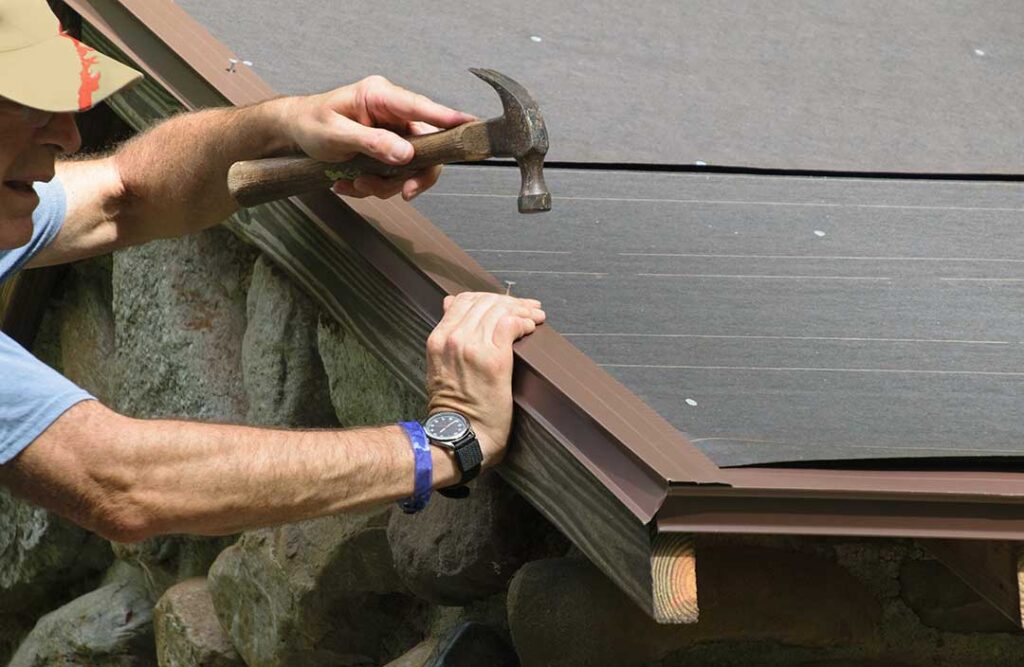
Why weather has such a strong effect on roofs
Weather affects a roof through repeated cycles of moisture, temperature change, wind, sunlight, and ice. A single storm may cause visible damage, but long-term deterioration often develops gradually as materials expand, contract, absorb water, dry out, and respond to changing conditions.
For households in Greene, NY, the roof must handle a wide range of seasonal stress. Cold winters, snow, freezing rain, summer heat, heavy rainfall, and occasional strong winds can affect shingles, flashing, gutters, ventilation, and the roof structure beneath the outer covering.
Understanding how each condition works makes it easier to recognize problems before they spread into ceilings, walls, insulation, or framing.
How winter cold affects roofing materials
Freezing temperatures can make roofing materials less flexible and more vulnerable to cracking. Asphalt shingles may become brittle during prolonged cold weather, especially if they are already aged or weakened by earlier sun exposure.
The most significant winter problem is often the freeze-thaw cycle. Water enters a small opening, crack, or exposed seam, then expands as it freezes. When temperatures rise, the ice melts, leaving the opening slightly larger or allowing more water to enter. Repeated cycles can loosen materials and worsen minor defects.
Cold weather can also affect:
- Shingle tabs that are already lifting or curling
- Seal strips that have not bonded properly
- Metal flashing around chimneys, roof edges, and penetrations
- Caulk or sealant that has hardened or separated
- Older roof coverings with reduced flexibility
A roof does not need to collapse or lose large sections of shingles to be affected by winter. Small openings around flashing and roof penetrations may allow water into the building even when the roof surface appears mostly intact.
What snow and ice can do to a roof
Snow is not automatically dangerous, but its weight increases as snow accumulates, compacts, or becomes wet. A layer of wet snow weighs considerably more than light, freshly fallen snow. The effect is greater on roofs with low slopes, broad spans, or areas where drifting occurs.
Signs of excessive snow-related stress may include:
- New cracks in ceilings or walls
- Doors that begin sticking
- Unusual creaking or popping sounds
- Sagging roof lines or interior ceilings
- Roof drainage areas blocked by packed snow
Ice dams create a different type of risk. They form when heat escapes through the upper part of a roof and melts snow. Water flows toward colder eaves, where it refreezes. The resulting ice can block drainage and cause meltwater to move beneath shingles or behind exterior materials.
Proper attic insulation, air sealing, and ventilation help limit uneven roof temperatures. However, these systems must work together. Ventilation alone cannot correct major heat loss from the living space, and adding insulation without maintaining appropriate airflow can create other moisture problems.
Snow and ice should not be removed from a roof by climbing onto slippery surfaces or using sharp tools. The risk of falling or damaging the roof can be greater than the benefit of removing a small amount of snow.
How rain finds weak points
Rain usually enters through the roof’s weakest details rather than through the middle of an undamaged shingle field. Common entry points include flashing joints, valleys, roof penetrations, ridge areas, skylight edges, and places where roofing materials meet walls.
Heavy rain can expose problems that remain hidden during dry weather. Water may travel along rafters, roof decking, insulation, or framing before appearing as a stain indoors. The location of an interior stain does not always identify the exact point where water entered.
After a major rainstorm, useful observations include:
- Damp or discolored ceiling areas
- Peeling paint near upper walls
- Musty odors in attics or upper rooms
- Wet insulation
- Dripping around attic penetrations
- Gutters that overflow despite appearing intact
A roof can continue to shed water during light rain while still leaking during longer or heavier storms. Intermittent leaks are often associated with flashing, wind-driven rain, clogged drainage, or small openings that only become active under certain conditions.
How wind causes roof damage
Wind can lift shingle edges, loosen flashing, damage ridge caps, and drive rain beneath overlapping materials. The roof perimeter, corners, ridges, and areas around vents are often more exposed than the central roof surface.
Wind damage may be difficult to see from the ground. A shingle can remain in place while its seal has been broken or its edge has lifted. Small amounts of movement can allow future wind and water to worsen the condition.
After strong winds, look for:
- Missing or displaced shingles
- Shingle pieces in the yard or near downspouts
- Exposed underlayment or roof decking
- Bent metal flashing
- Loose vent covers
- Branches or other debris resting on the roof
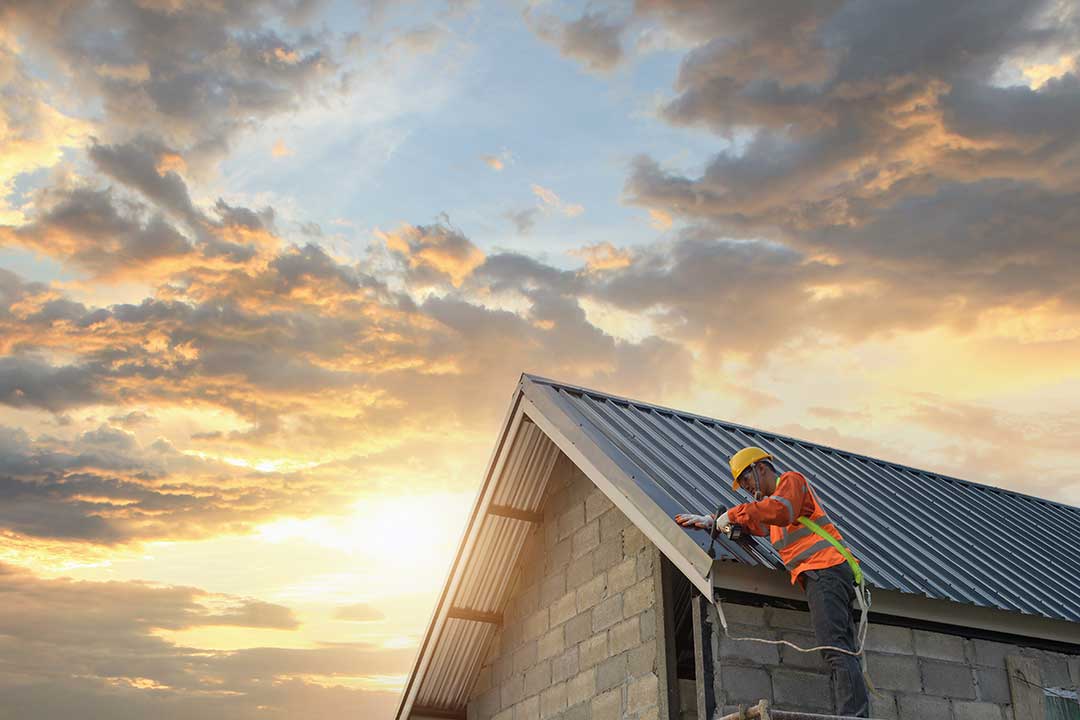
Trees near a home create additional weather-related concerns. Branches can scrape protective granules from shingles, strike the roof during storms, or drop leaves and twigs into drainage systems. Overhanging branches may also keep roof sections damp longer by limiting sunlight and airflow.
How summer heat and sunlight age a roof
Ultraviolet radiation gradually breaks down roofing materials. Prolonged sunlight can dry and weaken asphalt, fade surfaces, and reduce flexibility. Dark roof areas may become much hotter than the surrounding air, especially when attic ventilation is limited.
Heat-related wear may appear as:
- Curling or cracking shingles
- Blistering or loss of surface granules
- Deteriorated rubber seals around vents
- Failing sealant
- Excessive attic heat
- Higher indoor temperatures near the upper floor
Heat does not damage every roof at the same rate. Roof age, color, ventilation, moisture exposure, installation quality, and the presence of nearby shade all influence how quickly materials change.
A roof that looks acceptable after winter may reveal loosened granules, cracked sealant, or weakened flashing during summer inspection. Seasonal changes often expose different types of defects.
Why gutters and drainage matter
A roof depends on effective drainage. Gutters, downspouts, valleys, and roof edges direct water away from the building. If leaves, ice, sediment, or shingle granules block that path, water may back up beneath roofing materials or collect near the foundation.
Poor drainage can contribute to:
- Rot at roof edges and fascia
- Water stains beneath eaves
- Overflow onto siding
- Basement or foundation moisture
- Ice formation during freezing weather
- Soil erosion near downspout outlets
Gutters should be observed during rainfall when possible. Water spilling over one section, sagging gutters, or disconnected downspouts may indicate that the drainage system is not handling runoff properly.
Which roof problems require prompt attention?
Active water entry, structural sagging, exposed decking, large areas of missing roofing, and damaged electrical components near a leak deserve prompt attention. Interior water should be contained safely, but people should avoid climbing onto a wet, icy, or visibly unstable roof.
Some conditions can wait for a planned inspection, such as minor surface aging or a small amount of loose granules. Others can worsen quickly, particularly open penetrations, damaged flashing, and leaks that continue through multiple storms.
Roof maintenance is most useful when it accounts for the full weather cycle rather than focusing only on one season. Checking drainage before heavy rain, watching for wind damage after storms, and looking for moisture or ice-related problems after winter can reveal issues while repairs are still limited in scope.
For area households, weather-related roof care is less about reacting to one dramatic event and more about noticing how repeated exposure changes the roof over time.
