
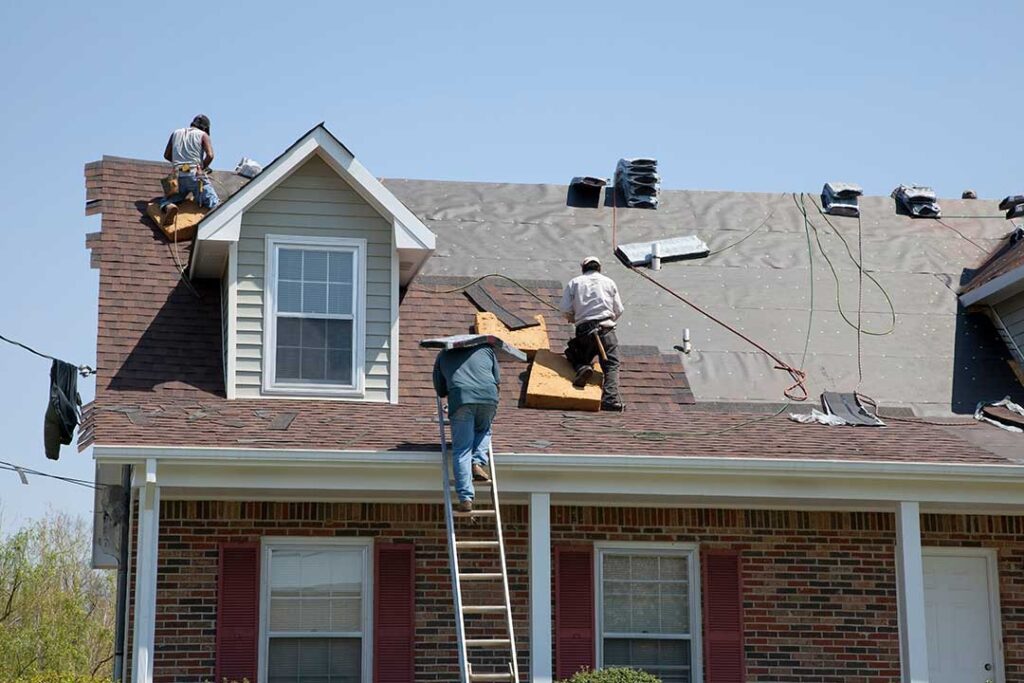
Replacing only part of a roof can be practical, but matching the new shingles to the existing roof is rarely as simple as choosing the same color from a sample card. Age, weather exposure, manufacturing changes, and installation patterns all affect how well replacement shingles blend in.
For homeowners in Greene, NY, the goal is usually not to make one repaired area look brand new. The goal is to create a sound repair that is reasonably consistent with the rest of the roof and does not introduce new drainage or weatherproofing problems.
What information is needed to identify the existing shingles?
The most useful clues are the shingle manufacturer, product line, color name, style, and approximate installation date. These details may be found on leftover bundles, old invoices, warranty paperwork, building records, or notes kept by a previous owner.
If no records are available, examine the shingles closely. Look for:
- The number of layers or tabs visible along the lower edge
- The shape and size of each shingle exposure
- Color variation within each individual shingle
- The texture and thickness of the material
- Any printed markings on the back of a loose or damaged shingle
- The pattern created by the offset between courses
A clear photograph taken in natural daylight can help compare samples, but photographs often distort color. A small loose piece from the roof is more useful than a picture alone. It should be removed only if doing so can be done safely without creating a leak.
Why is an exact match often impossible?
Asphalt shingles change appearance over time. Sunlight gradually fades exposed surfaces, while shaded roof sections may retain deeper color. Dirt, pollen, algae, moss, soot, and airborne particles can also make the same product look different from one roof slope to another.
Manufacturers may discontinue colors or revise product designs. A shingle labeled with the same general color name may have a different blend of granules several years later. Even when the product line remains available, the new shingles may appear darker, brighter, or more sharply defined than the weathered shingles around them.
Roof orientation matters as well. A south- or west-facing slope may age differently from a north-facing slope. A replacement installed on a shaded rear slope may blend reasonably well, while the same replacement on a highly exposed front slope could stand out.
For these reasons, “same color” does not necessarily mean “same appearance.”
How should shingle color be compared?
Color should be compared outdoors, not under indoor lighting. Place a sample next to several existing shingles and look at it during more than one part of the day. Morning shade, midday sun, and overcast conditions can produce noticeably different impressions.
Do not compare only one old shingle. Existing roofs often contain natural variation, especially if they use architectural shingles with multiple granule tones. A new piece that seems too dark beside one shingle may look acceptable when viewed against the broader roof area.
It also helps to compare the repaired section from ground level. A sample that appears slightly different up close may be less noticeable from the yard or street. Conversely, a strong pattern or line may become more obvious when viewed from a distance.
Does the shingle style matter as much as the color?
Yes. A close color match will not look right if the replacement has a different profile or exposure.
Common differences include:
- Three-tab versus laminated architectural shingles
- Different shingle dimensions
- Different cutouts, slots, or butt-edge shapes
- Different thickness and shadow lines
- Different installation offsets
- Different granule patterns
The replacement should be compatible with the existing roof’s design and installation method. Mixing styles can create visible lines, uneven butt edges, or areas that do not shed water in the same way.
Matching the shingle’s dimensions is particularly important. If the exposure does not align with neighboring courses, the repair may look irregular and may interfere with the way water runs down the roof.
Can shingles from a different manufacturer be used?
Sometimes, but compatibility should not be assumed. Shingles from different manufacturers may have different dimensions, fastening zones, sealant strips, flexibility, and installation requirements.
A substitute may be physically similar but still fail to align properly with the surrounding courses. It may also have a different wind-resistance rating or require a different nailing pattern.
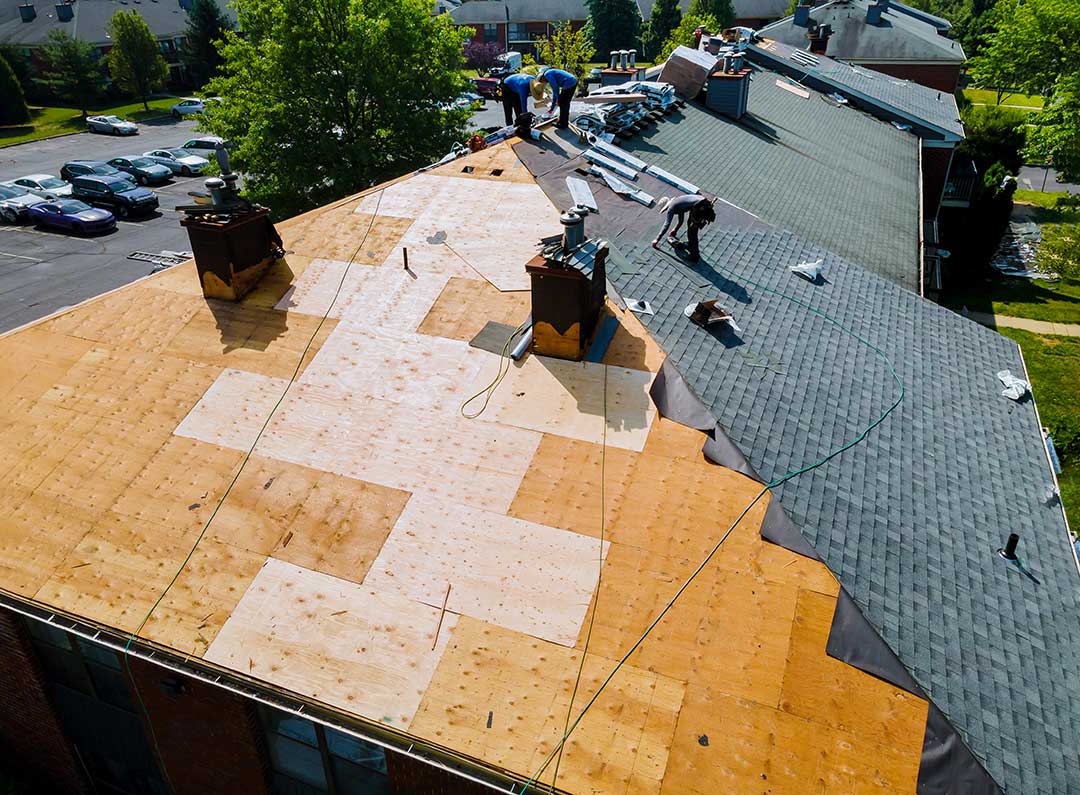
The best match is generally the same product line and color. If that is unavailable, the substitute should match the original as closely as possible in size, profile, thickness, exposure, and installation requirements—not just color.
Should replacement shingles be installed on only one section?
A limited repair can make sense when damage is isolated and the surrounding shingles remain flexible, firmly attached, and in serviceable condition. It may be less practical when the roof is brittle, heavily weathered, or damaged across multiple areas.
Older shingles can crack when lifted because the asphalt sealant has hardened. The tabs may also break around nails, making it difficult to remove damaged pieces without affecting nearby shingles.
A small repair should also account for the condition of nearby flashing, underlayment, vents, and roof decking. Replacing visible shingles without addressing a failed flashing detail may leave the underlying leak unresolved.
What roof conditions are especially relevant in Greene?
Roofs in Greene must handle seasonal changes that can include snow, ice, freezing temperatures, rain, wind, and repeated freeze-thaw cycles. Water can enter small cracks and expand as it freezes, while ice at eaves can contribute to backup beneath shingles when drainage and underlayment details are inadequate.
Branches, wind-driven debris, and occasional heavy weather can damage individual shingles. Spring and fall are useful times to inspect for lifted edges, missing granules, exposed fasteners, and darkened areas that may indicate moisture.
The roof’s age should be considered along with its appearance. A repair made with new shingles may be structurally sound but visually noticeable if the existing roof has been exposed for many years.
Are there code or installation concerns?
Roof replacement and reroofing work must follow the applicable New York State residential building requirements, including rules concerning roof coverings, underlayment, flashing, structural capacity, and weather protection. Requirements can change as code editions are updated.
The existing roof assembly also matters. Adding a new layer over deteriorated materials, covering damaged decking, or overlooking inadequate edge and valley details can create problems that a shingle color match cannot solve.
Work near steep slopes, fragile shingles, roof edges, electrical equipment, or icy surfaces presents a fall hazard. Inspection from the ground or from a secure, properly supported location is safer than walking on an unfamiliar roof.
What is the most practical way to choose a replacement?
Start by documenting the existing roof before purchasing materials. Record the approximate age, shingle style, color, roof slope, and location of the damaged area. Save any remaining pieces or packaging.
Then compare potential replacements by:
- Product style and dimensions
- Exposure and course alignment
- Color blend under outdoor lighting
- Thickness and surface texture
- Manufacturer installation instructions
- Compatibility with the roof’s current condition
A perfect visual match may not be possible, especially on an older roof. A sound repair with compatible materials, correct fastening, and proper water-shedding details is more important than a color match alone.
